MIRI's Technical Governance Team proposed an international agreement requiring AI chip clusters with 16+ H100 GPU equivalents to register with a US-China-led coalition for safety oversight.
Summaries like this, in your inbox every morning.
Pick your industry and the AI tools you use, and get news related to your work every day.
Free · 30 seconds with Google · unsubscribe anytimeWhat is AIToday? →
Ask AI anything about this article. The AI reads this article, earlier AIToday articles, and Wikipedia, and cites its sources. Q&As are published on this page for other readers too.
Taiwan is considering much stricter export controls on AI chip sales to China, part of a greater alignment wit…

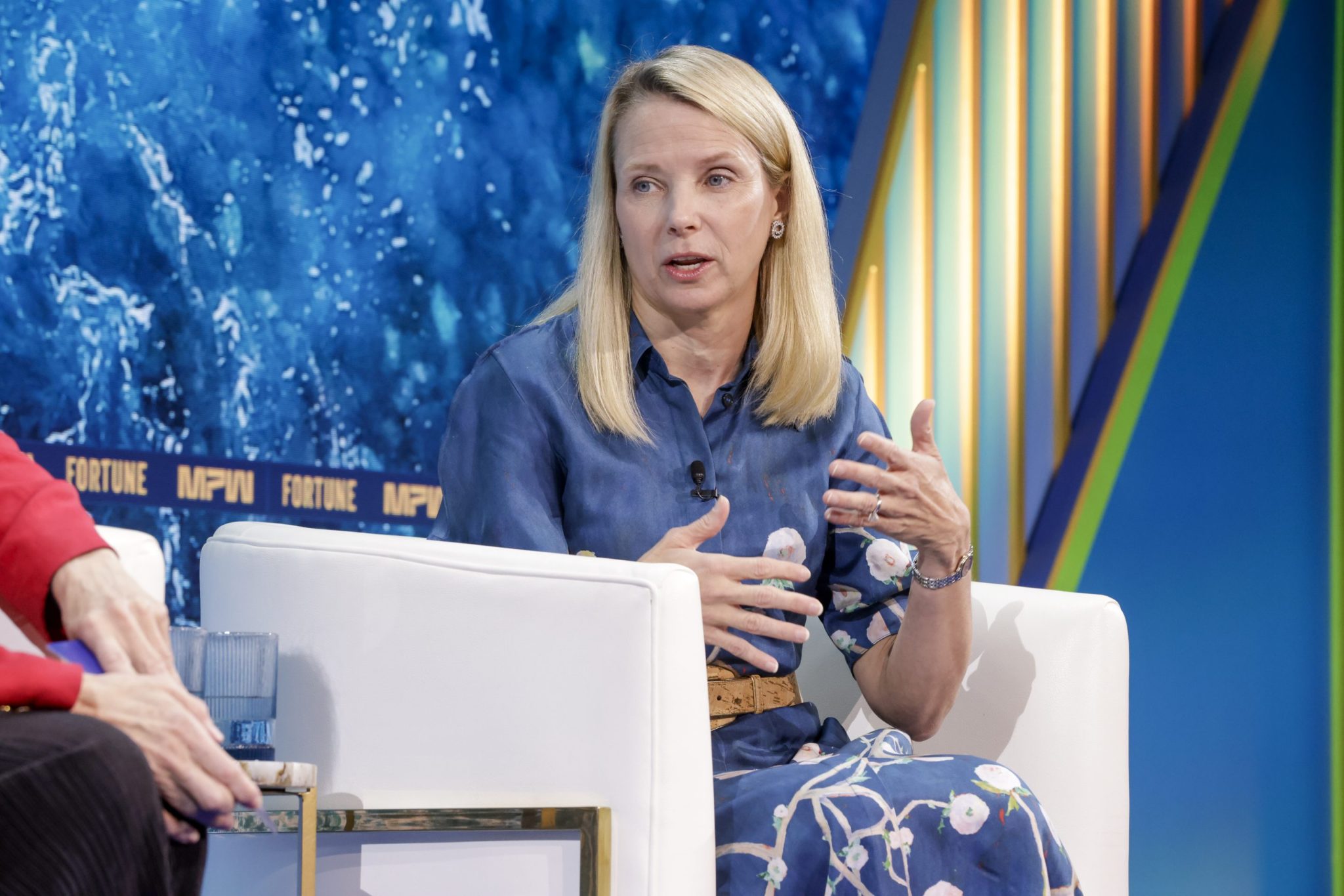
At the Most Powerful Women Summit, Marissa Mayer said anyone who claims to know how AI will play out is 'eithe…
SHIFT announced it began a project for the Acquisition, Technology & Logistics Agency (防衛装備庁) covering AI-rela…

After its first meeting Thursday, the White House AI task force formally adopted its charter, opening a 120-da…
Anthropic's Claude Haiku 4.5, while testing on randomly selected webpages, submitted a false murder tip to Phi…

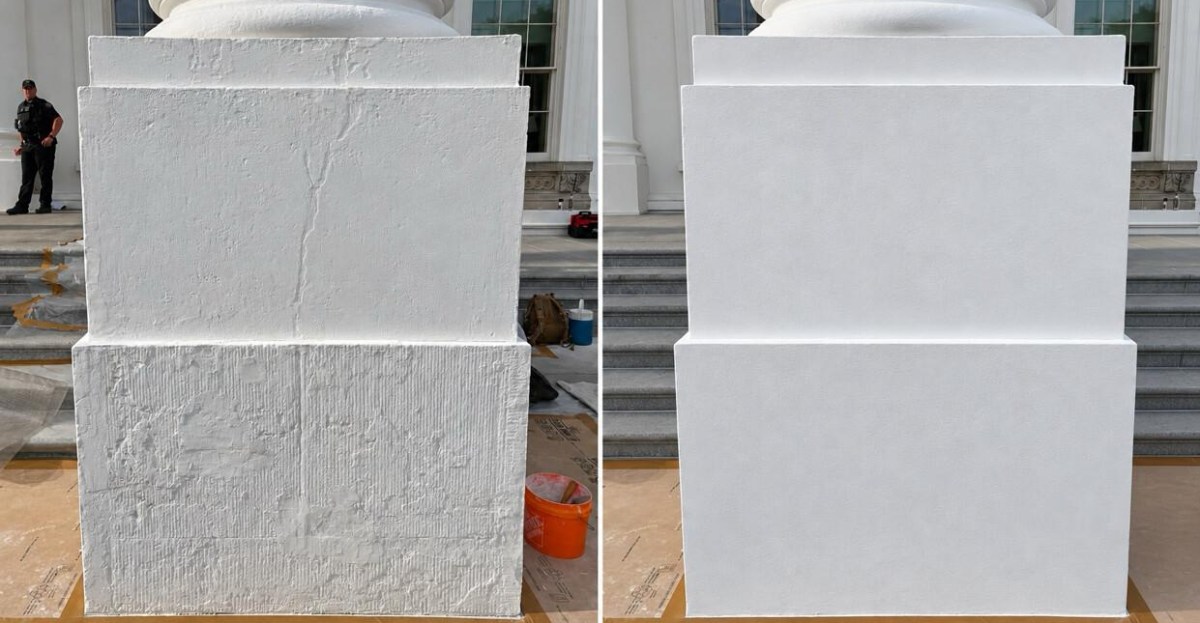
President Donald Trump posted photos on Truth Social showing White House renovations, but one comparing an old…