What happened
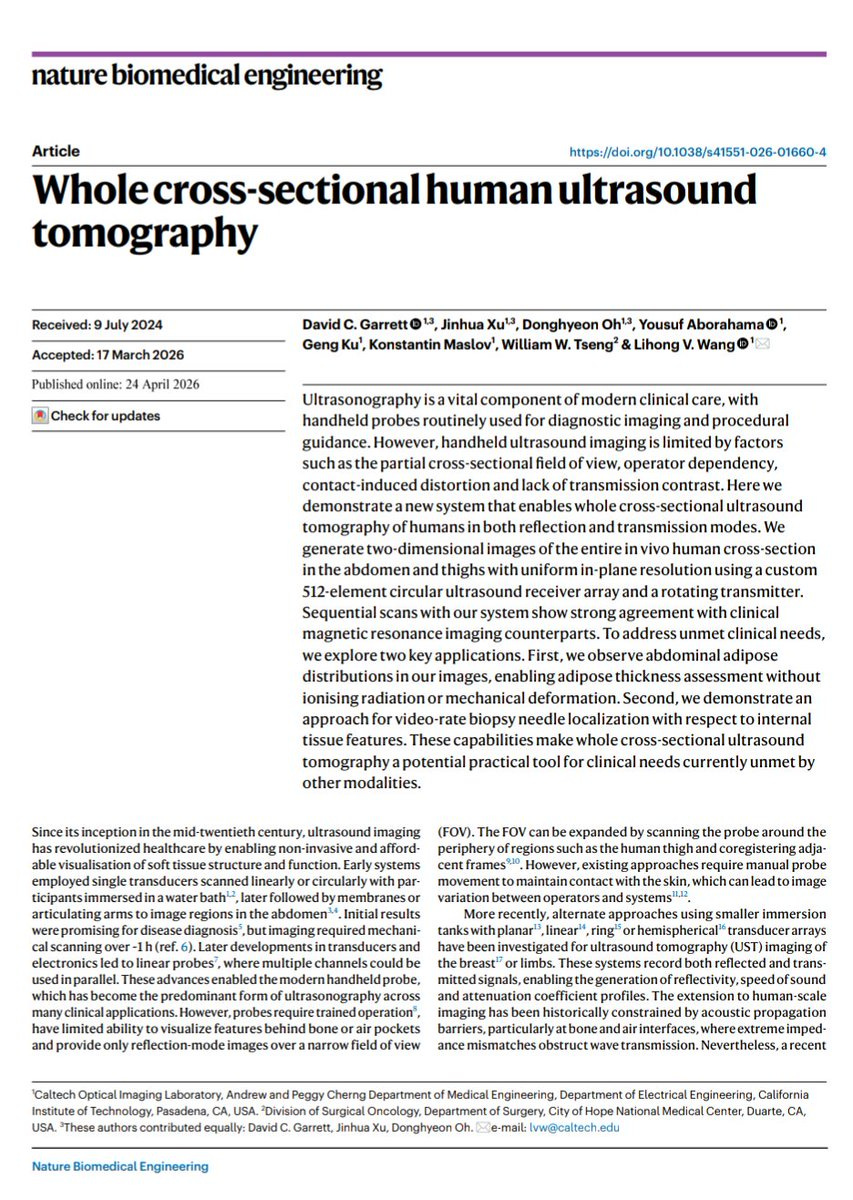
Midjourney announced the Midjourney Scanner, a full-body ultrasonic imaging system using 358,000 ultrasonic elements arranged in a ring, capable of producing images with resolution down to about 0.5 mm. The company is also opening the Midjourney Spa, a 25,000 sq ft facility around Union Square in San Francisco with around 9–10 scanners, targeting an opening by end of 2027. The prototype has scanned about a dozen people so far, and current scans take around 20 minutes.
Why it matters
Midjourney is using revenue from its image-generation business to fund ambitious hardware R&D without investor constraints. The scanner aims to make frequent, affordable full-body imaging accessible—Holz suggested it could eventually be hundreds or thousands of times cheaper than MRI on a per-scan basis—potentially enabling preventive medicine and early disease detection at scale. The company projects a long-term goal of 1 billion scans per month across a fleet of 50,000 scanners.
What to watch
Midjourney says it is self-funded and has started FDA discussions, with the initial regulatory path likely focused on body composition. Gen 2 and Gen 3 scanners are planned by end of 2026 and later, respectively. Scaling to thousands of spas is estimated to require around $20B in upfront capex. The first spa is intended as a learning lab to test consumer demand, pricing models, and usage patterns before replicating the template globally.
Summaries like this, in your inbox every morning.
Pick your industry and the AI tools you use, and get news related to your work every day.
Free · 30 seconds with Google · unsubscribe anytimeWhat is AIToday? →
Ask AI anything about this article. The AI reads this article, earlier AIToday articles, and Wikipedia, and cites its sources. Q&As are published on this page for other readers too.
At TechCrunch Disrupt, Mark Wahlberg said he may use AI to enhance the stadium setting in his upcoming Pete Ro…

TOPPAN Holdings and Keio University ran a quantum-computer and generative-AI proof-of-concept from February 1…

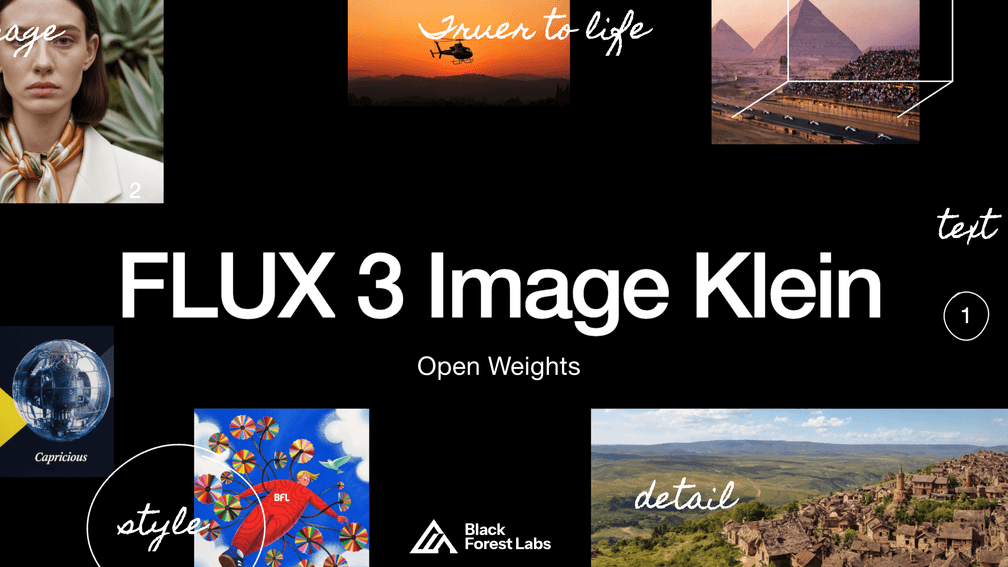
Black Forest Labs released FLUX 3 Image Klein as open weights on October 15, 2026 — a 5.6B-parameter model for…
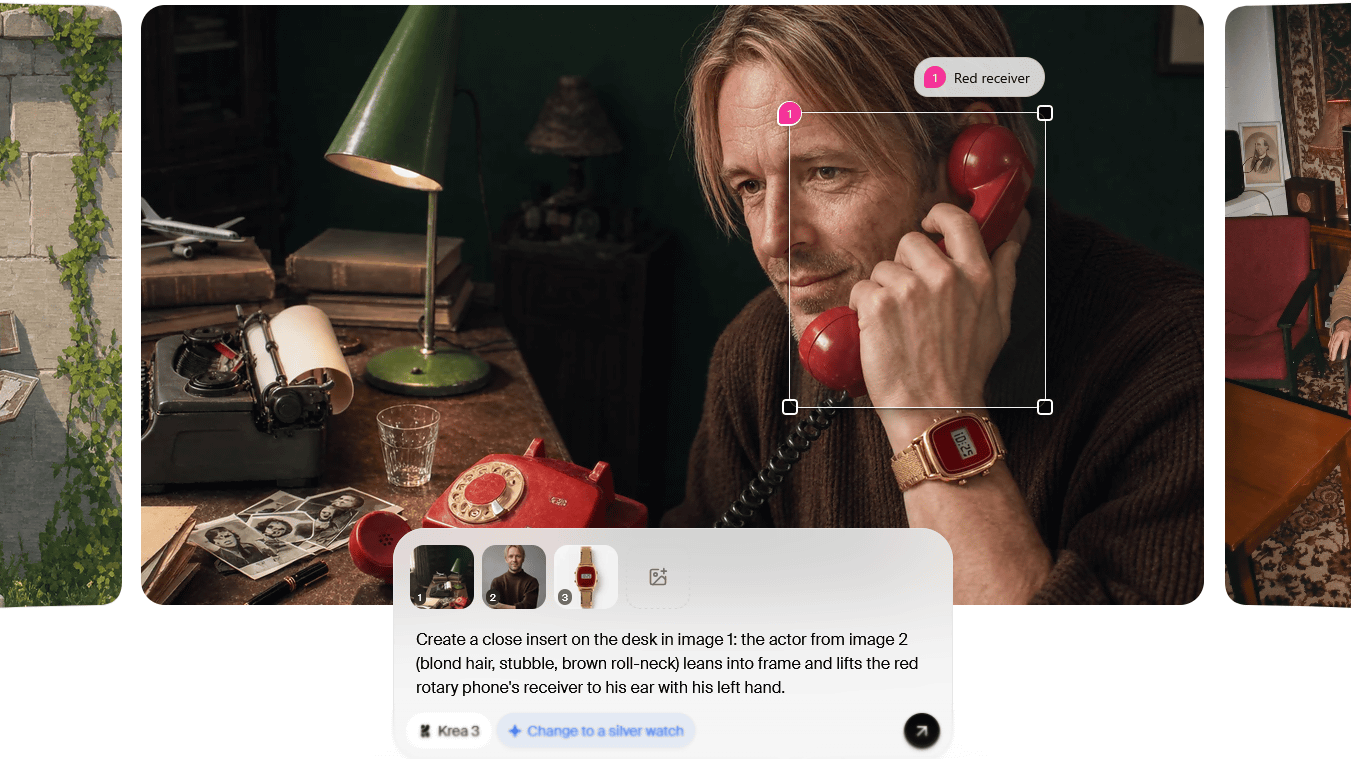
Krea opened the beta for Krea 3, which does end-to-end 2K edits in under 8 seconds, accepts up to 8 reference…
President Donald Trump posted photos on Truth Social showing White House renovations, but one comparing an old…
Universidad de Córdoba (UCO) has published a guide titled "AI NSFW 2026: reference tools, reusable workflows a…