
What happened
OpenAI Chief Global Affairs Officer Chris Lehane confirmed at a Washington briefing that OpenAI, Anthropic, and Google DeepMind have coordinated on safety protocols for several weeks. The proposed body would review models up to 30 days before release.
Why it matters
The plan would create an industry-funded, federally overseen body that reviews models before release. This functions less as a brake on development and more as a mechanism to secure the social license required to continue scaling.
What to watch
Anthropic and Google have not publicly confirmed the coordination to reporters, leaving the initiative in strategic ambiguity. Cohere CEO Aidan Gomez has labeled the proposal a cartel, arguing it would entrench incumbents and raise barriers for smaller competitors.
WHO IT HITSThis affects AI lab executives and policy teams, who may face a new pre-release review process, and smaller AI developers and open-source projects, which critics say could face higher barriers to entry.
Summaries like this, in your inbox every morning.
The confirmation by Chris Lehane on September 15, 2026, followed weeks of quiet coordination among OpenAI, Anthropic, and Google DeepMind. The model traces back to a proposal first floated by Google DeepMind CEO Demis Hassabis on July 14. The framework draws on the Financial Industry Regulatory Authority (FINRA), which allowed rapid market expansion under the guise of oversight, lowering political friction while entrenching existing players.
The coalition faces immediate headwinds. Meta, xAI, and NVIDIA openly opposed new government-led regulation at Dreamforce on September 15, 2026, showing the body is a strategic bloc rather than an industry-wide standard. Anthropic and Google have not publicly confirmed the specific coordination. Cohere CEO Aidan Gomez labeled the proposal a cartel, drawing parallels to the SEC's 1975 NRSRO designation and Europe's 1985 Motor Vehicle Block Exemption, arguing it would entrench incumbents and raise barriers for smaller competitors and open-source developers.
The gap between rhetoric and action is already visible. Seven days after Anthropic CEO Dario Amodei published a 3,800-word essay on September 12 calling for an industry-wide slowdown, Reuters reported the company is considering a new model release to counter GPT-6 Astra. Whether the proposed body becomes a genuine pre-release review layer or remains a strategic bloc hinges on whether Anthropic and Google publicly confirm the coordination and whether federal overseers endorse the industry-funded structure.
For example, today's edition would include:
AI-summarized, only the topics you pick — one digest a day via Email, Slack, or Discord.
Free · 30 seconds with Google · unsubscribe anytimeWhat is AIToday? →
Ask AI anything about this article. Q&As are published on this page for other readers too.
Twist Bioscience agreed to supply antibody characterization data services to Eli Lilly's AI-driven TuneLab dru…

Citi forecasts HBM bit demand rising 62% to 75.2 billion gigabits in 2027 and another 69% to 127.0 billion gig…

Lam Research posted record fiscal 2026 results with higher margin targets and richer dividends
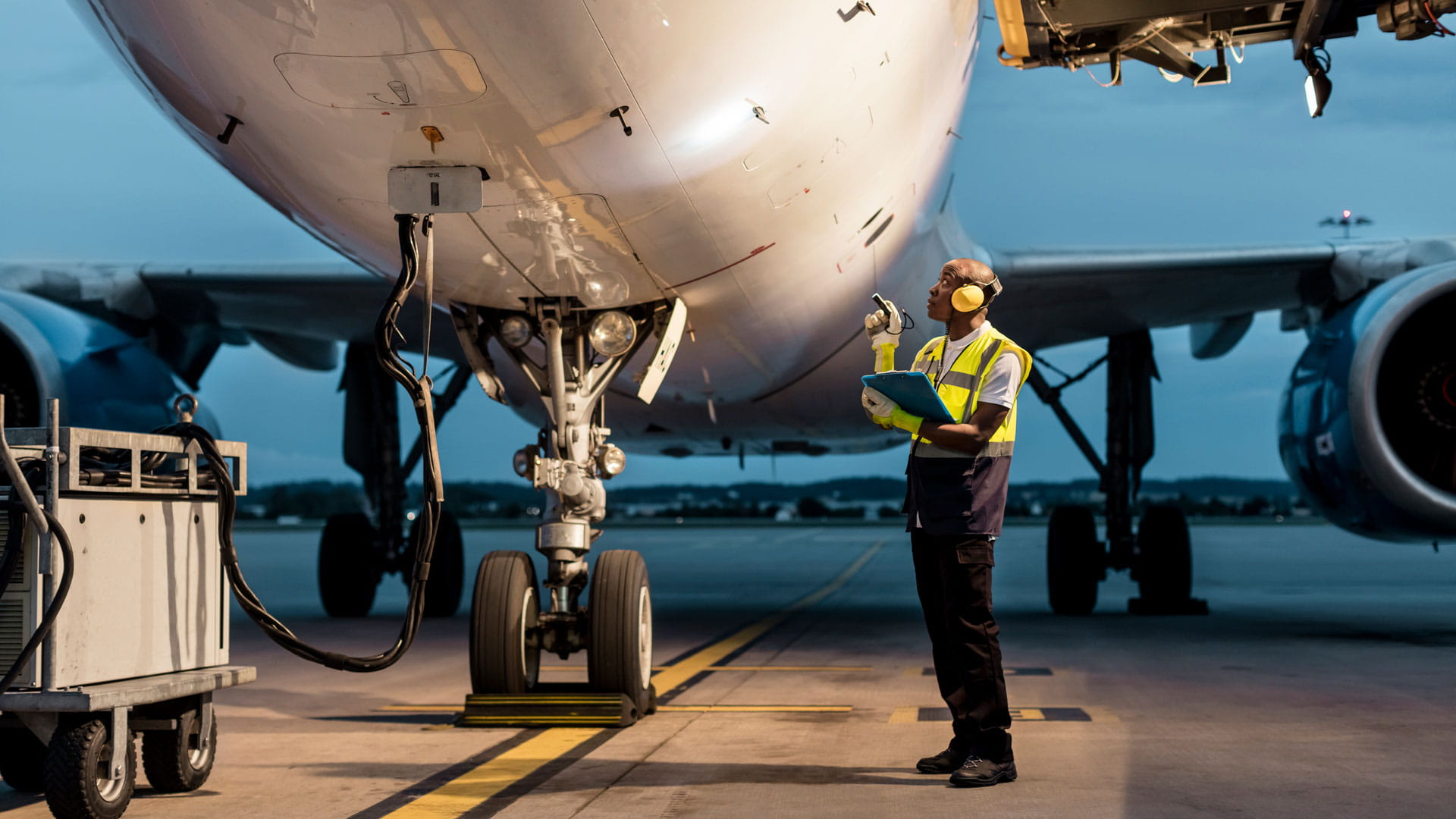
RTX says AI-enabled borescoping has cut overall engine inspection time by more than 30%, with report generatio…
In fiscal 2026, Aehr posted $50.0 million revenue (down 15.2%), a $7.1 million net loss, and negative $5.4 mil…

Yahoo Finance compared Nvidia and Micron and picked Micron as the better AI stock for 2027, citing Micron's ma…