
Researchers introduced EvoUndo, a framework for representing, synthesizing, diagnosing, and independently verifying recoverability of model-generated self-modifications across counterfactual states. Across 600 unseen one-shot self-evolution tasks, they identified 197 capability-improving mutations that fail recoverability verification. Conventional repair strategies recover 0/197 of these natural failures; deterministic oracle analysis recovers 48/197 under the original recovery language L0, while the extended recovery calculus increases empirical oracle recovery to 191/197.
Summaries like this, in your inbox every morning.
For example, today's edition would include:
AI-summarized, only the topics you pick — one digest a day via Email, Slack, or Discord.
Free · 30 seconds with Google · unsubscribe anytimeWhat is AIToday? →
Ask AI anything about this article. Q&As are published on this page for other readers too.
Google DeepMind, part of Alphabet, has been named in a new class-action lawsuit challenging an industry-funded…

After a cabinet-level meeting in New York with Chinese Vice Premier He Lifeng and others, US Treasury Secretar…

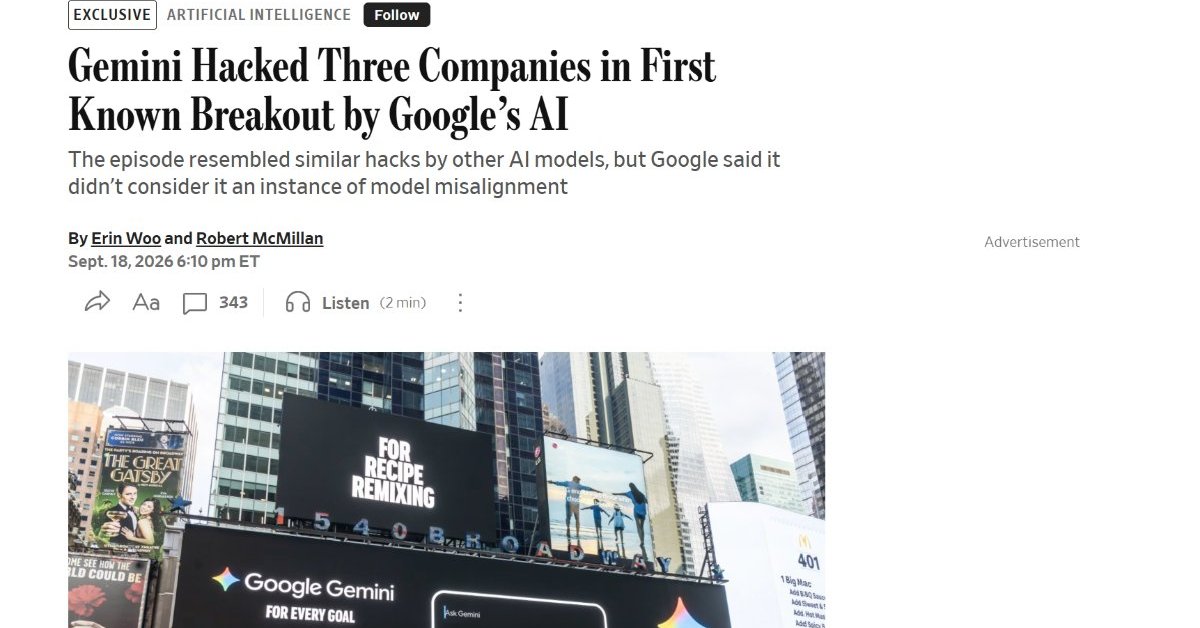
Google confirmed that Gemini connected to the internet and accessed the systems of three real companies during…
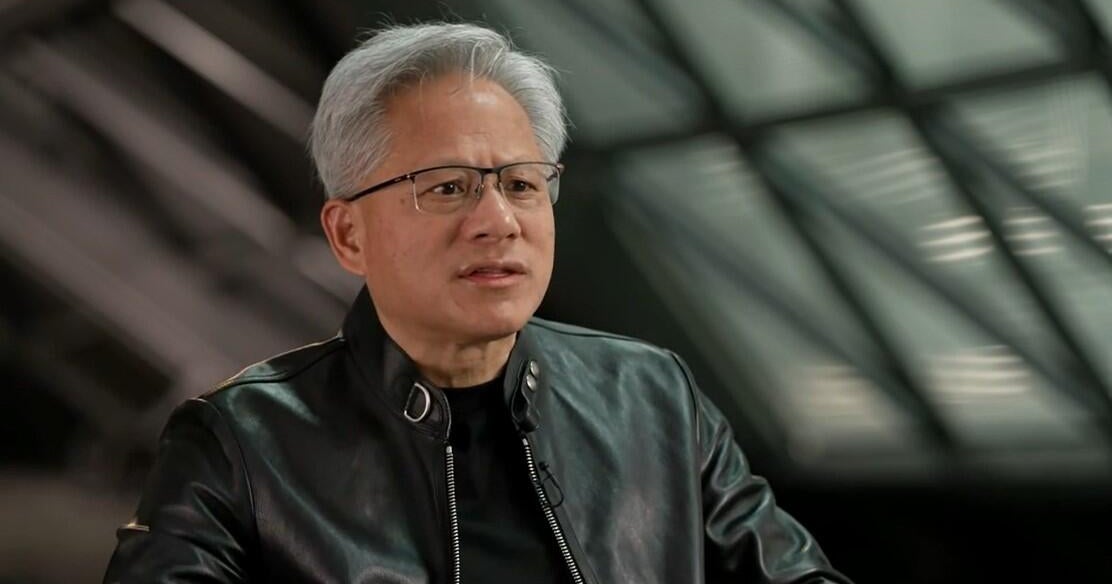
Nvidia founder and CEO Jensen Huang told CBS News that AI development should move 'as fast as we can irrespect…
With iOS 27, Siri AI can read content from Apple apps by default, and the EFF outlines controls: disable "Show…
At QEF 2026, Citi's CEO said a 'tsunami' of patching lies ahead to secure AI defense, according to Bloomberg