What happened
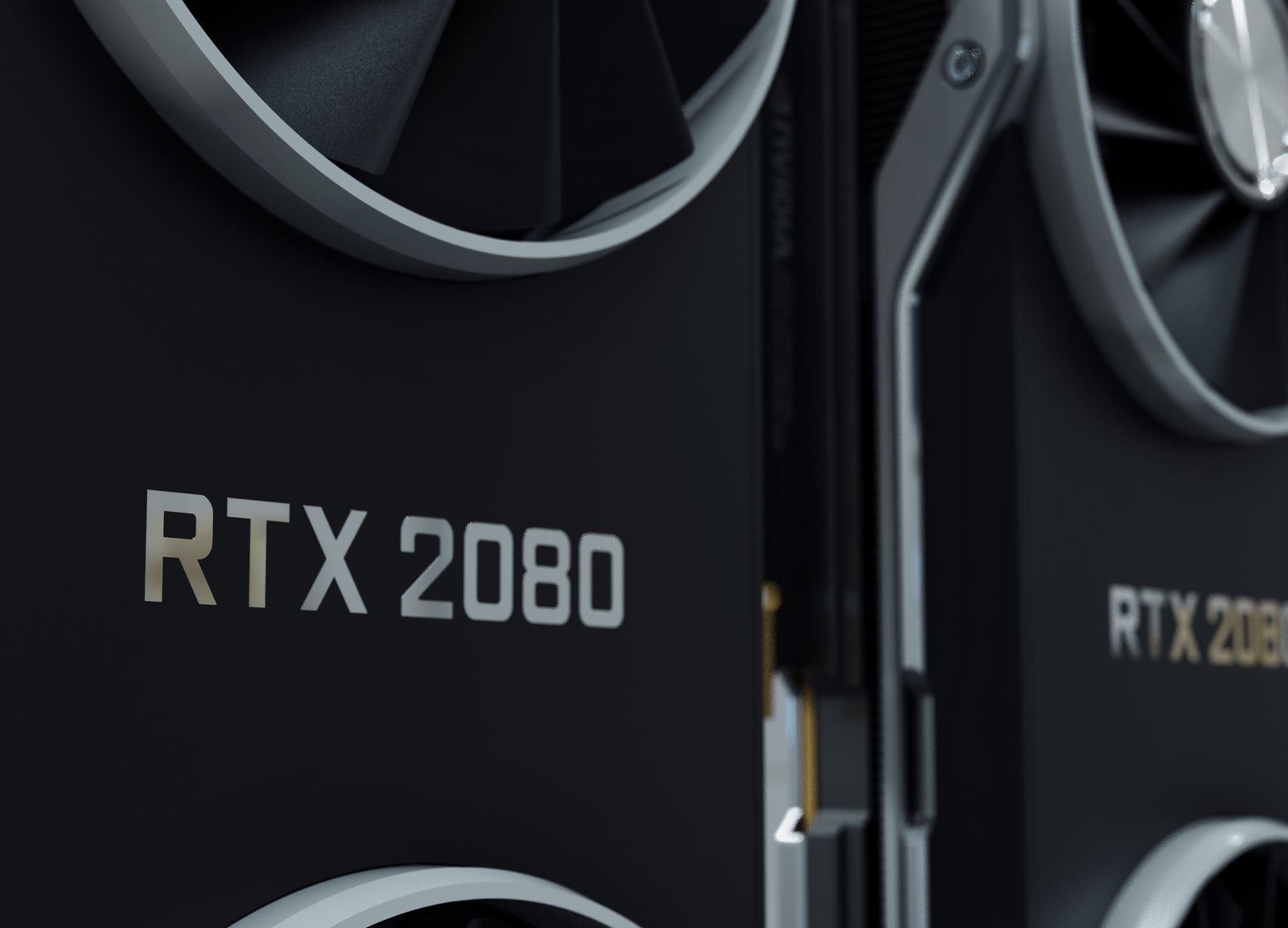
A generative-AI software engineer's analysis argues CUDA, cuDNN, TensorRT and NCCL are extremely important for turning NVIDIA GPU capability into practical AI performance, but that "performance cannot be maximized without NVIDIA software" is inaccurate as a generalization.
Why it matters
The piece says optimization targets the whole chain — model, data movement, CPU, network, storage, power and scheduling — so buyers should measure useful tokens, latency, power and total cost on their own workloads rather than trust vendor "maximum performance" multipliers, which it says lose meaning without matching model, batch size, precision and version conditions.
Summaries like this, every morning.
The analysis is explicitly framed as a personal reflection from a software engineer working with generative AI, and it starts from a common misconception: that buying a GPU by itself delivers performance. It argues GPU results are shaped by a chain running from drivers, runtimes and kernels through libraries, frameworks, models, communication, schedulers, cooling and power, so a single bottleneck can hold back results even when compute capability is high. It defines maximum efficiency not as peak FLOPS on a spec sheet but as useful computation delivered per unit of time, power and cost while meeting quality, latency and availability requirements.
It then walks through where NVIDIA's layered stack fits. Co-design, it says, does not magically increase hardware performance; tools such as TensorRT reduce waste in feeding data to compute units, using memory, launching kernels and communicating between GPUs. It cites CUDA Graphs, multiple TensorRT streams, memory reuse, lower-precision formats and NCCL as ways to address the pipeline's limiting step, and warns that throughput-tuned batching can worsen individual request latency while FP8 or INT8 without quality validation is a quality degradation, not an efficiency gain. Production metrics it lists include useful output tokens per second, Time to First Token and inter-token latency, SLO attainment, GPU memory usage, power and cooling costs, and total cost of ownership including licensing and staff.
The enterprise section covers integration risk: aligning driver and CUDA versions, containers, frameworks and GPU configurations, plus vulnerability response, rollback and monitoring, with NVIDIA AI Enterprise described as clarifying supported configurations and support paths rather than automating everything. NIM is credited with reducing the work of exposing a model as an API, but authentication, auditing, availability, load control, model evaluation and cost management remain the adopting organization's responsibility, so "put AI into production in minutes" is said to describe deployment into an already-prepared environment rather than an entire enterprise rollout. A section on Dell describes Dell AI Factory with NVIDIA reference architectures combining PowerEdge servers, NVIDIA GPUs, Dell networking, PowerScale storage and NVIDIA AI Enterprise, while cautioning that results depend on the customer's existing environment and operational capability.
On the ecosystem, the piece calls CUDA's moat both a technical asset and a switching cost — accumulated developer knowledge, code, tools, documentation and talent — and says dependence on CUDA is neither bad nor inevitable but a trade of switching costs for development speed, support and predictability. It notes research on cross-vendor GPU programming shows translation tools help migration without guaranteeing fully automatic conversion or optimal performance.
Pick your industry and the AI tools you use, and get news related to your work every day.
Free · 30 seconds with Google · unsubscribe anytimeWhat is AIToday? →
Ask AI anything about this article. The AI reads this article, earlier AIToday articles, and Wikipedia, and cites its sources. Q&As are published on this page for other readers too.
Aevius Labs, a Mass General Brigham spinout, raised $22 million led by Insight Partners to build AI foundation…

Jensen Huang returned as Nvidia CEO on Monday after resigning over multiple affairs, including one with a subo…
White House communications director Steven Cheung said President Trump was "totally involved" in Nvidia's deci…
Nvidia's board voted unanimously to reinstate Jensen Huang as CEO, president and board director, effective imm…
Nvidia's board reinstated Jensen Huang as CEO on Monday, surprising a market told last week his return was not…
Stripe cofounders Patrick and John Collison wrote to investors in August that the world entered the Singularit…