What happened
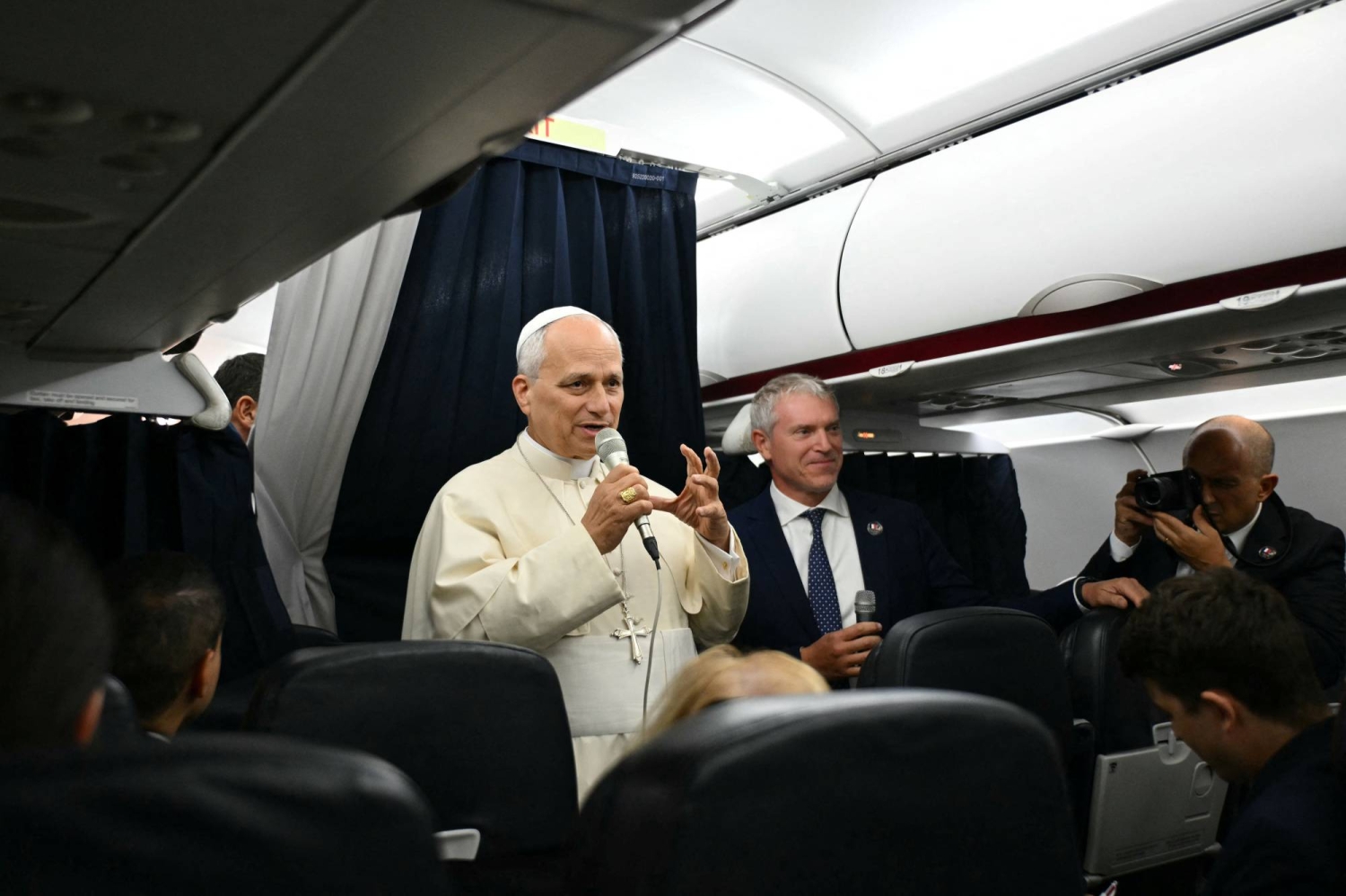
Pope Leo told a news conference on his flight back to Rome that expert concerns about AI destroying humanity "should be taken seriously" and are not "fake news," an apparent rebuke of Trump's "hoax" remark.
Why it matters
His remarks push back on the "hoax" framing and, by extension, on those arguing against guardrails on the technology, suggesting the safety debate will keep a prominent moral voice.
What to watch
He voiced skepticism about Nvidia's Jensen Huang, noting Huang also says there should be no limits or government regulation; watch whether Tuesday's White House meeting with Trump and tech figures shifts that stance.
WHO IT HITSTechnology executives and policymakers heading into the White House meeting on AI face a prominent religious figure publicly disputing the "hoax" framing and arguing that safety concerns deserve a serious hearing.
Summaries like this, in your inbox every morning.
Pope Leo has warned about the dangers of AI throughout his 16-month papacy, and his remarks came at the end of a four-day trip to France. Trump had told the U.N. General Assembly the previous week that fears about AI's dangers to humanity were a "hoax." Into that gap stepped the pope, who said he had read on Monday that Nvidia's Jensen Huang had announced a way to insert guardrails into certain AI models — while noting with skepticism that Huang also says there should be no limits and no government regulation.
The backdrop is a Washington meeting the following day: Trump is to meet tech CEOs on AI at the White House, with Huang, Meta's Mark Zuckerberg, Anthropic's Dario Amodei and OpenAI's Greg Brockman among the attendees, alongside House Speaker Mike Johnson. Johnson said the talks would focus on balancing innovation and oversight and warned the U.S. risks losing the AI race to China if it "hyper-regulates." Leo's intervention, framed as concern about expert warnings, sets a moral counterpoint to that deregulatory argument.
How much weight the pope's words carry in that room is likely to hinge on whether the Washington meeting treats safety concerns as a matter for regulation or as an obstacle to competitiveness. For the executives attending, the test is whether the pope's framing — that the concerns are real and not "fake news" — changes the political cost of arguing against limits.
For example, today's edition would include:
AI-summarized, only the topics you pick: one digest a day via Email, LINE, or Slack.
Free · 30 seconds with Google · unsubscribe anytimeWhat is AIToday? →
Ask AI anything about this article. The AI reads this article, earlier AIToday articles, and Wikipedia, and cites its sources. Q&As are published on this page for other readers too.
Okta launched a multivendor reference architecture, the Blueprint Alliance, for agent runtime security
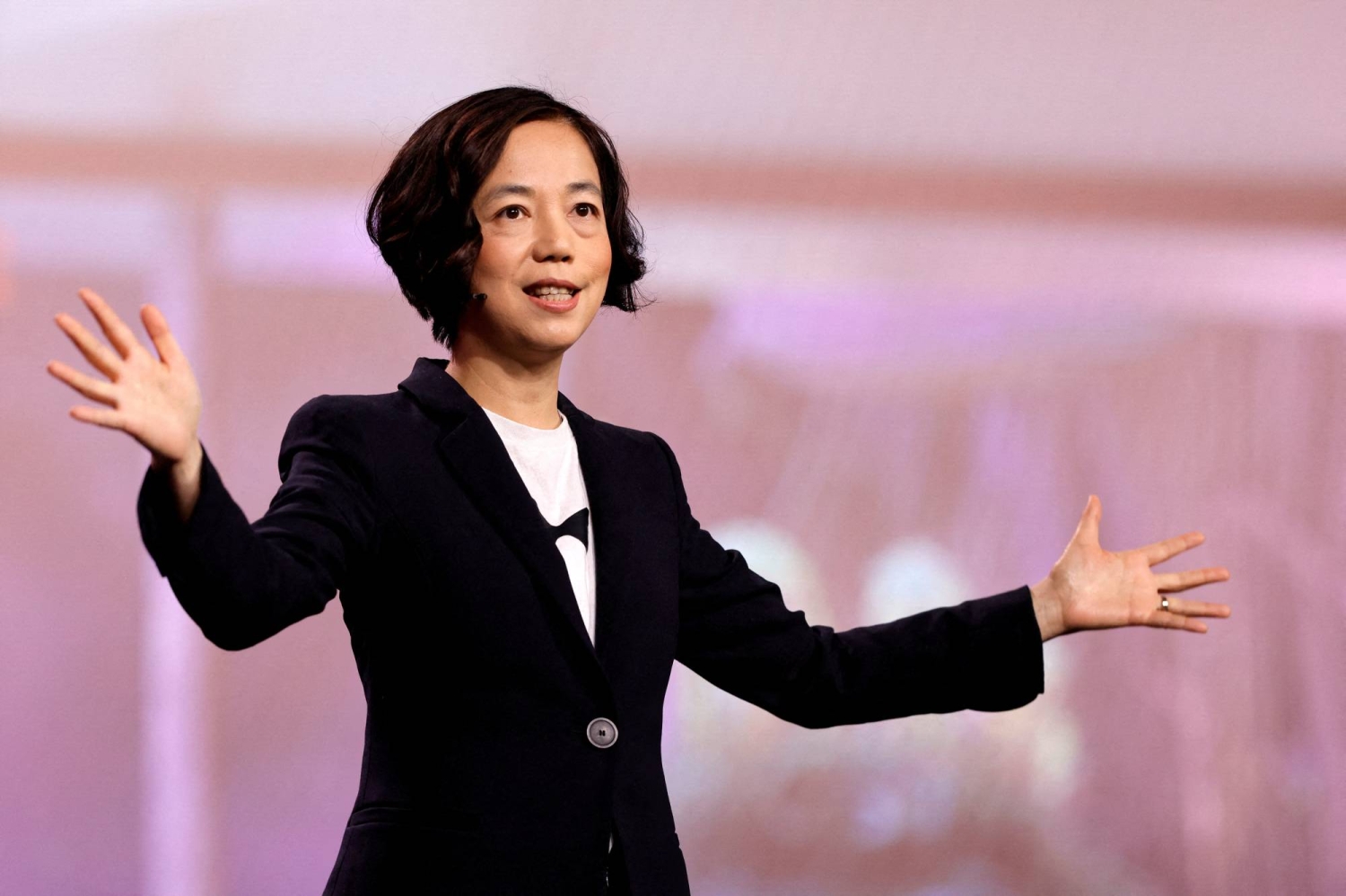
Chipmaker AMD agreed to acquire World Labs, the AI startup founded by industry pioneer Fei-Fei Li, for $8.2 bi…
Anthropic's Thariq Shihipar said on the Latent Space podcast that agent security may become one of the definin…
OpenAI's safety systems lead, Search Jain, said GPT-6.1 Astra scored poorly on tests measuring AI alignment (h…
Georgetown University and University of Washington researchers had ChatGPT-5.5 and Gemini 2.5 Flash-Lite summa…
Reuters reported that Anthropic intends to include, in its IPO prospectus, a statement that powerful AI could…