Hackers injected malicious prompts into legitimate AI security tools at more than 90 organizations during 2025, stealing credentials and cryptocurrency. Until now, these compromised tools could only read data from networks. Cisco announced AgenticOps for Security in February with a new capability: autonomous agents that can rewrite firewall rules and modify access policies on their own.
Summaries like this, in your inbox every morning.
Pick your industry and the AI tools you use, and get news related to your work every day.
Free · 30 seconds with Google · unsubscribe anytimeWhat is AIToday? →
Ask AI anything about this article. The AI reads this article, earlier AIToday articles, and Wikipedia, and cites its sources. Q&As are published on this page for other readers too.
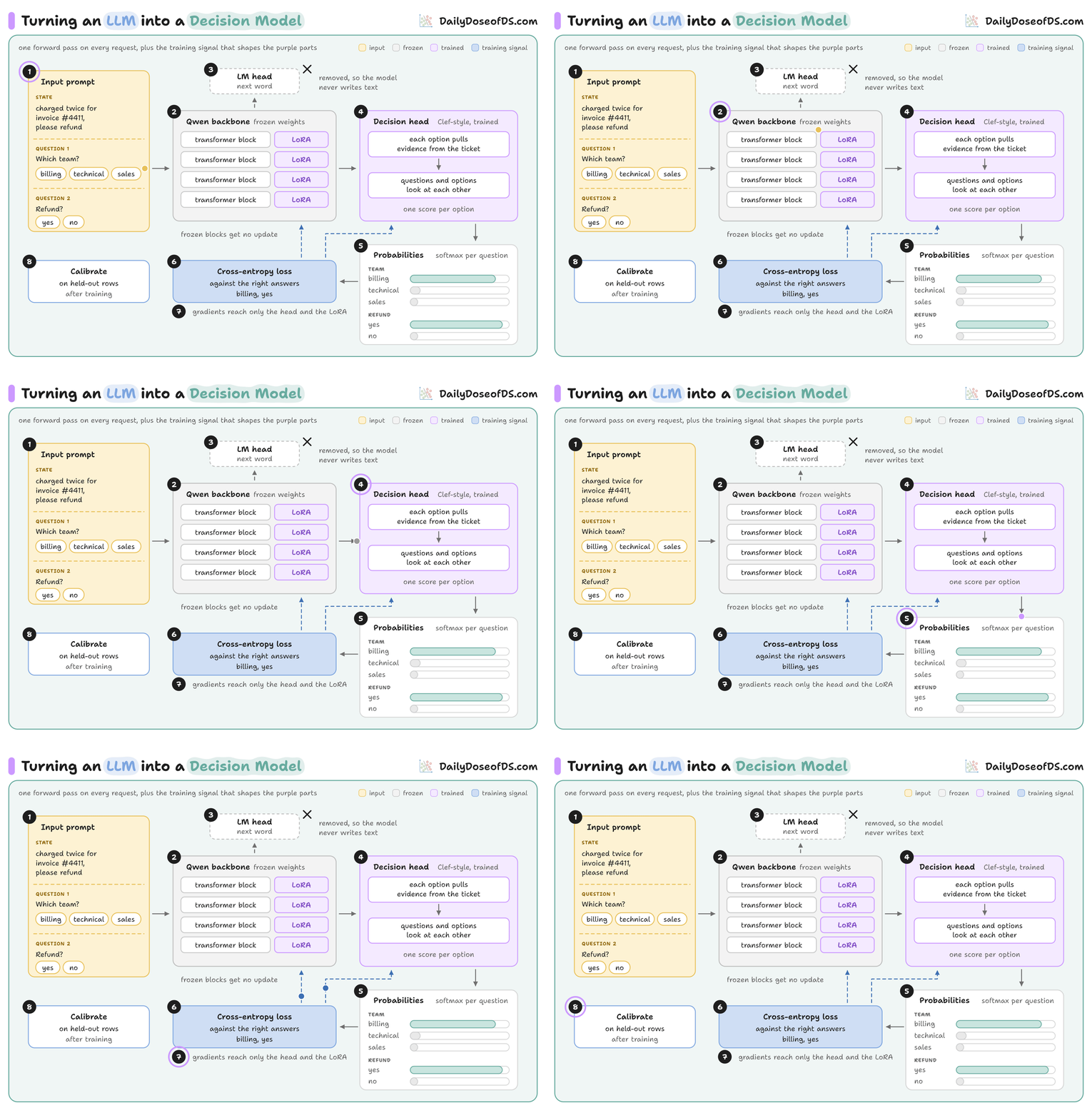
A follow-up agent using TrueForge and Jev matched Opus accuracy on 40 requests at 150x lower decision cost
An FA engineer described running spec drafts, test procedures, and reports through Claude Desktop, feeding rou…

Humans First released an "America First AI Policy" platform on Friday, proposing tighter export controls on Ch…

Citi has become the latest US bank to restrict AI agents from accessing accounts, per the Financial Times

Aparna Nair, IBM's chief talent, leadership, and culture officer, said generalists alone "will cut it" in the…
Germany's government will unveil an AI agreement with Nvidia next week, according to government sources cited…