What happened
GitHub shared four efficiency upgrades for its AI coding agent Copilot. These include a selective output compressor, removing line-number prefixes, shorter prompts, and delivering background work results directly.
Why it matters
The changes target the outcome of a full task, not individual tool calls. GitHub found that shortening each tool response can actually increase total cost when the agent has to reread or rerun commands, adding up to 2.3% average savings in token-related usage.
What to watch
One prompt change removed about 1,300 task-tool prompt tokens per turn. Removing line-number prefixes cut model-inference cost by roughly 5% in offline tests and about 3% for Copilot CLI users, with no quality regressions detected.
Summaries like this, in your inbox every morning.
GitHub's work reflects a central problem in AI coding: local optimization can hurt global efficiency. The Rust Token Killer utility shortened shell output, but agents often reopened or reran commands to recover missing details, raising total tokens. So GitHub shifted to evaluating changes across complete tasks, using agentic coding benchmarks and controlled experiments. Early versions of their output compressor were too aggressive, but repeated failures led to policies that preserve source-like output and compress only repetitive noise. The prompt compression example shows the risk: a meta-prompting loop initially serialized independent agents, but a regression test caught it, and a one-sentence fix restored parallelism while saving about 1,300 tokens per turn. These lessons extend beyond CLI: the same harness powers GitHub Copilot app and code review. The code review migration and instruction tuning alone reduced costs by about 20%, and shared file tools are expected to keep improving. The article emphasizes that token savings must be measured in the specific workflow, as some changes that helped review increased costs in the CLI. Ultimately, the focus is on creative ways to remove unnecessary overhead without losing context or behavior.
Pick your industry and the AI tools you use, and get news related to your work every day.
Free · 30 seconds with Google · unsubscribe anytimeWhat is AIToday? →
Ask AI anything about this article. The AI reads this article, earlier AIToday articles, and Wikipedia, and cites its sources. Q&As are published on this page for other readers too.
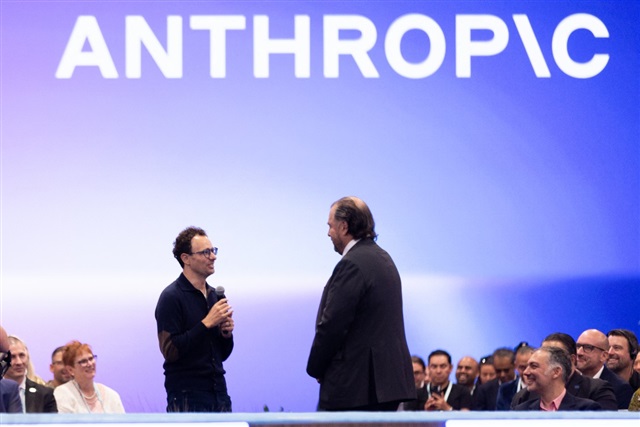
Anthropic's draft IPO prospectus disclosed first-half revenue of $16.3 billion alongside an $80.7 billion net…
China set up National Data Group, a state-owned enterprise headquartered in Xiong'an, Hebei province, with Vic…

OpenAI said the PHP vulnerability, fixed the same day, was found using GPT-5.6 Sol through its Patch the Plane…
Klique announced platform support for NVIDIA Nemotron 3.5 Super VL, OpenShell, Dynamo, and NeMo Switchyard, le…
In Q3 2026 results on Oct

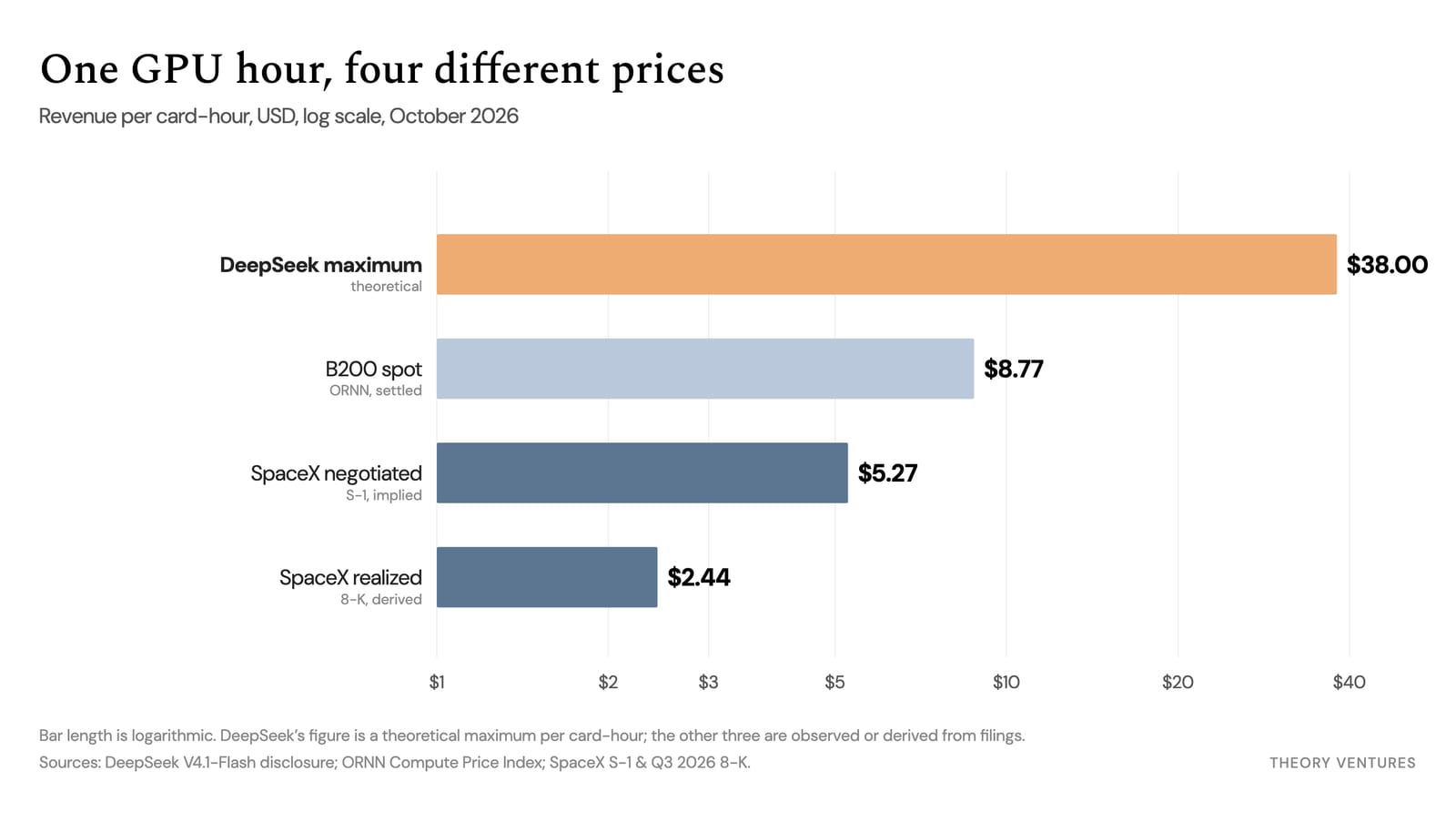
Tom Tunguz laid out a GPU pricing ladder from DeepSeek's theoretical $38.00 per card-hour maximum down to Spac…