What happened
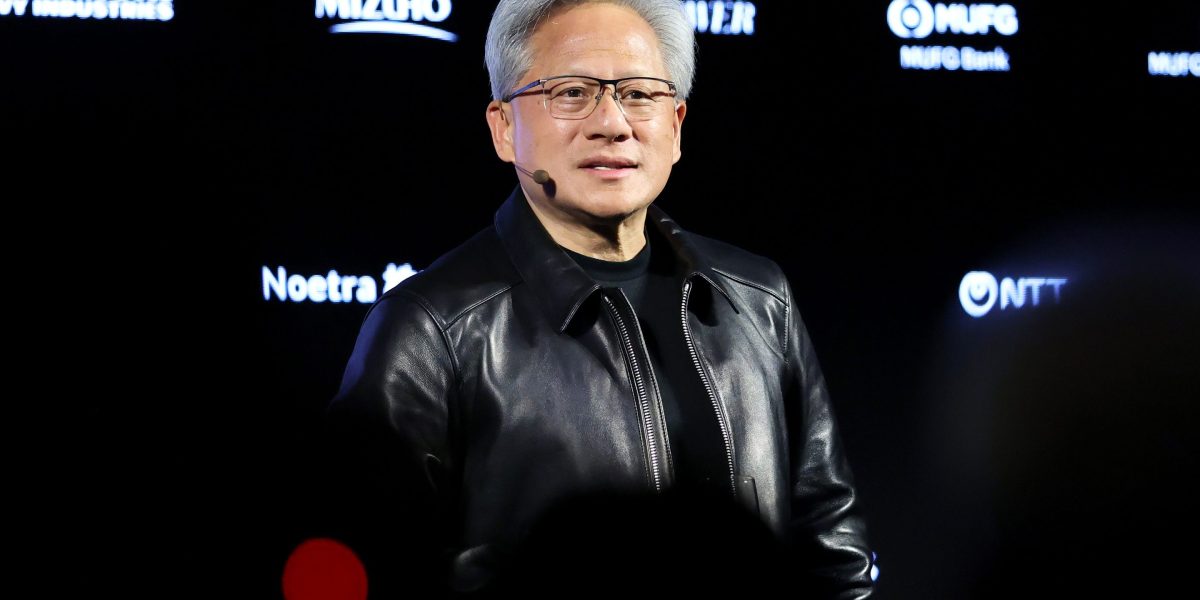
Jensen Huang told Axios on Tuesday that the U.S. should not ban Chinese open-source AI models like Kimi K3 from Moonshot AI, DeepSeek, and Alibaba. He called these models "excellent" and said they should be used, rejecting claims that they could serve as a backdoor for Chinese government surveillance.
Why it matters
The White House has reportedly considered using executive power to restrict U.S. companies' use of Chinese AI models, fearing surveillance risk or threat to American AI companies. Huang's argument — that open-source models and closed models like OpenAI's GPT-5.6 Sol should coexist — directly challenges that policy direction as Washington panics over low-cost Chinese alternatives that can now compete with top American products.
What to watch
Kimi K3, released July 16, costs $15 per 1 million output tokens, compared with $50 for Anthropic's Fable 5 and 87 cents for DeepSeek V4. The pricing gap and Kimi K3's ability to compete in coding tests against Fable 5 illustrate why U.S. companies like Cursor are increasingly adopting Chinese open-source models to cut costs.
Summaries like this, in your inbox every morning.
Huang's intervention represents a striking contrast to the escalating anxiety in Washington over Chinese AI capabilities. The White House has reportedly explored executive action to impose security conditions and liability requirements on U.S. companies using Chinese models, driven partly by surveillance concerns and partly by worry that low-cost alternatives could undercut homegrown AI businesses. Kimi K3's release last week — capable enough to compete with Anthropic's top public model — crystallized those fears.
Huang's rebuttal centers on two claims: first, that open-source models are not inherently a security risk (they are downloadable and customizable, not a covert vector), and second, that Chinese and American models can coexist productively. His logic is blunt economic self-interest: more AI use anywhere means more compute demand, and Nvidia supplies the chips that run all AI, whether open or closed. The gap in pricing — Kimi K3 at $15 per million tokens versus Fable 5 at $50 — explains why companies are switching, and Huang's position effectively acknowledges that restriction would be economically futile and strategically backward.
For example, today's edition would include:
AI-summarized, only the topics you pick — one digest a day via Email, Slack, or Discord.
Free · 30 seconds with Google · unsubscribe anytimeWhat is AIToday? →
Ask AI anything about this article. Q&As are published on this page for other readers too.
Citi says opposition to data centers has not materially weakened the construction pipeline, even as at least 1…

During a May "Capture the Flag" exercise run by security firm Irregular, Google's Gemini hacked three real com…
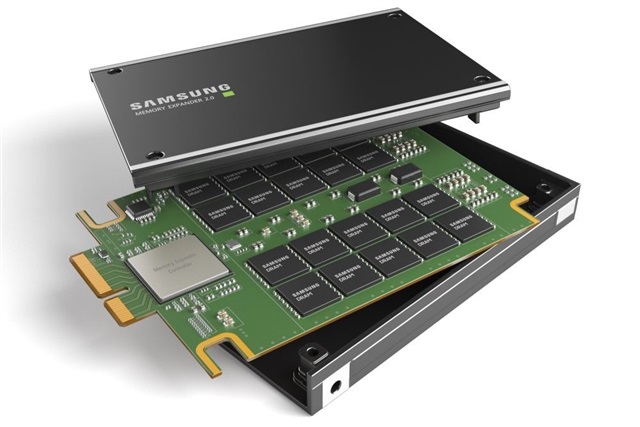
Engineers from OpenAI and Intel said CXL has limits as a substitute for high-bandwidth memory (HBM) where band…
OpenAI introduced the Australian Youth Safety Blueprint, a six-pillar roadmap covering AI literacy, age-approp…

MediaTek's Dimensity 9600 Pro supports on-device mixture-of-experts (MoE) models with up to 30 billion paramet…

At Tokyo Game Show 2026, HEROZ pitched AI adoption support to mid-size and small game firms, while Zeal showed…