What happened
Panasonic Connect reported that generative AI and AI agents cut 788,000 hours of work in fiscal 2025 — 3.4% of total labor hours — with 3.61 million uses.
Why it matters
Nihon Densetsu Shizai expects about 1,000 hours saved a year from invoice work, while LINE Yahoo targets roughly 1,600 hours a month in HR admin.
What to watch
Results hinge on splitting tasks by volume and error impact, starting with low-risk work; staff should still confirm payment amounts and due dates.
WHO IT HITSAdministrative and back-office teams in finance, HR and procurement are the direct targets, since invoice entry, expense checks and internal inquiries are the tasks vendors are automating. The success of these rollouts will also shape how recruiters and finance managers plan headcount.
Ask the AI about this article →
Summaries like this, in your inbox every morning.
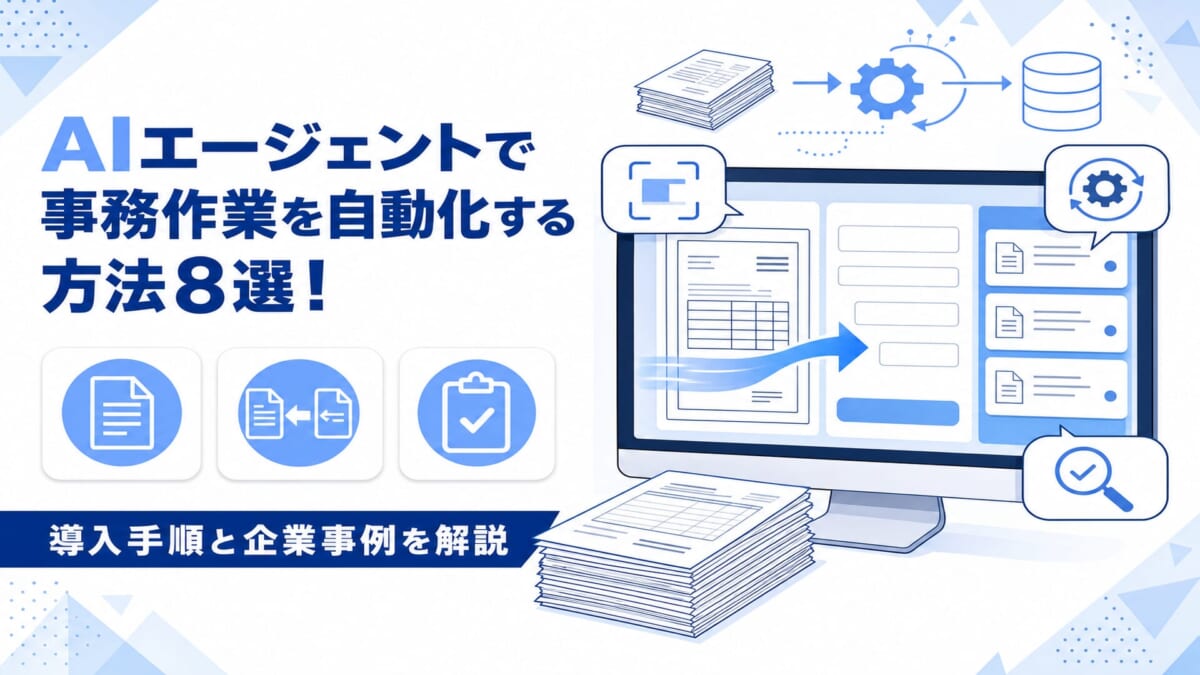
Japanese administrative departments have been under pressure for years at month-end and month-start, when invoice entry, order transcription and expense rework pile up faster than hiring can keep pace. The article frames AI agents as a different tool from RPA and from generative AI chat: RPA repeats a fixed scenario and stalls the moment a supplier changes an invoice layout, while chat tools stop at drafting text and leave the actual entry, sending and filing to people. An AI agent takes a stated goal, breaks it into steps — reading, matching, registering — and carries them through to execution.
That distinction is what the published numbers are meant to illustrate. Panasonic Connect said its company-wide AI assistant reached 3.61 million uses, 33 minutes per use, and 788,000 hours saved in fiscal 2025, with a monthly unique-user rate of 61%, and it aims to cut total labor hours 10% by 2030. LINE Yahoo is rolling out 10 AI tools in HR and general affairs through spring 2026, expecting over 1,600 hours a month, while Nihon Densetsu Shizai, handling about 2,000 invoices a month, expects roughly 1,000 hours a year.
The article's practical thread is that the deciding factor is not the type of task but how deep you delegate it — draft only, execute after approval, or judge outright. A table sorts work by volume and by the cost of an error, sending high-volume, low-impact tasks toward full automation and keeping high-impact ones at the approval stage. How far this spreads is likely to hinge on whether firms document the exception rules that currently live only in people's heads, and whether a first pilot on a single task produces numbers convincing enough to justify the next one.
For example, today's edition would include:
AI-summarized, only the topics you pick — one digest a day via Email, Slack, or Discord.
Free · 30 seconds with Google · unsubscribe anytimeWhat is AIToday? →
Ask AI anything about this article. Q&As are published on this page for other readers too.
Anthropic CEO Dario Amodei published an essay over the weekend proposing "pacing the frontier" and slowing imp…

Anthropic CEO Dario Amodei published a 3,800-word essay Saturday calling for slowing the pace of AI model capa…
Sam Altman called for a uniform, nationwide safety framework for advanced AI and said OpenAI now sets explicit…

At the Fortune Leaders Forum in Macau on Sept

NC State first-year Amanda Cullen says most of her classes ban AI unless cited, and questions whether outright…

A Stony Brook University-led study of 14,419 self-published genre-fiction books on Amazon found 2,880, about 2…