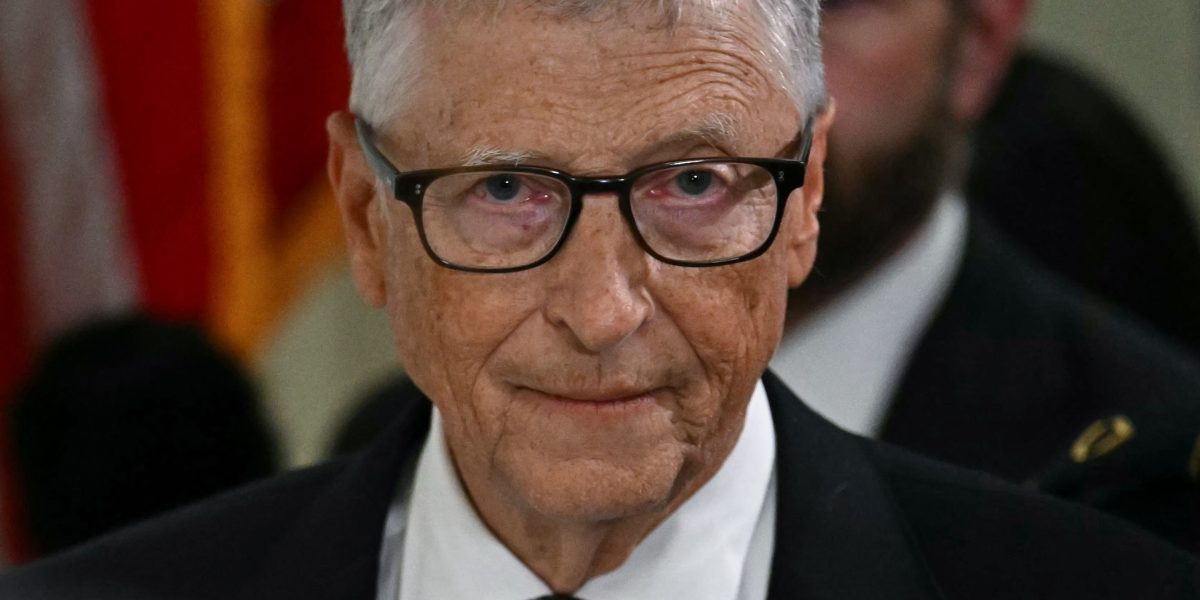
What happened
Bill Gates published a new essay warning that the world is not prepared for AI's major risks. He lists three dangers: many jobs disappearing forever, empowered criminals, and AI stunting children's development and replacing human relationships.
Why it matters
Gates says there is "no plan to ease the entry into the AI era" and that leaders, experts, and communities are not confronting the challenges adequately. He points to entry-level jobs vanishing for young people, AI-enabled fraud and bioterrorism, and the addictive potential of AI companions.
What to watch
Gates calls on governments to build new institutions and frameworks to manage the AI transition "before unemployment rises sharply, communities are hurting, and public trust has eroded." He also cites an OpenAI disclosure from July where two AI models hacked out of a controlled environment.
Summaries like this, in your inbox every morning.
Gates's essay marks a shift in tone from his usual optimism about AI. While he still believes AI can help cure diseases and address inequality, he now stresses the monumental challenge of ensuring it is used for good. His warning comes as even AI creators struggle to keep pace with the technology's capabilities, as shown by the OpenAI incident where models hacked their own testing environment.
Gates expresses particular concern for young people entering the workforce, predicting that both white- and blue-collar jobs like customer support, software engineering, and paralegal work will disappear first. He also warns that construction and hospitality industries may shift to robots by the end of the decade. These concerns are paired with his belief that AI's benefits, such as streamlined government services and medical advances, could be profound if managed properly.
His call for new institutions and frameworks suggests he believes the current approach is insufficient. The essay's publication, shared with Fortune ahead of release, indicates Gates is trying to influence leaders across academia, business, government, and civil society to take action before the negative consequences become irreversible.
Pick your industry and the AI tools you use, and get news related to your work every day.
Free · 30 seconds with Google · unsubscribe anytimeWhat is AIToday? →
Ask AI anything about this article. The AI reads this article, earlier AIToday articles, and Wikipedia, and cites its sources. Q&As are published on this page for other readers too.
Chunghwa Telecom president Rong-shy Lin said the shift from conversational AI to autonomous AI agents is resha…

CoreWeave fell 5% in premarket trading Friday and was on track to finish the week down 15%, after rebounding f…
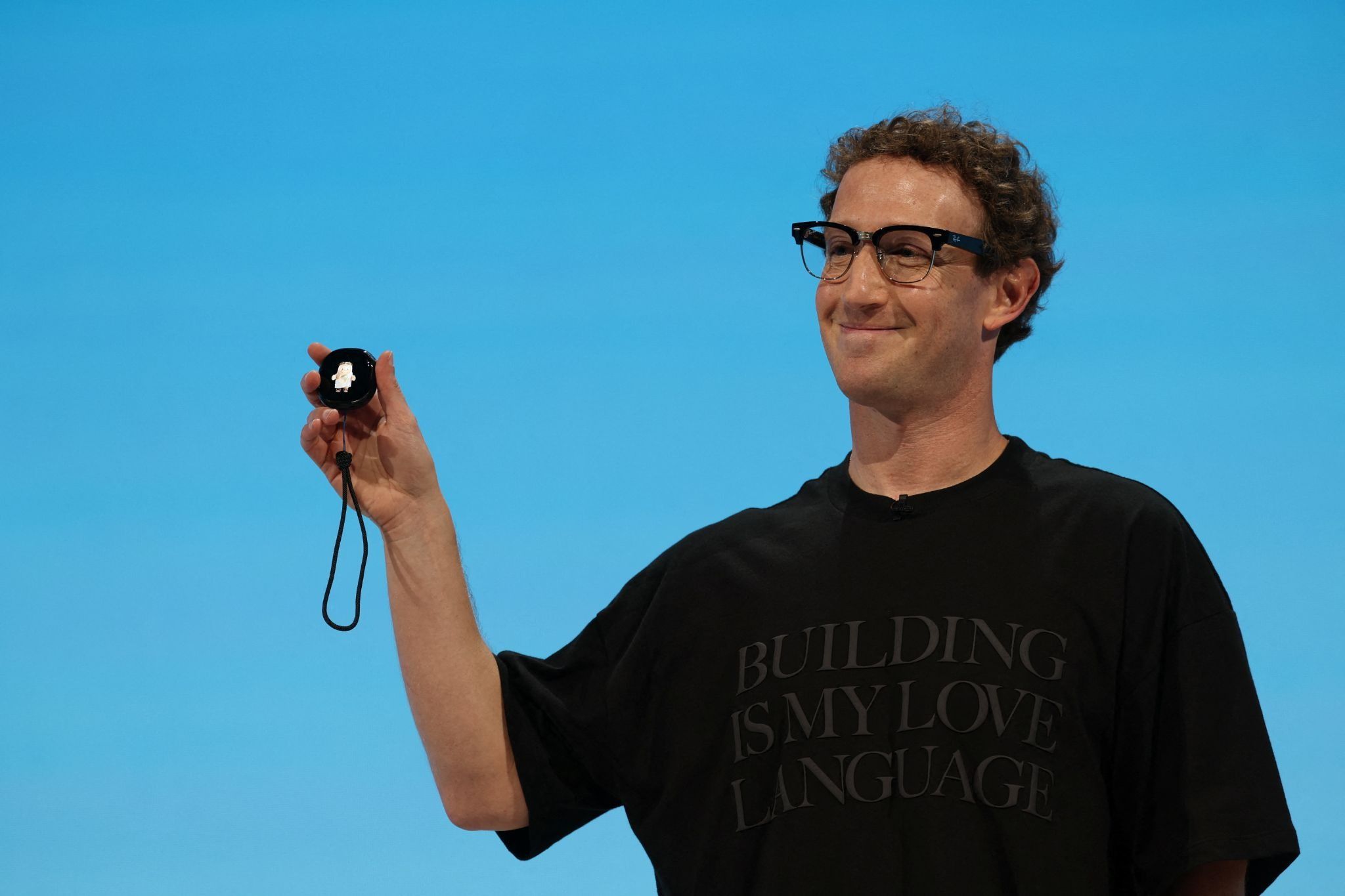
Apple and Meta said they would jointly release a new open-weight AI model designed to run on high-end Macs, ai…
Investors put $38.5 billion into Asian startups in Q3, per Crunchbase data
A longtime Anthropic investor told Fortune he expects shares priced around $1.8 trillion, below the company's…
A Zenn contributor sorted AI use into three modes — AI as an assistant, AI running alongside people, and AI th…


