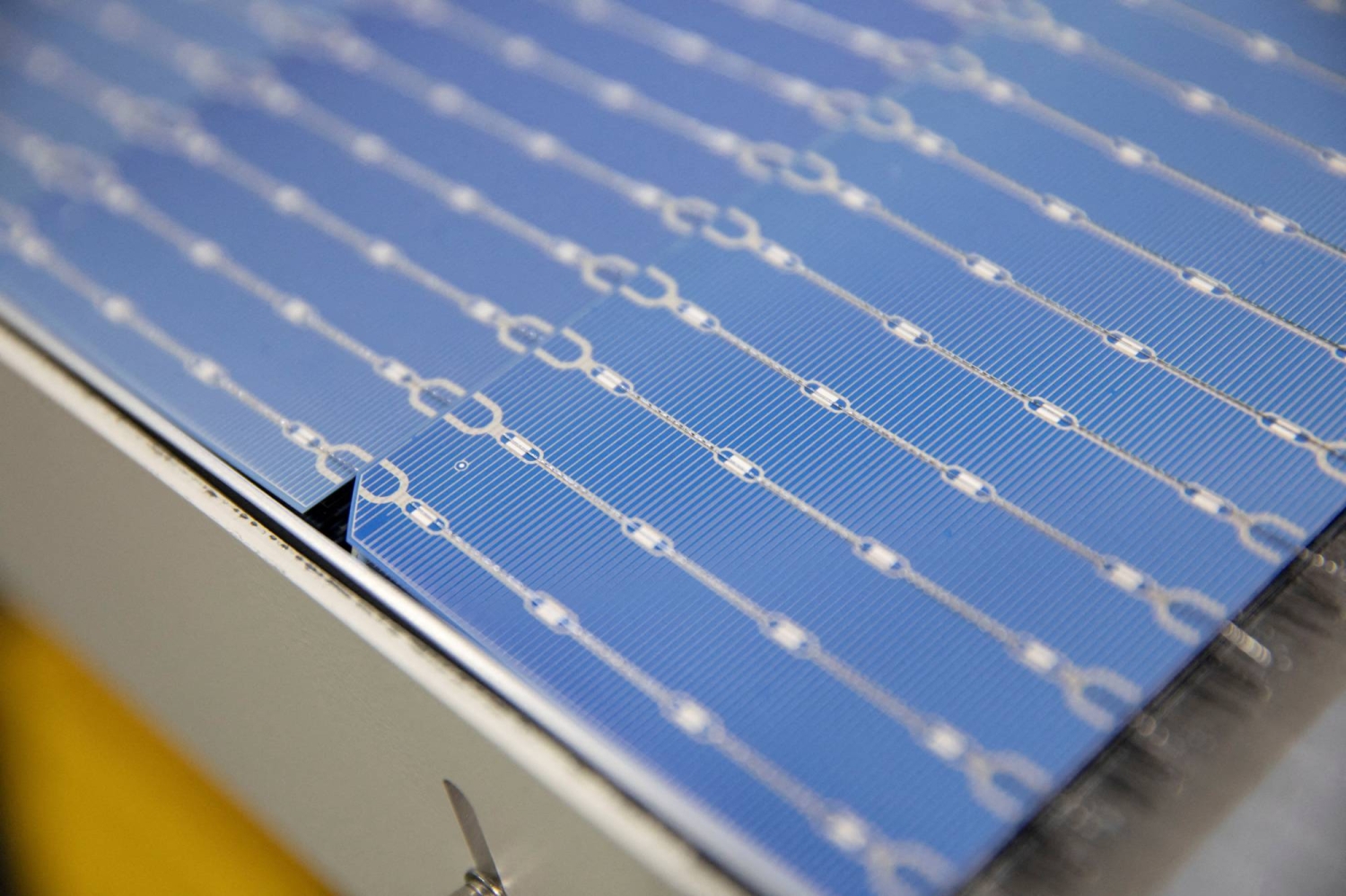
The U.S. is weighing a polysilicon price floor and tariffs to protect domestic factories from Chinese competition, with a decision expected later this month.
Polysilicon is essential to both solar and semiconductor production, and the move reflects broader U.S. efforts to secure its supply chain in these strategic industries.
What happened
The U.S. is weighing a polysilicon price floor and tariffs, expected to be decided later this month, as a way to shield domestic polysilicon factories from Chinese competition in the chip supply chain.
Why it matters
Polysilicon is a core material for both solar panels and semiconductor manufacturing. Protecting U.S. production capacity in this material could reduce dependence on Chinese supply and support domestic chip and solar industries amid rising Chinese ambitions in these sectors.
What to watch
The decision is expected later this month. The outcome will shape tariff and pricing policy for polysilicon imports and may signal broader U.S. strategy on semiconductors and renewable energy supply chains.
The U.S. is considering two policy measures to support its polysilicon industry: a price floor and tariffs on imports. The decision is expected to come later this month. The stated aim is to protect U.S. polysilicon factories from growing Chinese ambitions in the chip supply chain. Polysilicon is a foundational material used in both solar panel manufacturing and semiconductor production, making it central to two major U.S. strategic priorities: renewable energy and semiconductor self-sufficiency. By defending domestic polysilicon capacity, the U.S. seeks to reduce reliance on Chinese suppliers and maintain control over a critical input for its technology and clean energy sectors.
Polysilicon sits at the intersection of two strategic U.S. industries: semiconductors and solar energy. The article indicates that Chinese firms have been expanding their presence in the chip supply chain, creating pressure on U.S. policymakers to protect domestic polysilicon production. A price floor and tariffs are conventional tools to shield domestic producers from cost-based competition, particularly when the competitor is state-supported or operates at scale that domestic firms cannot match. The timing of the decision—expected later this month—suggests this is part of a broader policy review on critical materials and supply chain resilience.
AI-summarized, only the topics you pick — one digest a day via Email, Slack, or Discord.
Free · takes 30 seconds · unsubscribe anytime
Ask AI anything about this article. Q&As are published on this page for other readers too.

The AI news that matters, in one minute each morning.
Sign up free
