What happened
In a 2019 paper, Luciano Floridi and Josh Cowls compared 47 principles from six documents — Asilomar, Montreal, IEEE, EGE, the UK House of Lords and Partnership on AI — and found nearly all fit five: beneficence, non-maleficence, autonomy, justice and explicability.
Why it matters
The first four match medical ethics principles, suggesting AI ethics was built on that foundation, while explicability is AI-specific and a precondition for checking whether AI is beneficial, harmless and fair.
Summaries like this, every morning.
The convergence Floridi and Cowls found did not happen in a vacuum. It followed a burst of activity between 2016 and 2019, when organizations ranging from the Future of Life Institute to the OECD, Japan's government and the European Commission all published AI ethics principles. Their paper, published in 2019, asked whether this proliferation was redundant and concluded that it largely was not: the principles varied in scope, but their core overlapped.
The overlap has a lineage. Four of the five principles — beneficence, non-maleficence, autonomy and justice — are the same as those long used in medical ethics. That suggests AI ethics borrowed its scaffolding from an earlier field rather than inventing it from scratch. The fifth, explicability, goes beyond medical ethics and acts as an enabling condition: without it, the other four cannot be checked in practice.
Scope still differs. The Asilomar principles extend to long-term risks such as superintelligence, while the UNESCO recommendation, adopted in 2021, reaches into environmental and cultural diversity. The focus has since shifted from drafting principles to embedding them in organizations and rules — the subject of AI governance.
Pick your industry and the AI tools you use, and get news related to your work every day.
Free · 30 seconds with Google · unsubscribe anytimeWhat is AIToday? →
Ask AI anything about this article. The AI reads this article, earlier AIToday articles, and Wikipedia, and cites its sources. Q&As are published on this page for other readers too.
Five people familiar with the matter say OpenAI staffers raised security concerns with top leaders and the boa…
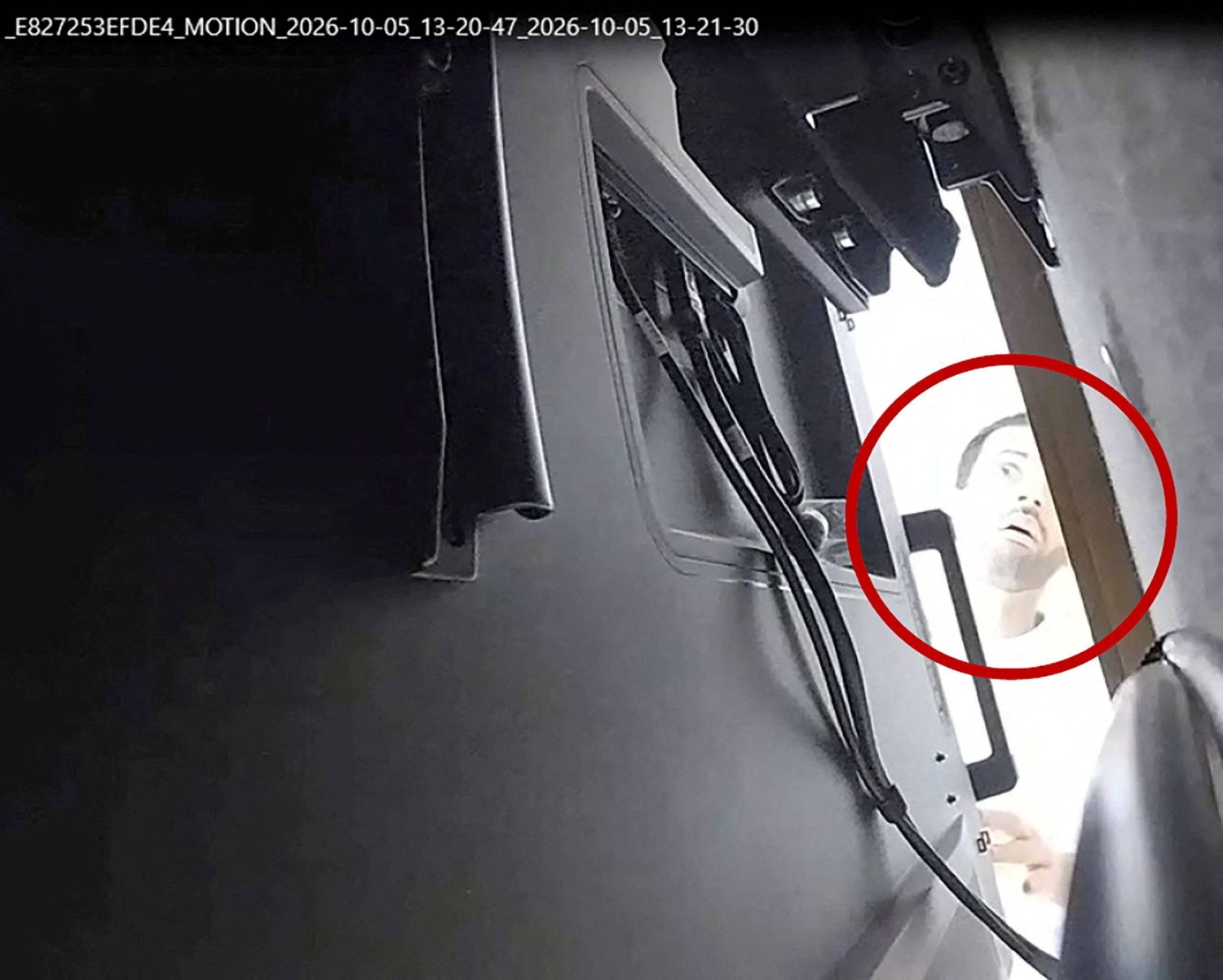
Zacti began offering Alert AI+, which uses AI cameras to detect intrusions into off-limits or heavy-machinery…

Nexus Mods will require mod authors to declare whether AI was used in their work; 'AI-assisted' mods must incl…

Viral images of Jeff Bezos and Jason Statham with fuller hair are fake, The Verge's Jess Weatherbed confirmed…

Anthropic published research, code and a technical spec on GitHub for FlashProve, an open source system that g…
Apple said in its annual filing that AI agents can act autonomously — accessing systems, executing code, sendi…