
Arista Networks achieved its first $3 billion quarter, with revenue up 37.7% year over year.
The company raised its full-year 2026 outlook to about $12.6 billion, citing strong AI fabrics growth.
Etherlink switches now serve over 100 customers, up from just a few in 2024.
What happened
Arista Networks reported its first-ever $3 billion quarter, with revenue up 37.7% year over year to $3.04 billion, beating guidance of $2.8 billion. Adjusted EPS came in at $1.02, ahead of the $0.88 consensus estimate.
Why it matters
The company raised its full-year 2026 revenue outlook to approximately $12.6 billion, representing 40% annual growth, its third guidance increase this year. AI fabrics, via its Etherlink switches, now serve more than 100 cumulative customers, up from just four or five in 2024, driving the optimism.
What to watch
Management targets at least $3.6 billion in AI fabrics revenue for 2026. Citi raised its price target to $215, and Evercore ISI to $250. The next catalyst is Q3 earnings in early November, with the 1.6 terabit product cycle in customer trials through the second half of 2026.
Ask the AI about this article →
Arista's first $3 billion quarter marks a turning point in the AI networking narrative. The revenue surge of 37.7% year over year, beating guidance, underscores strong demand for its AI fabrics, which now serve over 100 customers. This expansion from just a few customers in 2024 validates CEO Jayshree Ullal's "Arista 2.0" platform strategy, positioning networking as a central nervous system for AI infrastructure. The raised guidance to $12.6 billion for 2026, the third increase this year, reflects growing confidence in sustained hyperscaler spending, though the company flagged supply chain tightness and rising component costs as challenges.
The stock's valuation, trading at a trailing P/E above 60x, well past its five-year average near 41x, suggests the market expects significant future growth. However, the valuation model, assuming a 25% revenue CAGR and 35x exit multiple, estimates a target price of $227, implying modest 12.1% upside. This caution reflects potential multiple compression and concerns about hyperscaler capital spending sustainability. The company's moat lies in its EOS operating system, which management argues is foundational for reliable AI accelerator communication, giving it an edge over competitors like Cisco and Ciena. Yet, customer concentration among large cloud partners remains a risk, as any pause in their spending could hit Arista harder.
Looking ahead, the next catalyst is Q3 earnings in early November, where investors will seek confirmation that the $12.6 billion target is achievable. Supply chain execution is critical, with multiyear purchase commitments rising to $9.7 billion to secure components. The 1.6 terabit product cycle, featuring liquid cooling, is in trials through 2026, with production expected in 2027. Insider selling by the CEO and other executives, though under pre-established plans, has drawn attention, but the focus remains on execution against raised guidance.
AI-summarized, only the topics you pick — one digest a day via Email, Slack, or Discord.
Free · takes 30 seconds · unsubscribe anytime
Ask AI anything about this article. Q&As are published on this page for other readers too.
The article compares Seagate Technology and Western Digital as AI storage investments for dividend investors…
Uber has reduced its AI costs even as usage has increased, according to an exclusive report from Axios

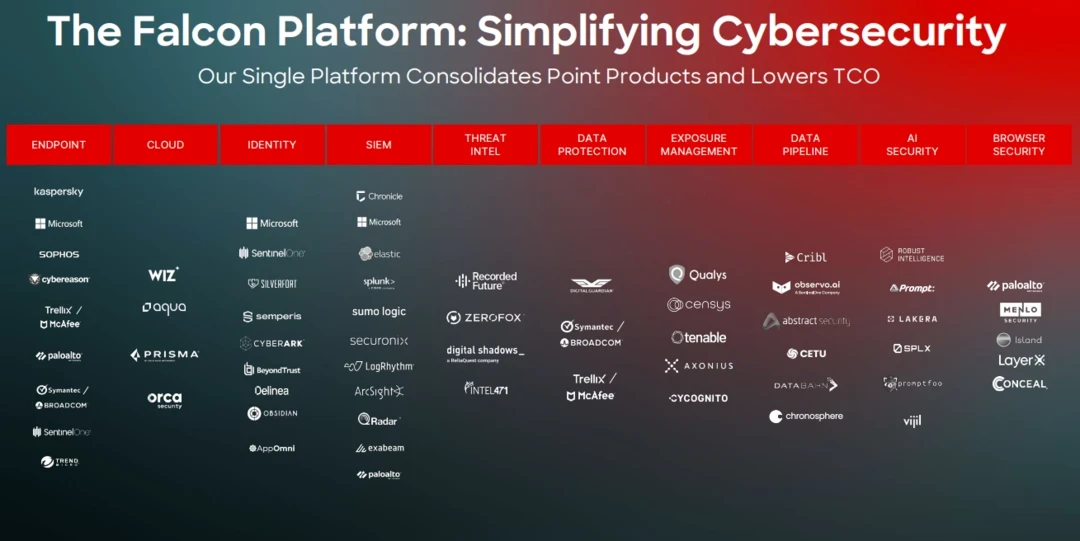
CrowdStrike reported second-quarter net income of $5.3 million, or a penny a share, on revenue of $1.47 billio…
Adobe (ADBE) shares rose 4.4% today

CrowdStrike and Okta shares surged after earnings showed AI adoption is boosting cybersecurity spending
Clearlake Capital and Google Cloud have formed a strategic partnership to deliver full-stack enterprise AI acr…