What happened
Meta released Muse Glimmer today, a 30-billion-parameter multimodal model distilled from Muse and licensed under Apache 2.0. It handles text, images, and video inference locally and supports tool calling. Day-0 support ships in transformers, llama.cpp, vLLM, and Inference Endpoints.
Why it matters
The model is designed for privacy-aware local use—coding, document analysis, personal assistants—without sending data to external servers. Smaller size (30B parameters) reduces deployment costs and hardware requirements compared to larger proprietary models, making it accessible to developers and organizations building agentic applications.
What to watch
Muse Glimmer ranks first on multiple agentic benchmarks (MCP Atlas: 75.5, DeepSearch QA: 74.6, WildClawBench: 47.6) and achieves 76.0 on SWE-Bench Verified for coding tasks. The optional speculative decoding drafter can speed up generation, particularly for structured content like code.
Summaries like this, in your inbox every morning.
Meta's release of Muse Glimmer represents a significant move toward making powerful multimodal AI accessible for local, privacy-preserving deployment. By distilling the larger Muse model to 30 billion parameters and open-sourcing it under Apache 2.0, Meta is addressing the growing demand from developers and organizations that need AI capabilities without relying on cloud APIs or sharing sensitive data with external providers. The model's architecture—combining a 2-billion-parameter vision encoder with a 28-billion-parameter text decoder—is purpose-built for agentic use cases like coding, document analysis, and personal assistants.
The immediate availability across major frameworks (transformers, llama.cpp, vLLM, and Inference Endpoints) signals a strategic effort to lower friction for adoption. The benchmark results show Muse Glimmer performing competitively on agentic tasks, leading on several benchmarks like MCP Atlas (75.5) and SWE-Bench Verified (76.0), which validate its suitability for the intended use cases of coding agents and tool-calling applications. The optional speculative decoding drafter further optimizes generation speed, particularly for structured outputs like code, addressing a practical pain point in local inference.
Pick your industry and the AI tools you use, and get news related to your work every day.
Free · 30 seconds with Google · unsubscribe anytimeWhat is AIToday? →
Ask AI anything about this article. The AI reads this article, earlier AIToday articles, and Wikipedia, and cites its sources. Q&As are published on this page for other readers too.
ElevenLabs completed a $300 million employee tender at a $22 billion valuation, and co-founder Mati Staniszews…

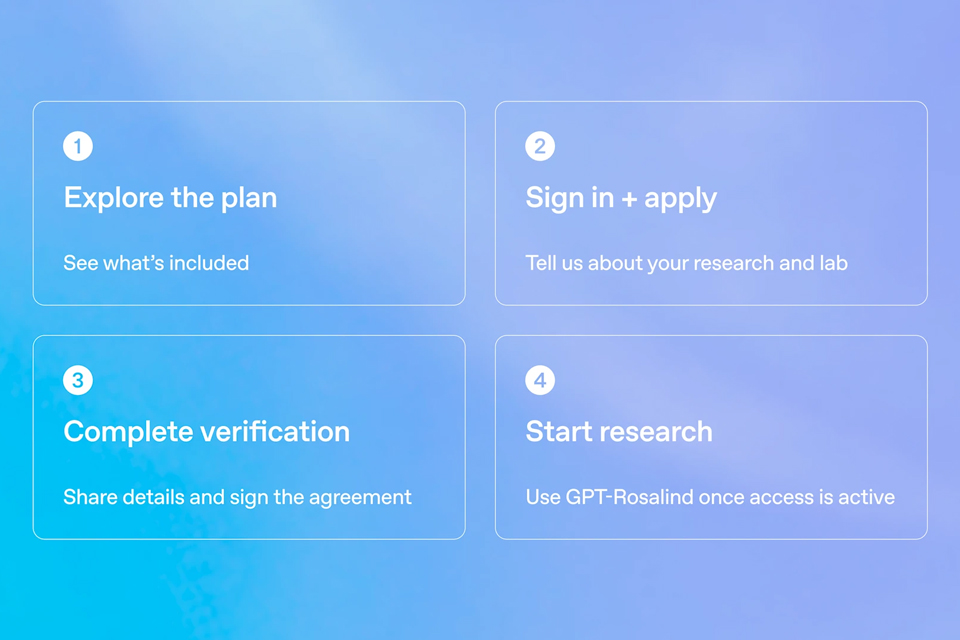
On October 15, OpenAI announced the Rosalind Academic Plan, giving approved US university labs free access to…
A Qiita article compared automated red-teaming methods for LLM apps — GCG, PAIR, and TAP — using mock implemen…

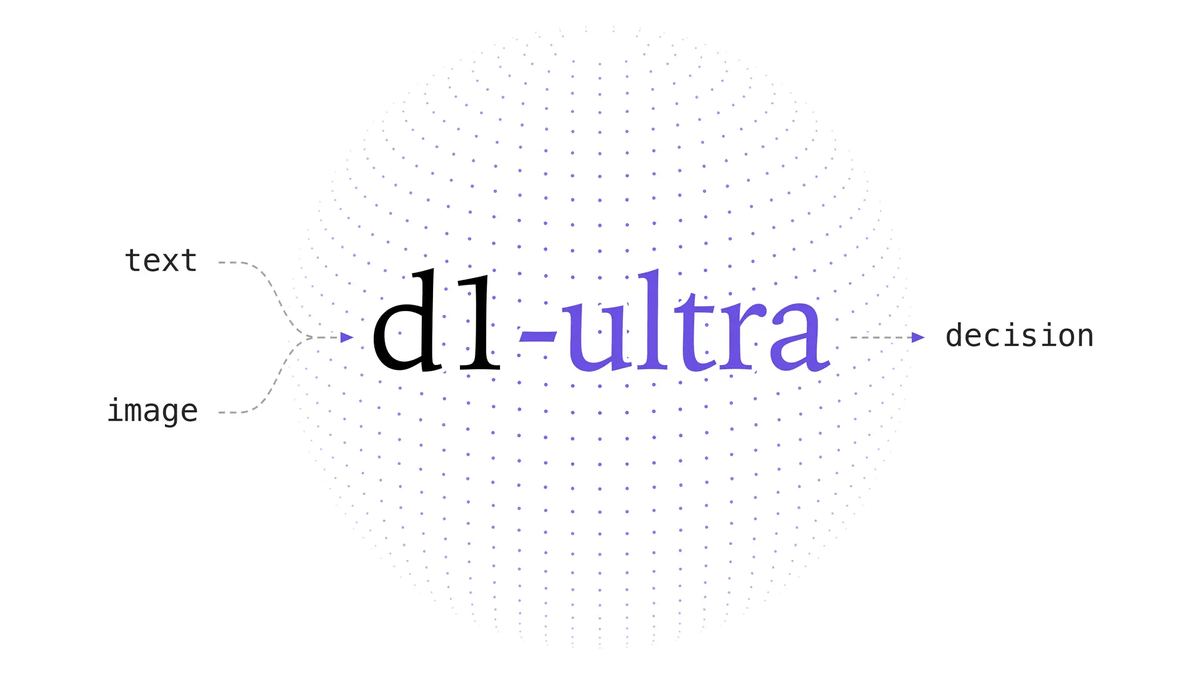
Liquid AI released d1-ultra on October 15, 2026, an upgraded open-weights decision model that averaged 76.7 ac…
Circlia started a proof-of-concept for TASTE SIGNAL: visitors to Holland Village Cafe FUKUOKA taste cookies an…

In a webinar hosted by French Mathematical Society president Isabelle Gallagher, Fields Medal winner Hugo Dumi…

