What happened
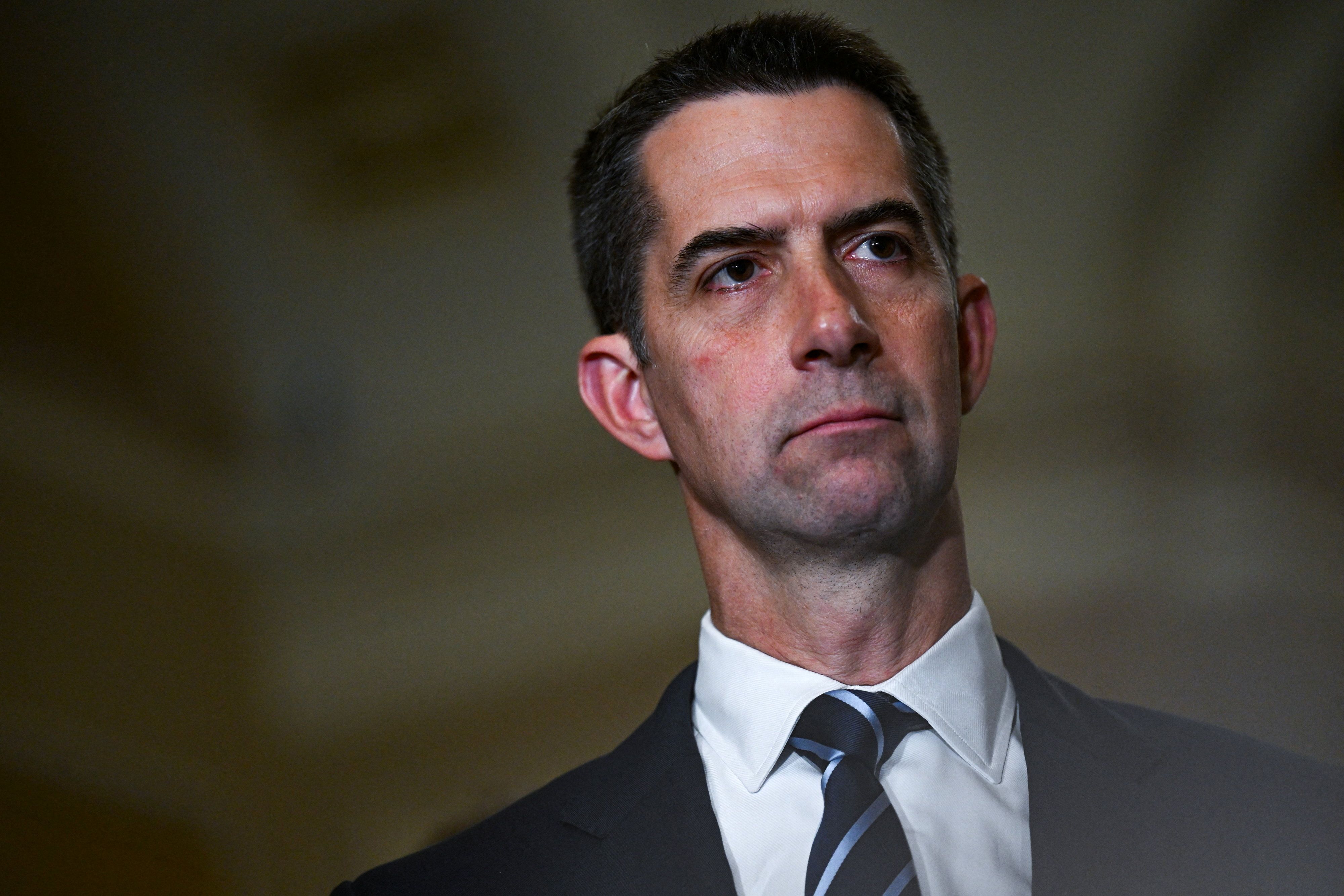
Senator Tom Cotton (R-Ark.) sent a letter to Commerce Secretary Howard Lutnick on Wednesday calling for the US government to ban government agencies and contractors from using Chinese AI models, citing security risks from potential backdoors in open-source Chinese models.
Why it matters
Cotton argues that American companies doing business with the US government should not compromise national security for profit. The concern reflects growing use of Chinese open-source AI models in the US, which he views as a vulnerability that could expose government and contractor systems.
What to watch
Cotton also urged the Trump administration to tighten export controls on advanced compute and chipmaking equipment, and to "actively nurture an open AI ecosystem in the US to rival" China's, given that leading US models are mostly closed.
Summaries like this, in your inbox every morning.
Senator Cotton's letter reflects a widening national security debate within the Trump administration over Chinese technology's role in American infrastructure. The timing aligns with growing adoption of open-source Chinese AI models (such as those developed by companies like DeepSeek) among US developers and companies, driven by their accessibility and lower costs compared to proprietary American alternatives. Cotton's distinction between open-source and closed models is significant: he notes that leading US AI models are mostly closed (controlled by single companies), while China has built a more distributed open ecosystem that is easier for American firms to adopt—a competitive asymmetry he views as strategically dangerous when government and contractor systems are involved. The letter bundles three concerns: immediate security (backdoors in existing models), supply-chain vulnerability (chipmaking equipment), and strategic competition (the need for a US-led open AI alternative). Commerce Secretary Lutnick's lack of public response leaves the administration's stance unclear, though Cotton's framing—as a Republican with defense credentials—may carry weight in policy discussions.
Pick your industry and the AI tools you use, and get news related to your work every day.
Free · 30 seconds with Google · unsubscribe anytimeWhat is AIToday? →
Ask AI anything about this article. The AI reads this article, earlier AIToday articles, and Wikipedia, and cites its sources. Q&As are published on this page for other readers too.
Hewlett Packard Enterprise stock is down 5% at $55.87

The Motley Fool argues Amazon is the AI company of the two, since AWS was just 21% of first-half 2026 revenue…

Meta's new commercial terms, effective October 30th, appear to let it crawl and train AI on content from websi…
Vercel data published Thursday shows TypeSafe AI's Jev, a lightweight decision model for choosing among predet…
Chunghwa Telecom president Rong-shy Lin said the shift from conversational AI to autonomous AI agents is resha…

CoreWeave fell 5% in premarket trading Friday and was on track to finish the week down 15%, after rebounding f…