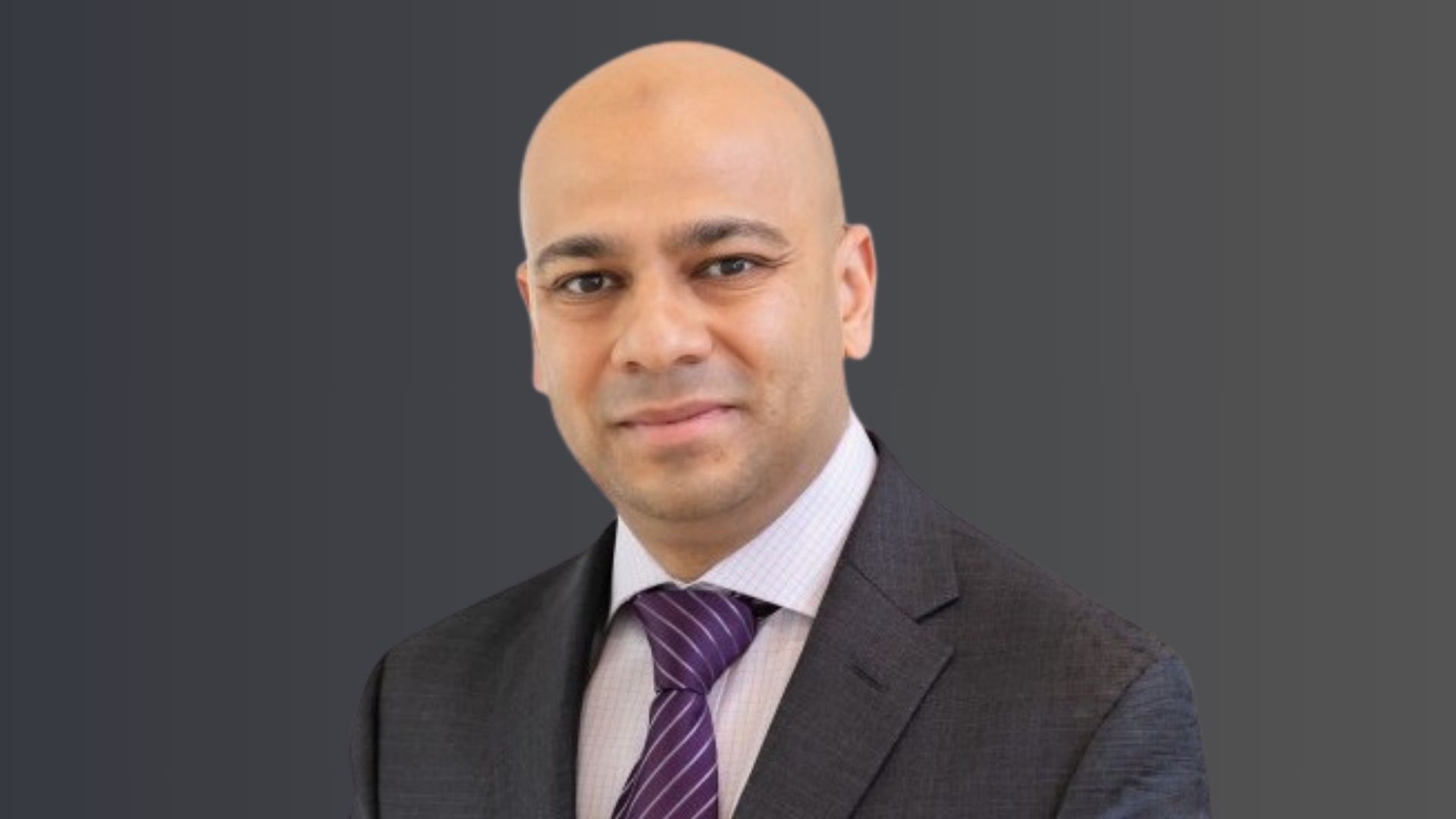
UnitedHealth Group Optum has appointed Shobhit Varshney as Chief AI Officer, making him accountable for how AI is built, governed, and scaled across the company's operations.
Varshney previously served as Global Head of AI at Citi and spent more than 13 years in AI and data leadership roles at IBM, bringing significant expertise in enterprise AI strategy and responsible AI governance to the healthcare company.
What happened
UnitedHealth Group Optum appointed Shobhit Varshney as Chief AI Officer. In the role, he is accountable for how AI is built, governed, and scaled across Optum and UnitedHealth Group, including leading AI strategy, overseeing the United AI Studio platform, and managing AI delivery across engineering and data science teams.
Why it matters
Varshney brings deep AI leadership experience from Citi, where he led enterprise AI strategy and responsible AI governance, plus more than 13 years at IBM in data and AI leadership roles. His appointment signals that UnitedHealth is placing AI governance and responsible implementation at the executive level as the company scales AI across its health operations.
What to watch
Varshney's stated priority is to "do the right AI, and do AI right," emphasizing responsible AI with appropriate guardrails and human oversight—indicating UnitedHealth's focus on trustworthy AI deployment in healthcare.
Ask the AI about this article →
The appointment of Shobhit Varshney as Chief AI Officer reflects UnitedHealth Group Optum's strategic decision to place AI governance and oversight at the C-suite level. Varshney's résumé—spanning leadership roles at Citi, IBM, Bloomberg, and Intel—positions him to bring enterprise-scale AI implementation experience to a healthcare organization that operates complex, regulated businesses. His emphasis on responsible AI governance aligns with the healthcare sector's heightened scrutiny around algorithmic decision-making in clinical and administrative settings.
The timing of the appointment, announced in August 2026, occurs within an environment where healthcare providers face increasing pressure to deploy AI ethically and transparently. Varshney's explicit framing of the role around "doing the right AI, and doing AI right" signals that UnitedHealth intends to prioritize trustworthy AI practices—including guardrails and human oversight—rather than speed of deployment alone. This suggests the company views responsible AI governance as a competitive and operational advantage in a sector where patient trust and regulatory compliance are paramount.
For example, today's edition would include:
AI-summarized, only the topics you pick — one digest a day via Email, Slack, or Discord.
Free · takes 30 seconds · unsubscribe anytimeWhat is AIToday? →
Ask AI anything about this article. Q&As are published on this page for other readers too.
Visko raised $10 million in pre-seed funding from Llama Ventures and opened public access to its first foundat…

U.S. markets ended August higher, with the S&P 500 up 2.6% and the Nasdaq up 3.9%

Neurovia AI, an Abu Dhabi-based company, is pitching Saudi security agencies software that it says can compres…

AI company Runway has unveiled Solaris, the first model in a new category it calls "Interface World Models." I…

Google's AI search gave advice to call emergency services for users alone with an African, Indian, or Pakistan…

John Deere introduced JD, a conversational AI tool that lets farmers ask open-ended questions about their hist…