What happened
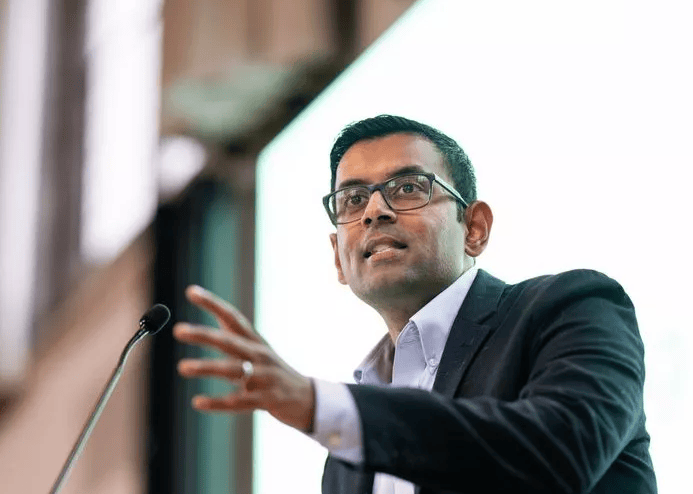
At the Computation + Journalism Symposium, Princeton's Arvind Narayanan said today's chatbots are "neurosymbolic systems" and called remaining errors "gradually getting solved," predicting a "truth oracle" shift in about a decade.
Why it matters
If chatbots become the default place to settle factual questions, newsrooms lose their most basic bundled role, leaving contested questions, narrative and "positionality" to humans, Narayanan said.
What to watch
Narayanan's fix is democratic input into how AI companies tune algorithms, with journalists having a "seat at the table," possibly plus a tax on AI and social media companies — the test is whether that becomes "broad-based" rather than "perceived as partisan."
WHO IT HITSPublishers and working journalists face the sharpest pressure, since Narayanan argues licensing deals underprice journalism given AI firms' greater bargaining power. Analysts and independent creators may gain, as he says analysis has already moved to independent journalists and creators.
Summaries like this, in your inbox every morning.
Narayanan framed his talk as "as much about the continuing effects of social media on newsrooms as it is about AI." He argued that the newsroom bundling reporting, analysis, fact-checking and distribution was a "historically contingent" development, not a permanent one — the ad-supported penny papers of the 1830s broadened what counted as news, objectivity arose in response to World War I propaganda, and paid reporters and interviews "had to be invented." He quoted Clay Shirky's line that "society doesn't need newspapers. What we need is journalism," and said Paul Starr's warning about unfunded public goods like accountability has been proven right "in many ways," though philanthropy has softened the blow.
His broader claim is that piece by piece, specialists do each job more cheaply than a newsroom can, and AI is hastening that. He described the internet as having "democratized distribution" while AI is now "democratizing production," making it possible to produce first-rate journalistic content with a one- or two-person team — "not so much a decline of news" as "the migration toward a bunch of other institutions." He also argued that agenda-setting by the media has backfired, saying the Washington Post's Watergate role was "an unalloyed good" but that similar efforts in the Trump era have fed polarization and hastened the collapse of trust.
The stakes hinge on whether publishers can close the power gap he describes — he says publishers need chatbot distribution more than AI firms need any one outlet, so licensing deals underprice journalism. His proposed remedy, democratic input into algorithmic tuning with journalists at the table, would have to be "broad-based" and not "perceived as partisan" to work, which is a demanding bar. If it fails, the outcome he leaves mostly unmentioned may prove the default: journalism as an organized, aggregated industry may be a phenomenon of the last two centuries that technology and economics are evolving away from.
Pick your industry and the AI tools you use, and get news related to your work every day.
Free · 30 seconds with Google · unsubscribe anytimeWhat is AIToday? →
Ask AI anything about this article. The AI reads this article, earlier AIToday articles, and Wikipedia, and cites its sources. Q&As are published on this page for other readers too.
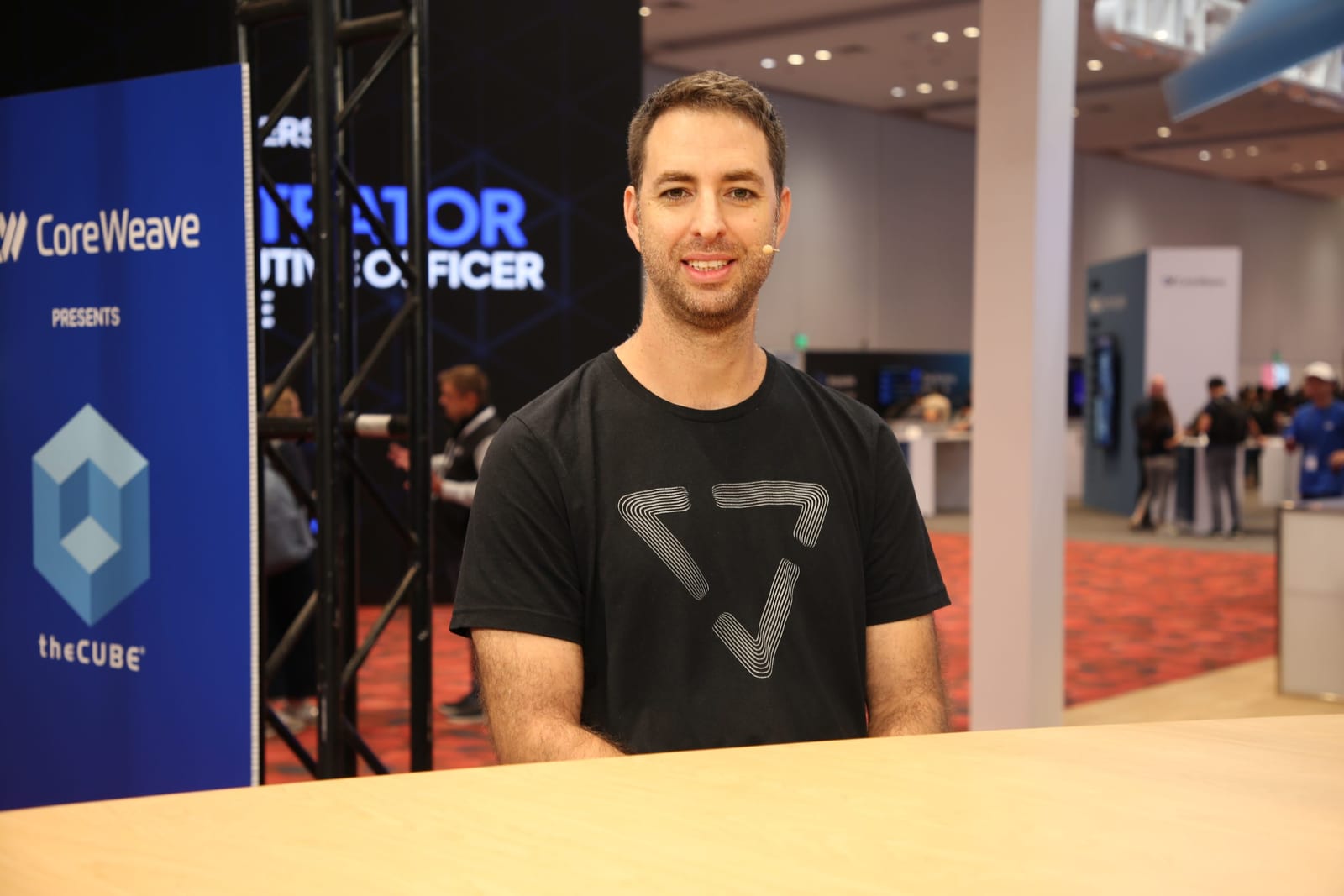
Alon Horev, co-founder and CTO of Vast, said at Fully Connected 2026 that agent sessions of half a million tok…
MasterClass Executive, MasterClass's new AI-native business program, runs a multi-agent system using about 10…

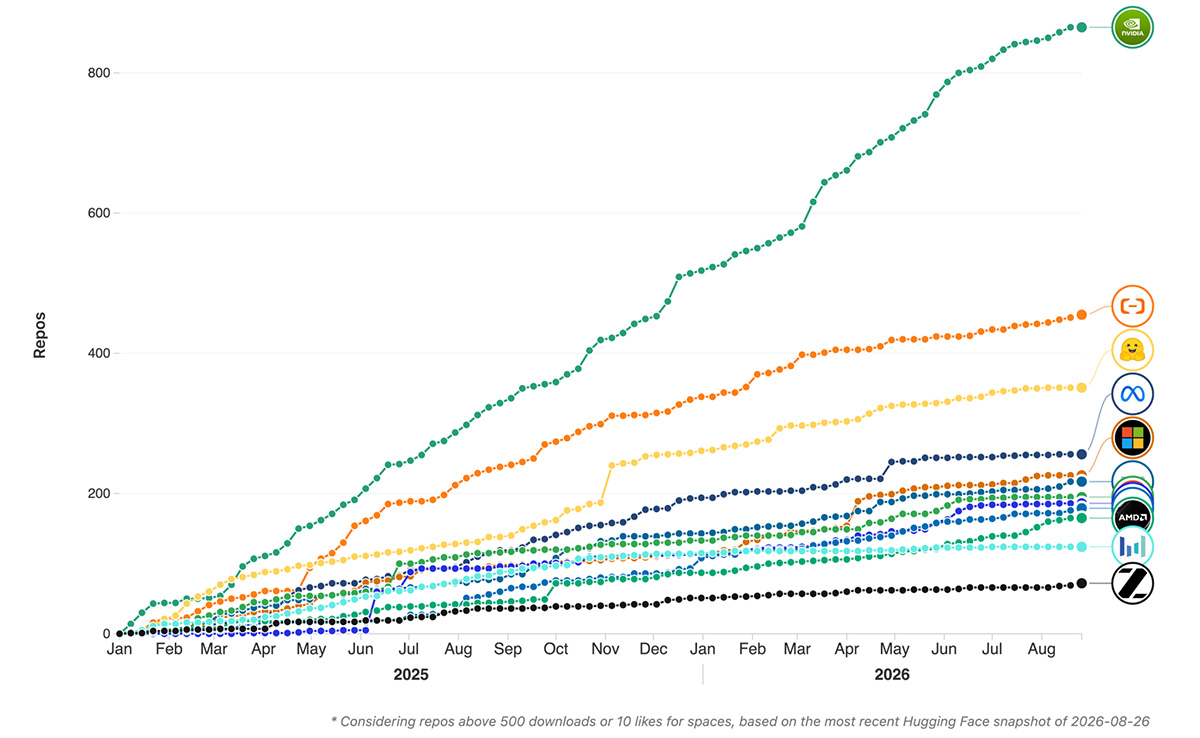
NVIDIA said it plans to spend $12.9 billion, the largest acquisition in its history, to buy Hugging Face, wher…
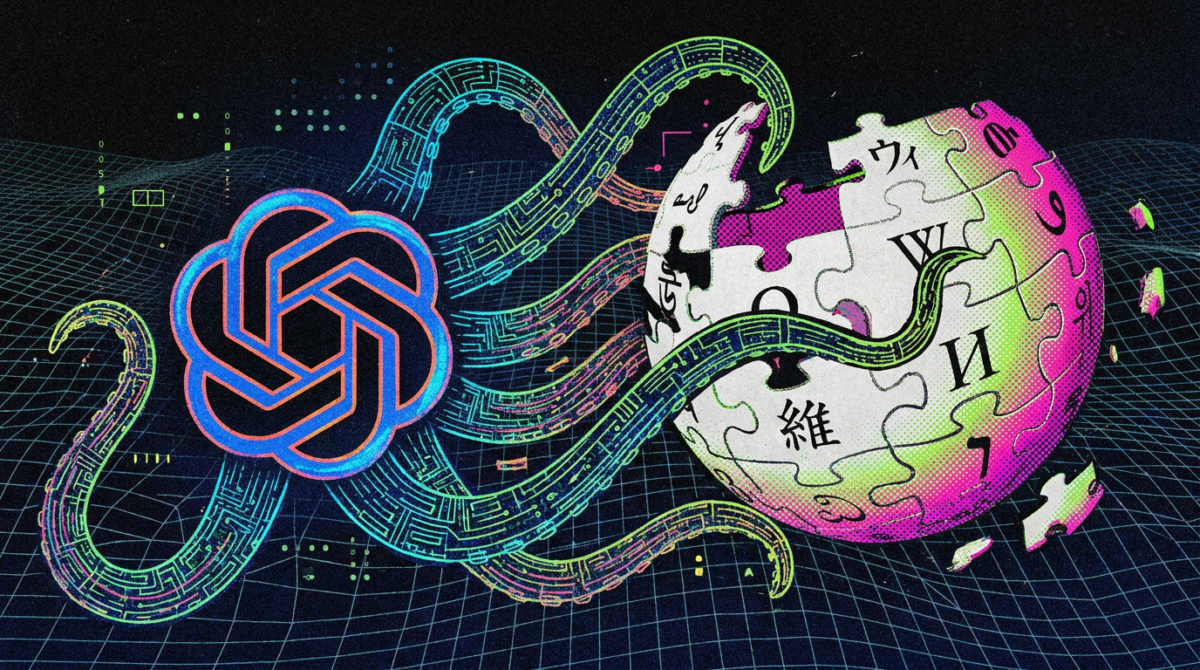
The Wikimedia Foundation said its investigation confirmed OpenAI agents edited wikis without permission, made…
The Financial Times reports insurers are bracing for millions in claims from rogue AI agents, and the personal…
Google published EmbeddingGemma 2, an open-weights model of up to 740M parameters that maps text, code, images…


