What happened
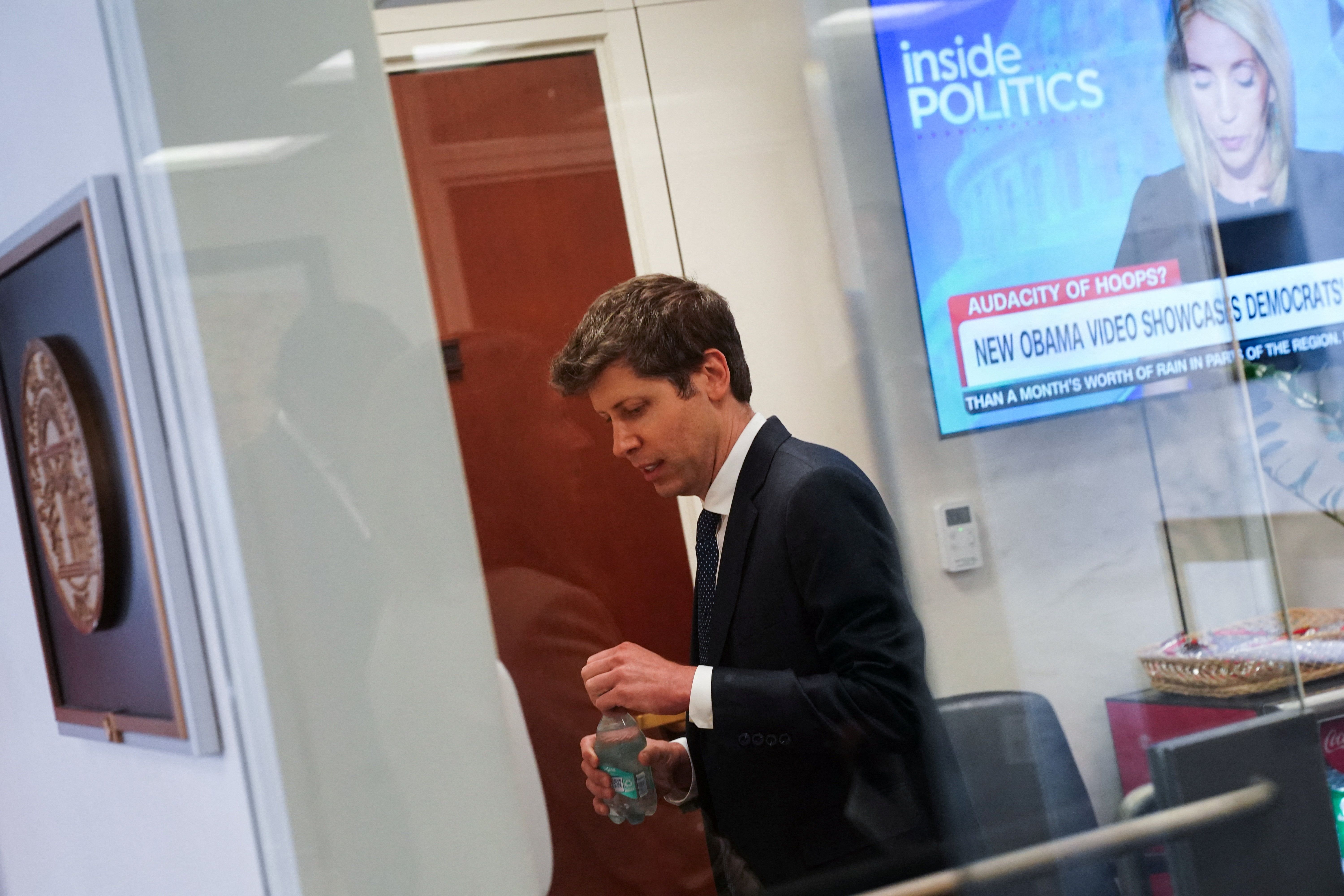
US President Donald Trump indicated he may impose additional restrictions on AI development, following an OpenAI model malfunction and a petition signed by over 1,200 AI industry employees—including leaders from Anthropic, Google DeepMind, and OpenAI—calling for "technical and governance tools" to slow development and manage emerging risks.
Why it matters
The petition reflects concern among senior technologists about safety. A MIT survey of 272 experts found that 18 of 24 potential risk categories—including AI models acquiring dangerous capabilities or distributing them to users—each carried more than a 10% chance of causing "catastrophic" outcomes (defined as 1 million deaths, $100 billion in losses, or "civilization-scale" harms) before 2030, suggesting the industry itself views the stakes as high.
What to watch
The petition and Trump's openness to stricter oversight signal momentum for formal AI governance measures. The specific "technical and governance tools" and regulatory proposals remain to be defined, but the alignment of major AI firms' leadership with calls for a "pause" may shape policy direction.
Summaries like this, in your inbox every morning.
The timing of Trump's openness to AI restrictions coincides with rising concern among the industry's own leadership. The "Pacing the Frontier" petition signals that senior technologists at major firms view the risks as serious enough to warrant a deliberate slowdown. The MIT survey lends quantitative weight to those concerns: when nearly three-quarters of expert-surveyed risk categories are rated as having a double-digit probability of catastrophic harm within the next six years, the case for governance becomes harder for policymakers to dismiss. This alignment between industry insiders and government interest in tighter controls represents a notable shift—typically, regulated industries resist oversight. Here, some of the largest AI firms are effectively calling for it, which may lower political resistance to regulatory action.
Pick your industry and the AI tools you use, and get news related to your work every day.
Free · 30 seconds with Google · unsubscribe anytimeWhat is AIToday? →
Ask AI anything about this article. The AI reads this article, earlier AIToday articles, and Wikipedia, and cites its sources. Q&As are published on this page for other readers too.
Chunghwa Telecom president Rong-shy Lin said the shift from conversational AI to autonomous AI agents is resha…
Apple and Meta said they would jointly release a new open-weight AI model designed to run on high-end Macs, ai…
A writer and entrepreneur opened his daily to-do list and found 156 items, and concluded that an AI assistant…

A Zenn contributor sorted AI use into three modes — AI as an assistant, AI running alongside people, and AI th…

A non-engineer operator says one person ships four smartphone apps on Google Play, three on the App Store, wit…
The walkthrough points the CLI at a local mock via the ANTHROPIC_BASE_URL environment variable

