What happened
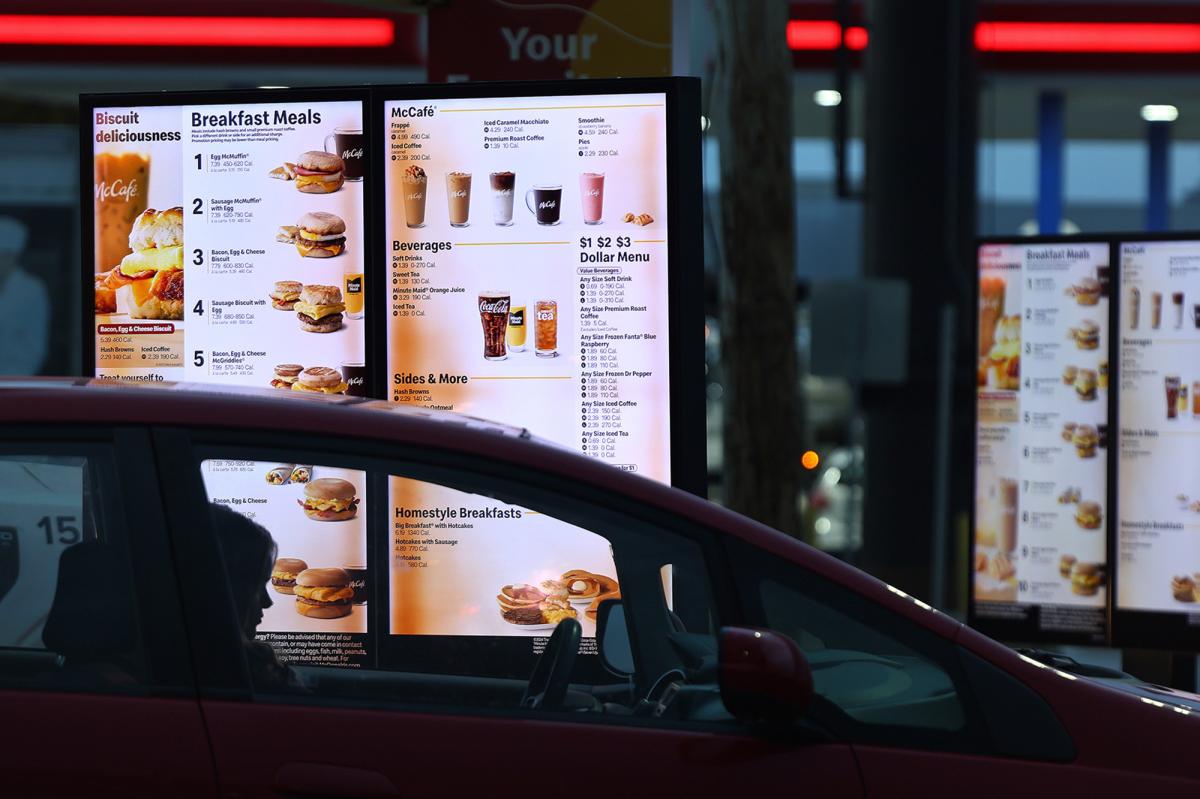
McDonald's has pushed franchisees to use an AI algorithm analyzing data across its 14,000 restaurants to estimate 'customer willingness to pay in your area,' per Reuters. At a Fresno store a Big Mac costs $5.69, but two miles away it is $6.89.
Why it matters
Franchisees told Reuters the algorithm widened price gaps on identical items within the same neighborhoods, and five owners said McDonald's pressured them to use the tools, which appear to raise antitrust and surveillance-pricing concerns.
What to watch
The test is whether franchisees keep the final say, since McDonald's says the tool only suggests prices. Watch the ongoing lawsuit from Connecticut franchisee George Michell, who alleged the AI suggested an $18 Big Mac meal.
WHO IT HITSFranchisees face pressure to adopt the pricing tool and may see wider price gaps across their locations. Regulators and consumer advocates may scrutinize the algorithm as a potential antitrust or surveillance-pricing issue.
Summaries like this, in your inbox every morning.
McDonald's has leaned into value meals and tried to lower prices where possible to draw back low-income and inflation-battered customers, because the company makes most of its money by taking a chunk of franchisees' total revenue, so their profit margins matter less to corporate. Franchisees, however, face rising costs and have been reluctant to slash prices or add deals, with some ignoring the company's repeated suggestions. During the company's August earnings call, CEO Chris Kempczinski called out the roughly one-third of franchisees who did not implement the Under $3 Menu, saying their 'business results (were) a lot softer.'
The tension has legal dimensions. In January, McDonald's updated its business standards to require franchisees to be 'constructively engaging with McDonald's approved Pricing Consultant and Tools.' A franchisee document showed the company had started tracking in detail how much restaurants deviated from suggested prices. George Michell, a Connecticut franchisee, sued McDonald's after his restaurant was flamed online for charging $18 for a Big Mac meal, alleging the AI tools suggested that price; McDonald's has disputed the claims and alleged Michell repeatedly violated his franchise agreements. The case is ongoing, though claims related to McDonald's breach of conduct have been dismissed.
How this plays out likely hinges on whether franchisees retain real discretion over pricing and whether regulators act on antitrust concerns. The pricing portal's legal terms warn that franchisees risk antitrust scrutiny since other franchisee owners using the same tool may be considered 'competitors.' McDonald's said it takes its responsibility to follow all laws seriously and is committed to complying with those laws. For franchisees, the question is whether the tools remain advisory or become a de facto mandate.
Pick your industry and the AI tools you use, and get news related to your work every day.
Free · 30 seconds with Google · unsubscribe anytimeWhat is AIToday? →
Ask AI anything about this article. The AI reads this article, earlier AIToday articles, and Wikipedia, and cites its sources. Q&As are published on this page for other readers too.
The Motley Fool argues Amazon is the AI company of the two, since AWS was just 21% of first-half 2026 revenue…

Hewlett Packard Enterprise stock is down 5% at $55.87

Vercel data published Thursday shows TypeSafe AI's Jev, a lightweight decision model for choosing among predet…

Chunghwa Telecom president Rong-shy Lin said the shift from conversational AI to autonomous AI agents is resha…

CoreWeave fell 5% in premarket trading Friday and was on track to finish the week down 15%, after rebounding f…

Apple and Meta said they would jointly release a new open-weight AI model designed to run on high-end Macs, ai…


