
What happened
Dropbox CTO Ali Dasdan says he raised AI tool adoption among engineering, product, and design teams from under 40% to full adoption using training, hackathons, and AI superusers.
Why it matters
Dasdan's bottom-up approach lets departments choose their own AI tools rather than having IT mandate them. Hundreds of custom apps have been created by non-technical employees.
What to watch
The test is whether this decentralized model scales. Dasdan notes token spending is a budget item all departments must track as AI usage grows.
WHO IT HITSEnterprise IT leaders and department heads at large companies can look to Dropbox's approach as a case study for driving AI adoption: leadership sets support, removes barriers, and employees choose their own tools.
Summaries like this, in your inbox every morning.
Ali Dasdan joined Dropbox as CTO in March 2025, coming from ZoomInfo with plans to start his own agentic AI company before Dropbox CEO Drew Houston convinced him to join. At the time, less than 40% of Dropbox's engineering, product, and design teams were using AI tools. Dasdan achieved full adoption across that population by focusing on training, hackathons, AI superusers, and clear metrics on how tools like Claude, Codex, and Cursor speed up work.
The approach Dasdan describes is deliberately bottom-up: leadership removes barriers, and employees experiment on their own. Beyond engineering, Dropbox made ChatGPT Enterprise widely available and approved AI features in Workday, Slack, and Zoom. Non-technical workers have used Lovable to build their own applications, and the company created Nova, an internal platform for coding agents that non-developers can also access in a monitored environment. This reflects a broader pattern where AI spending is moving outside IT budgets, though Dasdan acknowledges token costs are a budget item every department must measure as usage grows.
The stakes for Dropbox hinge on whether this decentralized model produces sustained efficiency gains in customer support and security work without creating cost or compliance problems. For other companies watching, the question is whether letting employees pick their own AI tools at scale delivers results or creates unmanaged risk.
Pick your industry and the AI tools you use, and get news related to your work every day.
Free · 30 seconds with Google · unsubscribe anytimeWhat is AIToday? →
Ask AI anything about this article. The AI reads this article, earlier AIToday articles, and Wikipedia, and cites its sources. Q&As are published on this page for other readers too.
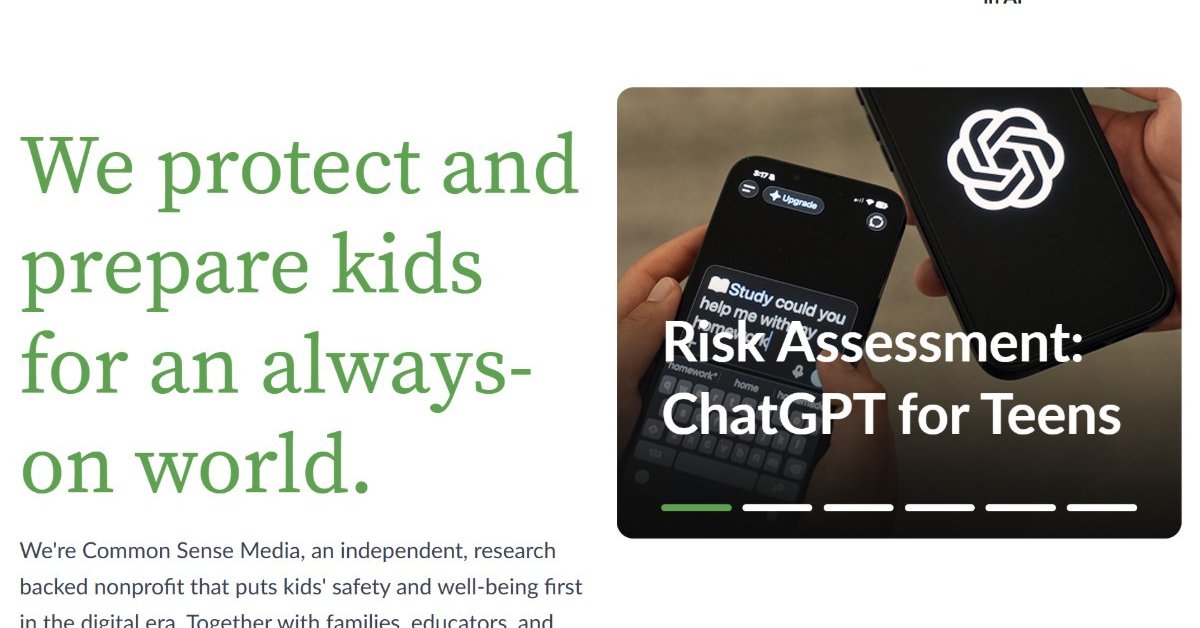
Common Sense Media's Youth AI Safety Institute tested ChatGPT for Teens with over 4,000 prompts and rated it "…
TSMC's third-quarter revenue reached about NT$1.49 trillion ($46.7 billion), up 50% year on year and above the…
Neil Patel named Alphabet one of the best AI stocks to consider buying in October with $1,000, citing a forwar…
Microsoft opened preorders on October 7 for the Surface Laptop Ultra, from $2,599 and shipping October 16, and…

MSI Computer Japan began taking pre-orders on October 8 for the Prestige N16 Flip AI+ C1XM, a premium AI lapto…

OpenAI added GPT-6 and a new interactive interface, Intelligent UI, to ChatGPT's chat tab, starting a global r…