What happened
OpenAI says its models proved the Exponential Time Hypothesis false, proved the local smoothing conjecture in every dimension, and proved certain quantum field theories exist in four dimensions. It translated the math and computer science proofs into Lean.
Why it matters
If the proofs hold, hundreds of papers in graph theory, computational biology, databases, and computational geometry lose their foundation, and complexity theory would need rethinking, according to OpenAI and outside experts.
WHO IT HITSResearchers in complexity theory, graph theory, computational biology, and database algorithms may need to revisit results that assumed the Exponential Time Hypothesis. Mathematicians working on harmonic analysis and physicists studying quantum field theory face similar re-examination, pending independent review.
Summaries like this, every morning.
OpenAI's decision to hand the proofs to outside experts follows criticism over a previous PR incident involving Navier-Stokes, and the company now says it is not claiming scientific credit for the discoveries. The review process itself comes with trade-offs: OpenAI admits that whoever picks the first shepherds helps decide who gets involved first, and some people end up knowing more sooner than others. The three fields are being handled differently. The computer science group, led by Ryan Williams with Russell Impagliazzo and Ramamohan Paturi—two of the original proposers of the Exponential Time Hypothesis—is working unpaid and without nondisclosure agreements, and OpenAI is publishing all raw data at their request. The math result has no dedicated shepherd; OpenAI published the proof and Lean proof directly on an outside expert's advice. The physics group, led by David Gross, is holding back the AI's materials for now and plans to write up the result itself. OpenAI has also pledged $5 million to the Simons Foundation to fund workshops and conferences on AI results.
Pick your industry and the AI tools you use, and get news related to your work every day.
Free · 30 seconds with Google · unsubscribe anytimeWhat is AIToday? →
Ask AI anything about this article. The AI reads this article, earlier AIToday articles, and Wikipedia, and cites its sources. Q&As are published on this page for other readers too.
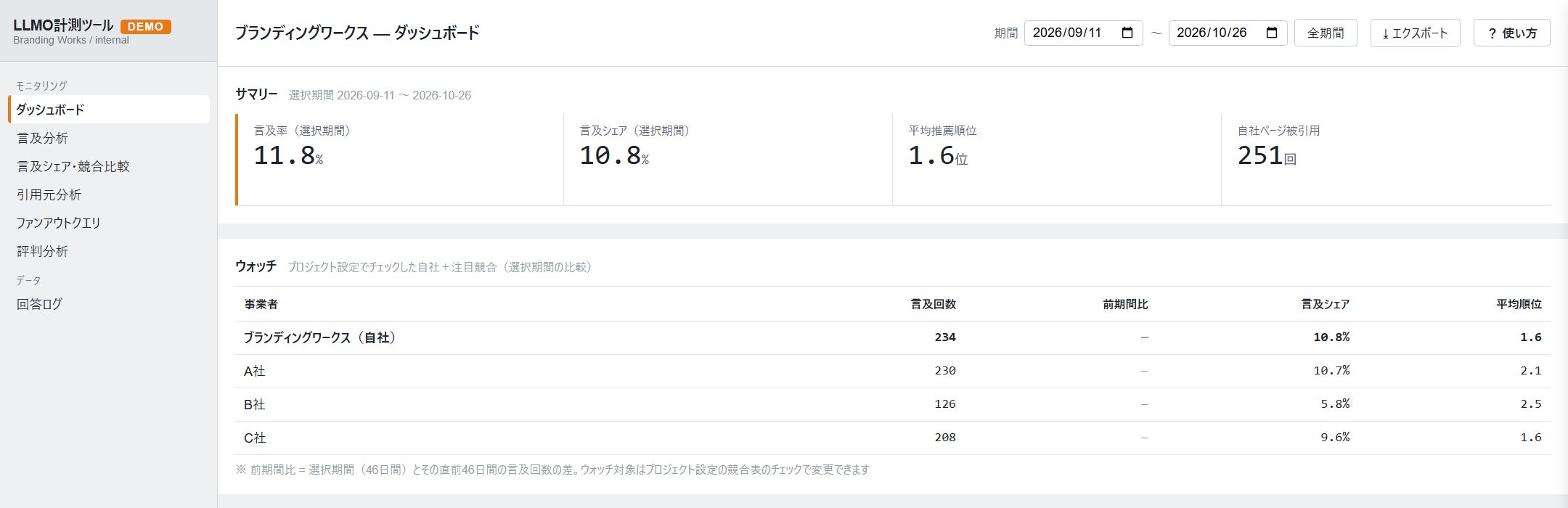
Branding Works added a feature to its LLMO measurement tool that lists, per measured question, the search term…
Nvidia committed $3 billion to Meta's equity offering, part of Meta's plan to raise up to $95 billion, and the…

In its IPO filing cover letter, Anthropic wrote that Claude's "only incentive" should be giving a helpful answ…

Axios launched Axios Direct, feeds built for AI agents instead of humans

Opera introduced WebAI, a standard for running AI models locally in its browser, starting as an early preview…

Nvidia joined Accel, Shastra VC, and Micromax in Simplismart's all-primary $14 million Series B, with Dallas V…