What happened
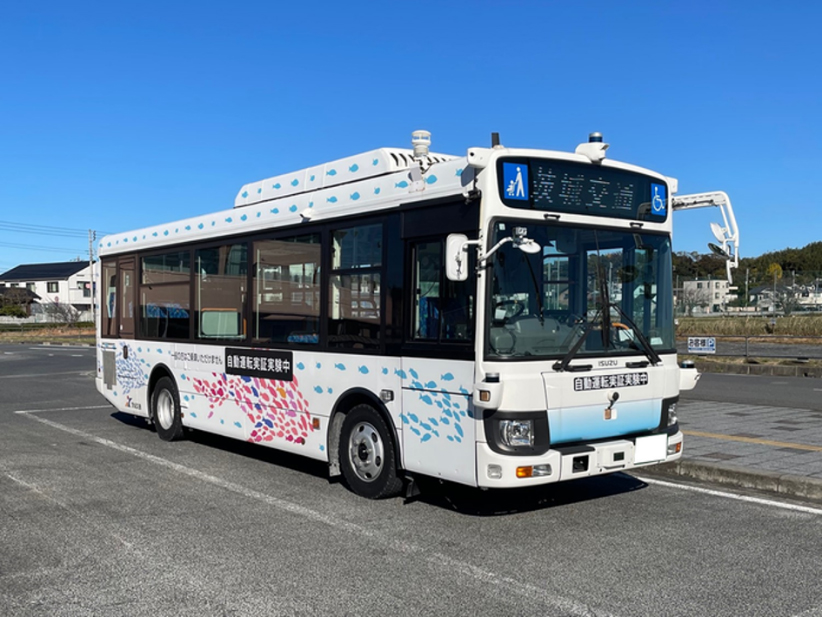
KDDI and Michinori Holdings will run a trial using AI to autonomously optimize communication quality for autonomous buses. The trial starts September 1, 2026 in Hitachi City, Ibaraki Prefecture.
Why it matters
Stable communication is essential for remote monitoring of autonomous vehicles, but building new infrastructure is costly and time-consuming. The trial uses multiple AIs to optimize base station parameters, aiming to improve 5G connectivity and reduce operational workload.
What to watch
The trial will validate whether AI-based RAN parameter optimization (adjusting base station radio settings) improves communication quality and cuts network design and adjustment work. It is part of a government-approved project supporting Level 4 autonomous driving.
Summaries like this, in your inbox every morning.
This trial builds on KDDI's broader rollout of AI-based network optimization technology, which the company and its research institute began introducing to base stations nationwide in February 2026. That earlier deployment reportedly improved communication stability by 25% and cut optimization work time by over 95%. The Hitachi trial applies this same technology to a specific use case: autonomous buses operating under Level 4 automation, where remote monitoring is mandatory. The Hitachi BRT route has been running Level 4 autonomous service since February 2025 over a 6.1 km stretch, while the Omika loop route has been testing Level 2 automation since January 2025. By applying AI-driven network tuning in this setting, the companies aim to verify whether communication quality improvements can reduce the burden on remote monitoring staff. If successful, the approach could support autonomous bus operations without requiring expensive new telecom infrastructure, potentially addressing driver shortages and underserved transport areas.
Pick your industry and the AI tools you use, and get news related to your work every day.
Free · 30 seconds with Google · unsubscribe anytimeWhat is AIToday? →
Ask AI anything about this article. The AI reads this article, earlier AIToday articles, and Wikipedia, and cites its sources. Q&As are published on this page for other readers too.
ElevenLabs completed a $300 million employee tender at a $22 billion valuation, and co-founder Mati Staniszews…

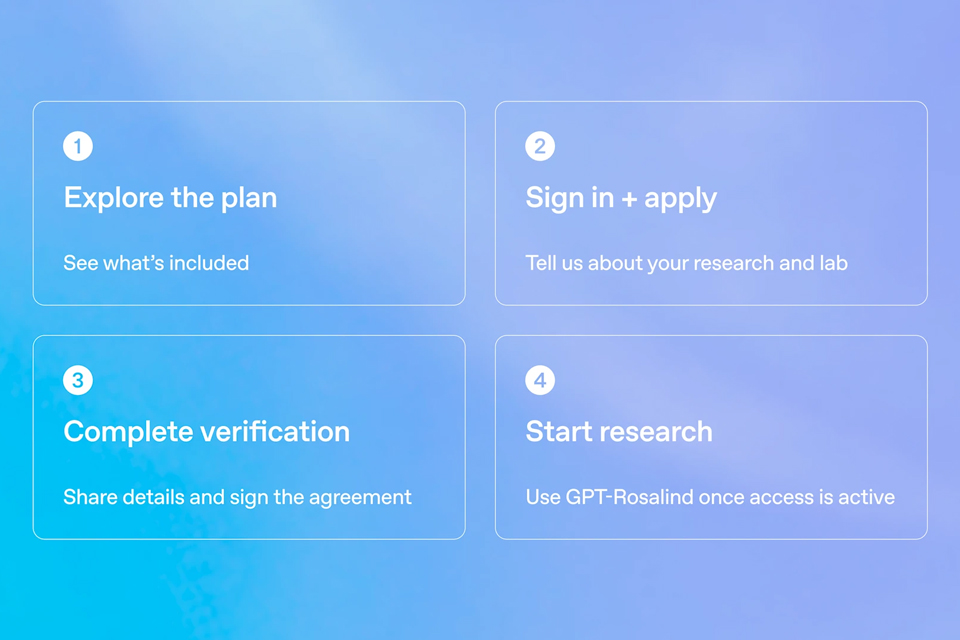
On October 15, OpenAI announced the Rosalind Academic Plan, giving approved US university labs free access to…
JR Central announced the S0系 on October 16, its first full model change since the N700S, with commercial servi…

A Qiita article compared automated red-teaming methods for LLM apps — GCG, PAIR, and TAP — using mock implemen…

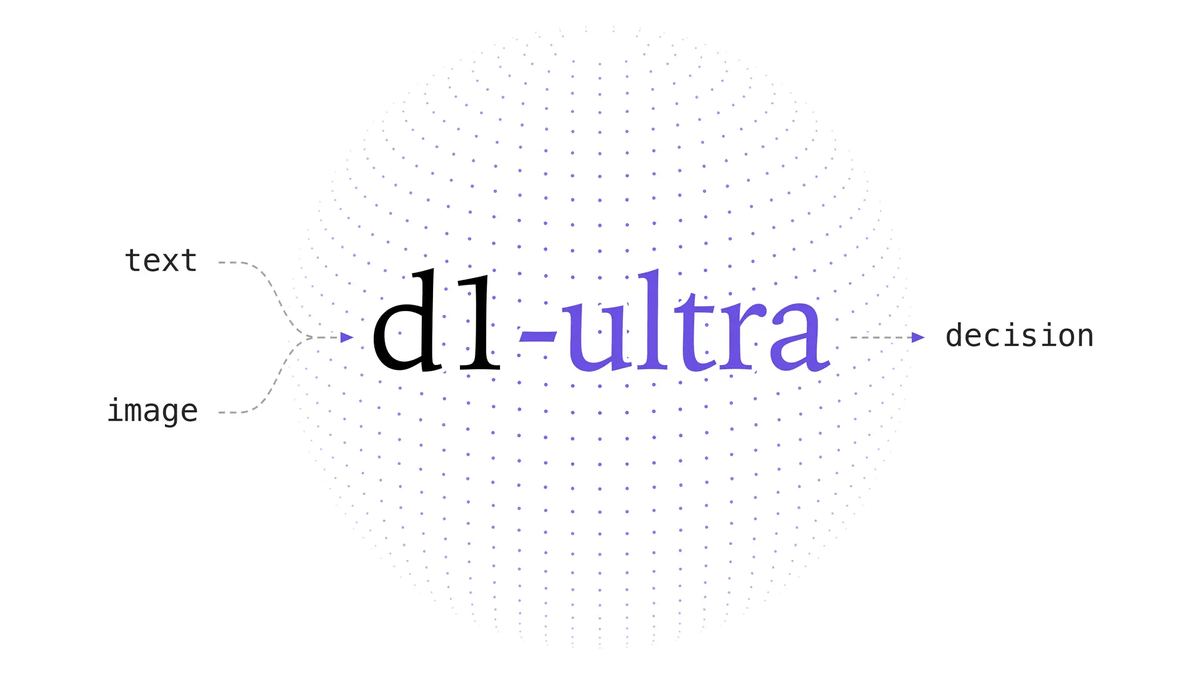
Liquid AI released d1-ultra on October 15, 2026, an upgraded open-weights decision model that averaged 76.7 ac…
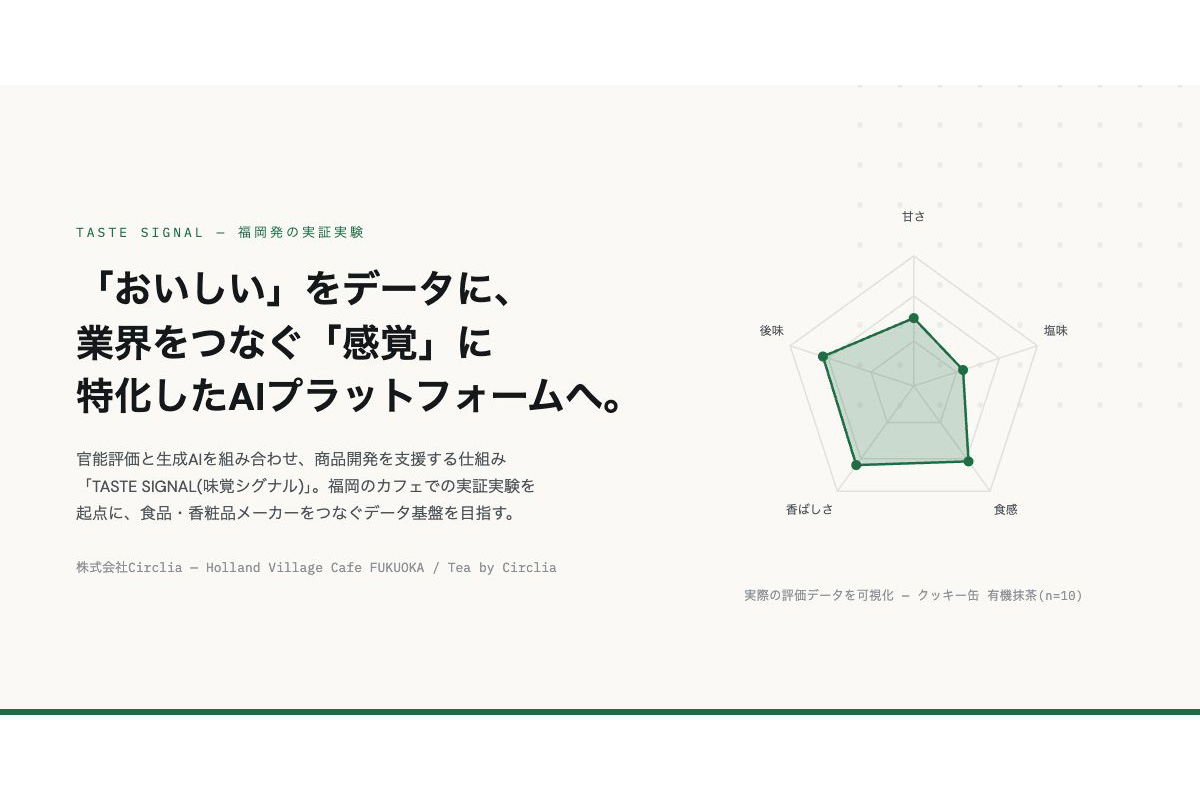
Circlia started a proof-of-concept for TASTE SIGNAL: visitors to Holland Village Cafe FUKUOKA taste cookies an…