What happened
Google signed a launch services agreement with Blue Origin to send Project Suncatcher satellites carrying TPUs into low Earth orbit, targeting a Q1 2029 launch window on Blue Origin's New Glenn rocket.
Why it matters
The deal turns Suncatcher from a research effort into a project with a scheduled ride, though Google has not announced a timeline for a fully operational constellation beyond the 2029 launch.
WHO IT HITSGoogle's cloud and infrastructure teams, along with Blue Origin's launch operations, face the challenge of proving that AI chips can run reliably in orbit despite thermal and inter-satellite communication hurdles.
Summaries like this, every morning.
Project Suncatcher has been a research effort until now, but the launch services agreement with Blue Origin, made public on November 19, 2026, gives it a concrete milestone: a Q1 2029 launch window on the New Glenn rocket. This follows a prototype satellite that reached orbit on October 1, 2026, facilitated by Planet Labs, which carried four TPUs and demonstrated execution of the Gemma 4 model. That test showed Google's hardware and model can function in space, but the gap between a four-TPU prototype and a commercial constellation remains large. Google is not alone in pursuing orbital computing; SpaceX has a similar effort called Starmind. The agreement does not yet include a timeline for a fully operational constellation, and key technical hurdles like thermal management and inter-satellite communications must be solved. The practical viability will also depend on economics compared with ground-based data centers, which continue to improve.
Pick your industry and the AI tools you use, and get news related to your work every day.
Free · 30 seconds with Google · unsubscribe anytimeWhat is AIToday? →
Ask AI anything about this article. The AI reads this article, earlier AIToday articles, and Wikipedia, and cites its sources. Q&As are published on this page for other readers too.
Softsu announced that its AI phone auto-response service Mirai AI received the AX Contribution Award in the AI…

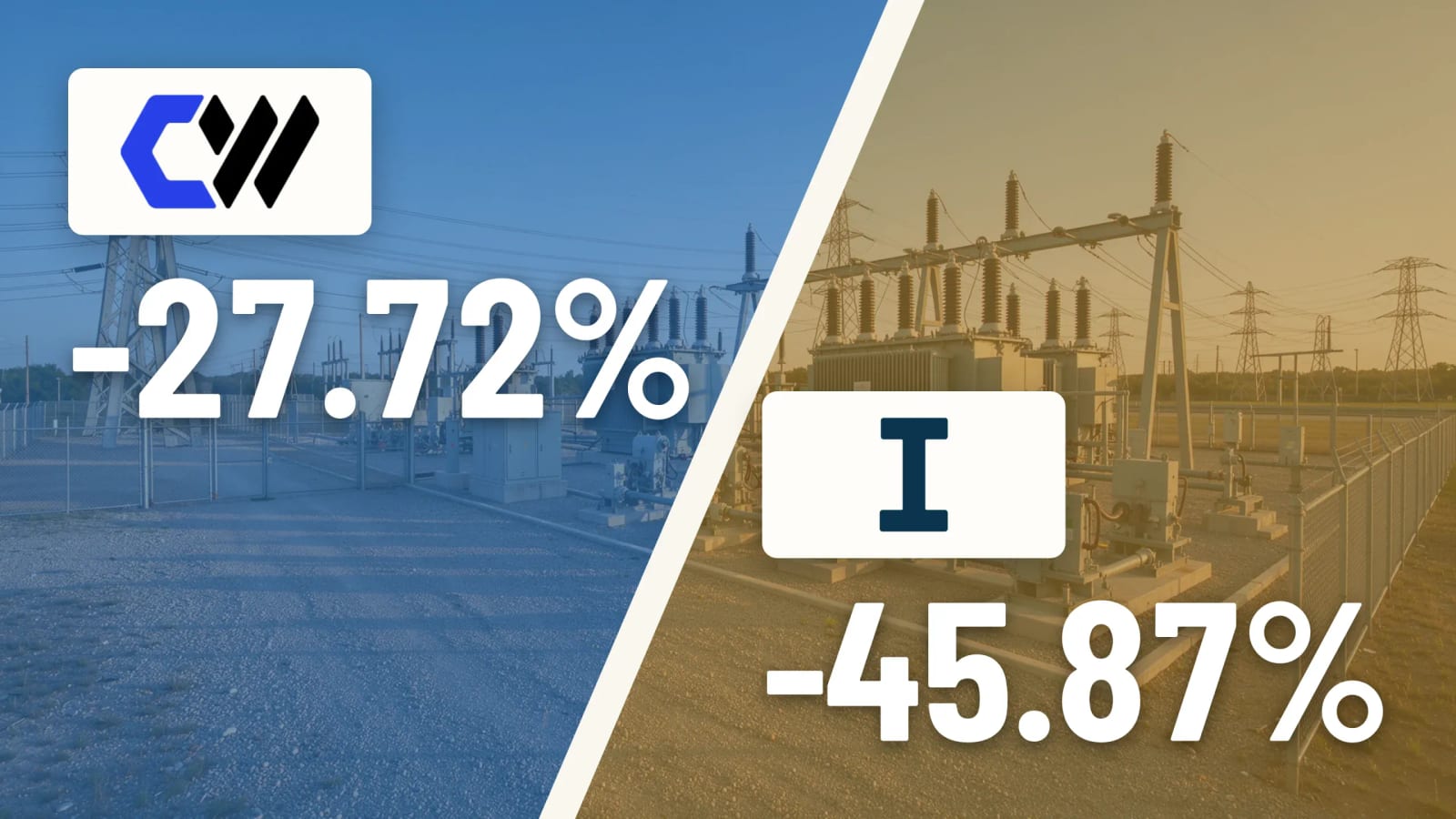
CoreWeave (CRWV) closed at $44.91, down 27.72% over a month, while IREN (IREN) sat at $14.41, off 45.87%, with…
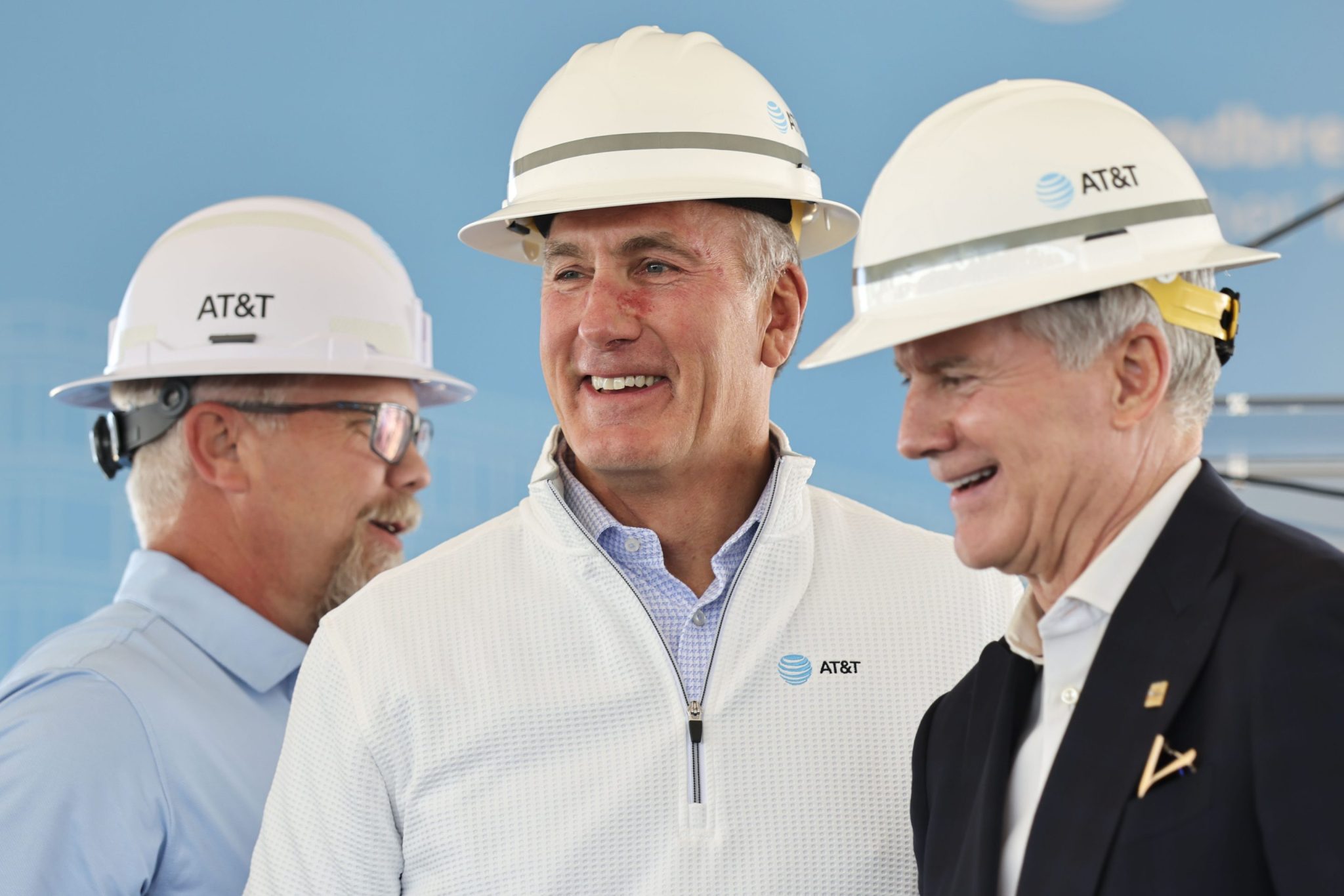
AT&T CEO John Stankey said the telecom industry will need nearly 200,000 more construction and technician work…
Feed Inc. began offering "Marugoto LLMO" on November 17, 2026, covering AI research, question design, page rew…

Co-Labo AI published the first of three explainer installments on ontology on November 20, 2026, aimed at manu…

Runway Growth Capital's David Spreng argued that AI buildout financing is moving from equity to debt, noting M…