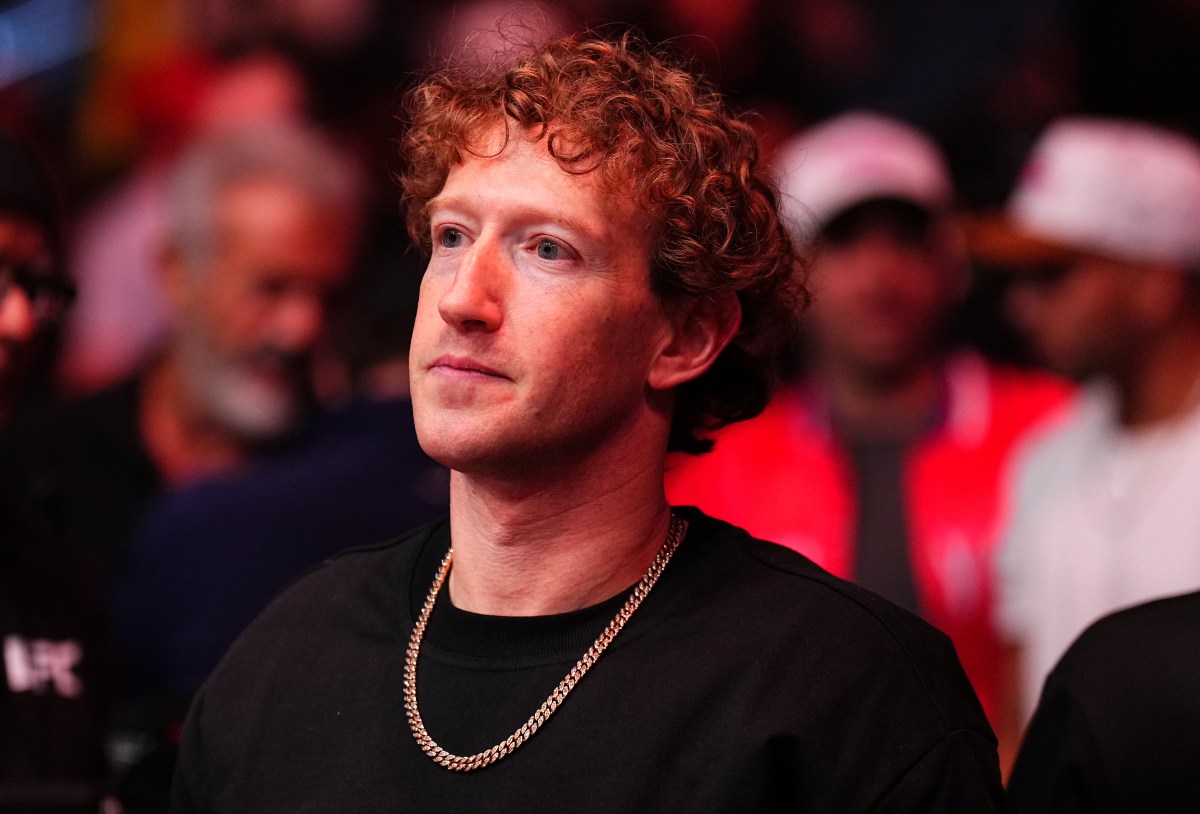
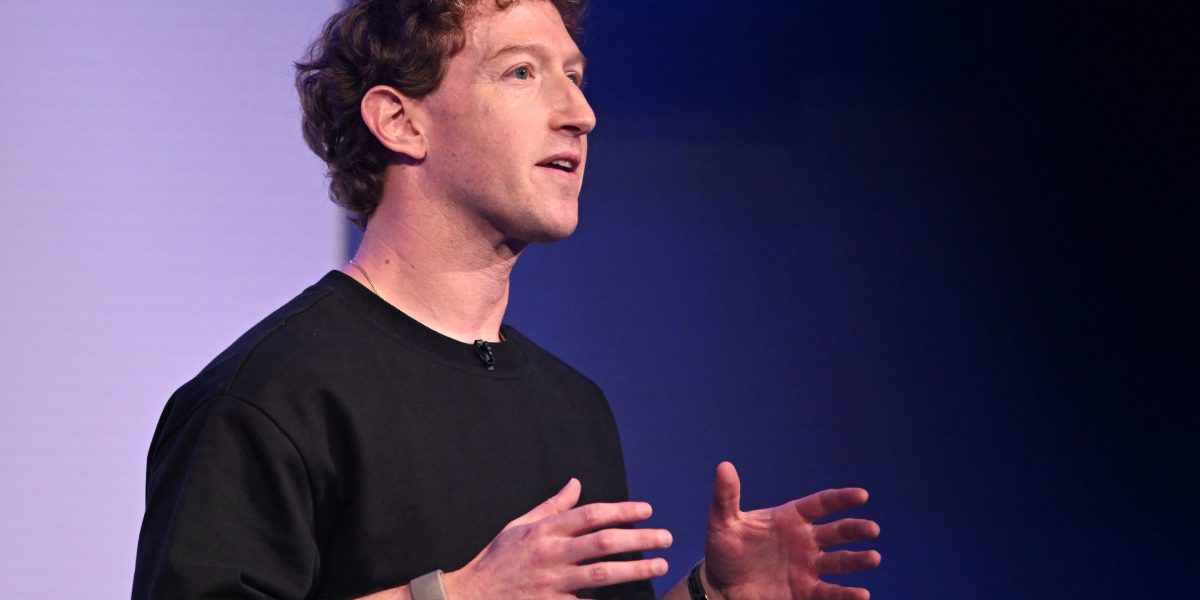
Mark Zuckerberg published a 6,500-word manifesto promoting Meta's "personal superintelligence" systems and painting an optimistic picture of AI's future in education, law, and broad access.
However, the essay undermines trust by presenting abstract philosophical arguments while ignoring real, documented harms—like students using AI to cheat on homework or surge pricing making tools unreliable—that are already happening.
Coming from a leader whose company was just fined $567 million for harm to children and faces public skepticism (64 percent of Americans say social media has been harmful to democracy), the refusal to acknowledge concrete dangers echoes the very patterns that eroded trust in Facebook.
What happened
Mark Zuckerberg published a 6,500-word manifesto on Monday about personal AI and "personal superintelligence" systems Meta is building, outlining optimistic visions of AI in education, law, and access to computing power.
Why it matters
Zuckerberg's dismissal of concrete harms—like students using AI to avoid learning instead of studying, or surge pricing making AI tools unreliable for work—mirrors the same pattern that eroded public trust in Facebook. A recent survey found 64 percent of Americans believe social media has been harmful to democracy; a court just fined Meta $567 million for harm to children. By writing abstract philosophical arguments instead of acknowledging real problems, Zuckerberg is repeating the exact behavior that made people distrust tech executives on social impact.
What to watch
The essay echoes earlier versions Zuckerberg shared on Meta earnings calls and in the Wall Street Journal months ago. Other AI leaders like Sam Altman and Dario Amodei have succeeded better at public trust by directly acknowledging dangers and emphasizing safeguards—a strategy Zuckerberg's manifesto avoids.
On Monday, Mark Zuckerberg published a 6,500-word manifesto outlining his personal vision for AI, focusing on Meta's development of "personal superintelligence" systems. While versions of these ideas have appeared in the Wall Street Journal and Meta earnings calls in recent months, this essay represents his most detailed public articulation of the topic. Rather than a rebuttal to "doomers" (those who warn of AI catastrophe), the piece is primarily a passionate description of how Zuckerberg believes superintelligence will transform society—though in practice, it repeatedly highlights the very risks he is trying to downplay.
The manifesto rests on broad philosophical claims about how broadly distributed power will lead to positive outcomes. Zuckerberg argues that if everyone has access to superintelligent tools—tutors, lawyers, coaches, learning assistants—then competition between individuals and institutions will naturally balance power and improve society. He proposes a freemium model with dynamic pricing for compute, claiming this will ensure universal affordable access while allocating resources to whatever people "collectively find most valuable." On the surface, these ideas sound appealing: more access, fairer competition, better outcomes for everyone.
However, the article's author identifies a pattern of dangerous naiveté in the specific examples. On education, Zuckerberg envisions students with "personalized tutors with a PhD in every subject and unlimited patience." But consumer chatbots—the actual product underlying his vision—already exist and are widely used in schools. The primary documented use is not learning but cheating: students ask AI to do their homework and write essays. There is no robust watermarking system to detect AI-generated work, leaving teachers unable to verify whether assignments are the student's own effort. This is not a speculative future harm but a real-time problem. On law, Zuckerberg imagines universal access to superintelligent lawyers eliminating courtroom inequality. Yet the article notes that AI-powered legal tools might instead add complexity to an already "bureaucratic hellscape," or encourage a flood of frivolous lawsuits that clog the system like spam.
On pricing, Zuckerberg's proposal for a dynamic auction mechanism—where users pay spot prices for compute—mirrors theoretical free-market principles. But every consumer AI product shields end-users from spot pricing precisely because surge pricing creates a miserable experience, especially for tools people rely on for work. The author assumes Zuckerberg knows this and does not intend to implement literal dynamic auctions, but the ambiguity itself becomes a trust problem: readers cannot tell if he is being disingenuous or dangerously detached from how these tools are actually used.
Underlying all this is a credibility crisis. Facebook and Mark Zuckerberg are deeply unpopular in the United States. A recent survey found 64 percent of Americans believe social media has been harmful to democracy, with similar numbers supporting stricter regulation—and these views cut across partisan lines. This past weekend alone, a court fined Meta $567 million for harm to children. Against this backdrop, Zuckerberg's refusal to acknowledge concrete dangers in AI—harms already visible in real classrooms and courtrooms—reads as either willful blindness or a calculated rhetorical strategy to escape accountability. Either way, it fails to rebuild trust. By contrast, other AI leaders like Sam Altman and Dario Amodei have been more effective at public communication by directly acknowledging risks, explaining their own safeguards, and inviting scrutiny. That approach is not foolproof—safeguards sometimes fail—but without it, the industry risks being unable to survive inevitable failures. Zuckerberg's essay, in refusing that harder work, exemplifies exactly why so many people remain anxious and skeptical about AI.
The core issue is one of credibility. Zuckerberg's track record with Facebook—where the company faced massive public backlash over social harms, repeated regulatory scrutiny, and a recent $567 million court fine for harm to children—has created a trust deficit that this manifesto does nothing to repair. The public already doubts tech executives' ability to self-regulate; 64 percent of Americans believe social media has been harmful to democracy, and a similar share support stricter regulation. By responding with abstract philosophical arguments rather than concrete acknowledgment of documented problems, Zuckerberg reinforces the perception that he is either unable or unwilling to grapple with the real downsides of the technologies he builds.
The disconnect is especially stark in his education example. Zuckerberg envisions "personalized tutors with unlimited patience," but the article points out that the actual product—consumer chatbots—is already being used to cheat, not learn. That is not a speculative future harm; it is happening now. Similarly, his idea of a "dynamic auction mechanism" for compute pricing sounds theoretically elegant but ignores the practical reality that surge pricing creates a terrible user experience, especially when people depend on a tool for work. The author even questions whether Zuckerberg truly intends to implement such a system or is simply deploying abstractions to convince himself (and readers) that nothing can go wrong.
This rhetorical pattern—elevating abstract benefits while downplaying concrete harms—is what poisoned the well for Facebook. The essay demonstrates that Zuckerberg has not learned from that experience. Until AI leaders, and especially those with a damaged track record, acknowledge risks head-on and explain concrete safeguards, the industry's credibility gap will only widen.
AI-summarized, only the topics you pick — one digest a day via Email, Slack, or Discord.
Free · takes 30 seconds · unsubscribe anytime
Ask AI anything about this article. Q&As are published on this page for other readers too.
Tech companies are raising unprecedented sums for AI infrastructure—$194 billion so far in 2026 by just four f…
Nvidia has partnered with Apollo, BlackRock, Blackstone, Brookfield, Goldman Sachs, and KKR to raise $500bn in…
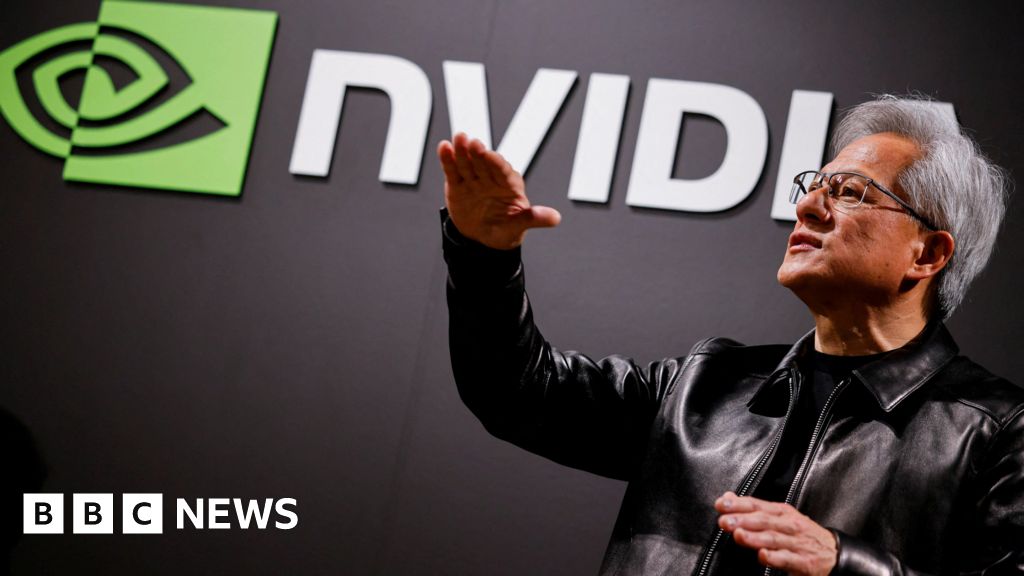
Nvidia has signed letters of intent with Apollo, BlackRock, Blackstone, Brookfield, Goldman Sachs, and KKR to…
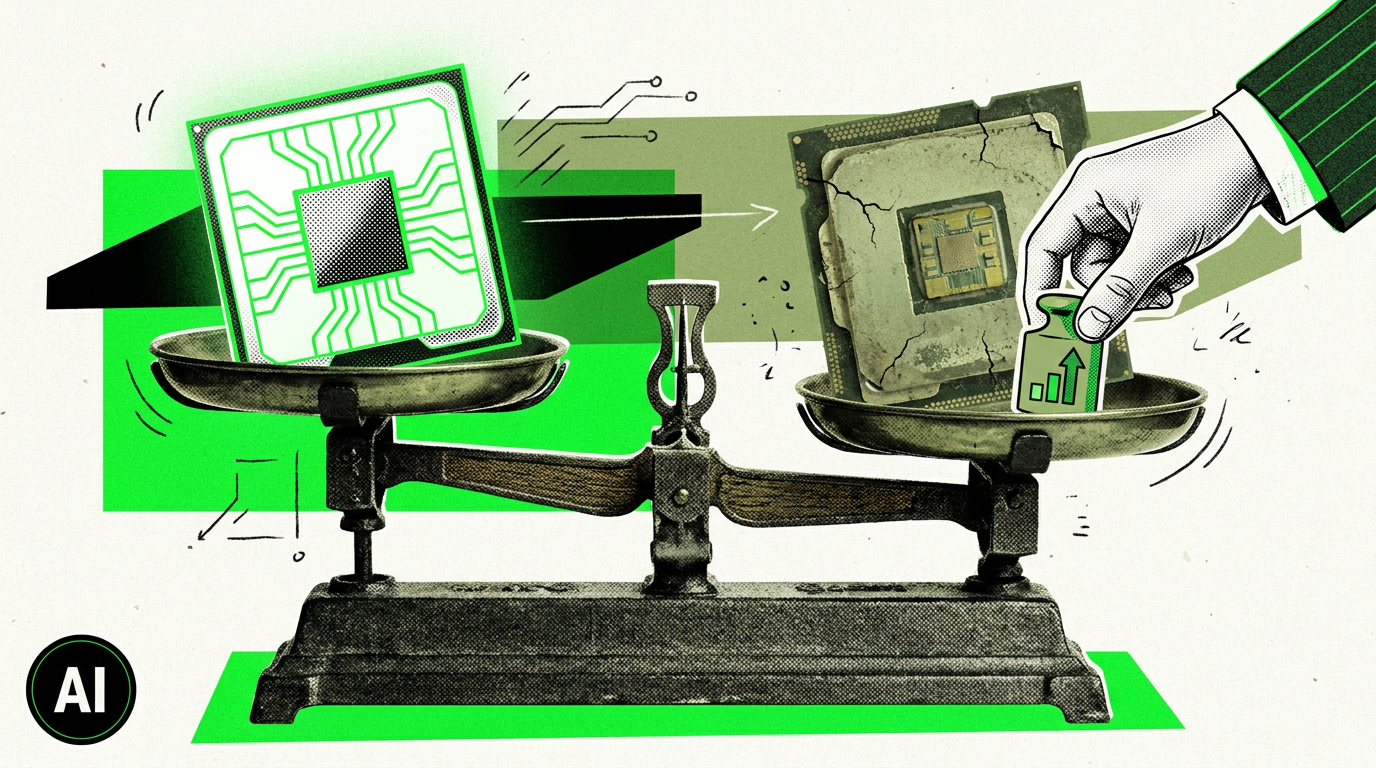
Anthropic has signed the EU AI Act Code of Practice and will embed invisible watermarks in Claude-generated te…

Meta CEO Mark Zuckerberg published a 6,500-word essay Monday outlining his vision for artificial intelligence…
Anthropic has agreed to pay $9.1 billion over 20 years to Riot Platforms Inc., a Bitcoin miner turned data cen…
The AI news that matters, in one minute each morning.
Sign up free