What happened
Anthropic's prototype index rates automation from AL0 to AL5; as of August 2026 Claude is not fully autonomous on any measured AI R&D subset, but 'leads' 26%.
Why it matters
A frontier lab is quantifying how much AI builds AI, which the body says helps connect inputs like compute to outputs like capabilities and inform any pacing effort.
What to watch
The numbers are conservative, depend on a Claude judge, and cover one week of compute; watch whether independent third-party evaluators Anthropic plans to embed can verify them.
WHO IT HITSPolicymakers and regulators weighing rules on frontier AI development gain a concrete template for what labs could disclose, while rival lab safety and compliance teams may face pressure to publish comparable metrics.
Summaries like this, in your inbox every morning.
Anthropic says AI systems are becoming exponentially more powerful and have begun to automate more of the process of building themselves. As the world considers slowing the pace of frontier AI development, the company argues the public needs more information. That framing sets up the piece not as a capability boast but as a transparency exercise: it offers measurement tools for how much AI is building its next version, how well Anthropic can oversee and intervene in agent actions, and where compute goes.
The three measurements connect to Anthropic's broader policy proposals. Its Responsible Scaling Policy risk reports already publish capability evaluations, while the Advanced AI Framework proposes transparency obligations governments could require. The measurements here focus on the production process, so they can be correlated with those capability evaluations. The body also notes Anthropic plans to embed independent third-party evaluators from multiple organizations with access comparable to internal risk teams, and says external red-teaming has happened before, with METR independently testing the offline monitoring platform.
The stakes hinge on verifiability and comparability. Anthropic acknowledges obstacles to cross-lab comparison, including the lack of a common methodology and its use of its own models as judges. The compute snapshot also covers one week, which the body says shows the measurement can be made but not a meaningful trend. How much outside parties can trust these numbers, and whether other developers adopt similar reporting, is likely to determine their influence.
For example, today's edition would include:
AI-summarized, only the topics you pick — one digest a day via Email, Slack, or Discord.
Free · 30 seconds with Google · unsubscribe anytimeWhat is AIToday? →
Ask AI anything about this article. Q&As are published on this page for other readers too.
OpenAI published six examples of "unexpected or concerning model behavior" from the past six months, including…

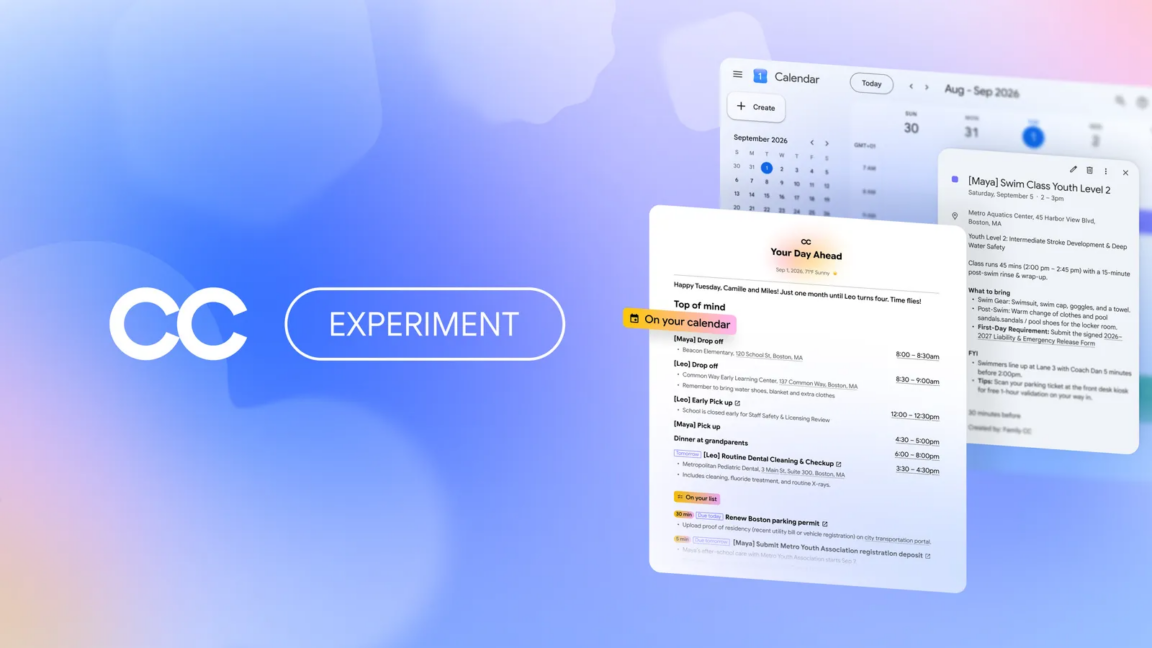
Google announced CC, a Google Labs experiment with its own Google account that up to six family members can us…
Siposova tested SynthID's "non-distortionary" configuration on six open-weight models via Hugging Face's unmod…
ByteDance's second AI-agent phone replaces forced automation with a permission-based approach, but the first m…

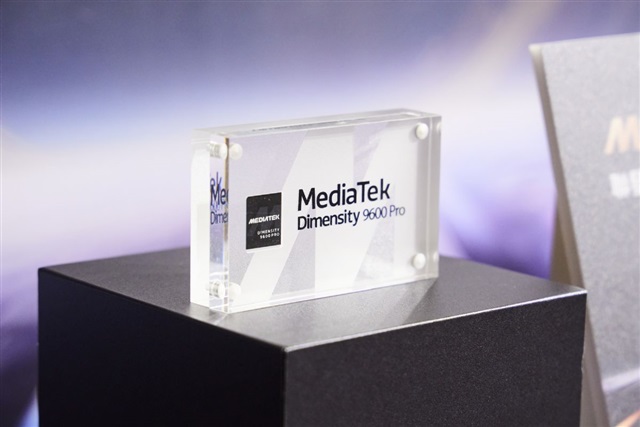
Technical details of 2026 flagship chips are surfacing, and the biggest changes in Apple's A20 Pro and MediaTe…
Marvell announced new collaborations with GlobalFoundries, Microsoft and Utimaco — expanding SiGe chip product…