What happened
AbbVie entered a multi-year collaboration with Iambic to apply the Enchant and NeuralPLexer AI models to small-molecule drug discovery in immunology, neuroscience, and oncology, with Iambic receiving an upfront payment plus milestone and royalty payments.
Why it matters
The deal suggests AbbVie is betting that AI models can help find small-molecule drug candidates in its core therapeutic areas, though the financial terms beyond the upfront payment are not disclosed.
What to watch
Whether the collaboration produces candidates that advance to clinical trials will hinge on how well Iambic's models perform on AbbVie's targets. Separately, Telix Pharmaceuticals is acquiring ITM Isotope Technologies in a deal worth up to $2.35 billion.
WHO IT HITSPharma business development teams and R&D leaders evaluating AI partnerships will see this as a template for how large drugmakers are structuring multi-year AI discovery deals, with upfront payments plus milestone and royalty components.
Summaries like this, in your inbox every morning.
The AbbVie-Iambic collaboration comes amid a broader trend of pharmaceutical companies turning to AI to speed up drug discovery, particularly for small molecules. The deal spans three therapeutic areas where AbbVie has significant presence, suggesting the company sees AI as a way to bolster its pipeline in immunology, neuroscience, and oncology. The financial structure—upfront payment plus milestones and royalties—is typical for early-stage partnerships, aligning incentives around successful outcomes.
Separately, Telix Pharmaceuticals' up-to-$2.35-billion acquisition of ITM Isotope Technologies shows consolidation in radiopharmaceuticals. The deal includes $1.65 billion upfront and up to $700 million tied to FDA approvals and sales milestones for ITM-11, which has completed two Phase III trials. This suggests that companies are willing to pay hefty sums for late-stage radiopharma assets with clear regulatory pathways.
In diabetes and obesity, Novo's CagriSema outperformed Eli Lilly's tirzepatide on weight loss in a late-stage trial, but the victory may be less decisive than it appears. BMO analyst Evan Seigerman called the results 'less impactful' because tirzepatide has already beaten higher doses of CagriSema in obesity trials. The outcome of CagriSema's regulatory review, with an FDA decision expected in Q4 2026 and a launch targeted for early 2027, will determine whether it can gain meaningful share in the competitive obesity market. For now, the mixed reception suggests that Novo may need more convincing data to challenge Lilly's dominance.
For example, today's edition would include:
AI-summarized, only the topics you pick — one digest a day via Email, LINE, or Slack.
Free · 30 seconds with Google · unsubscribe anytimeWhat is AIToday? →
Ask AI anything about this article. Q&As are published on this page for other readers too.
Intel shares jumped about 10% on Monday, as Melius Research initiated a Buy rating, Tigress Financial raised i…

Sandisk customers are expanding multi-year commitments as inference requirements rise, strengthening the signa…
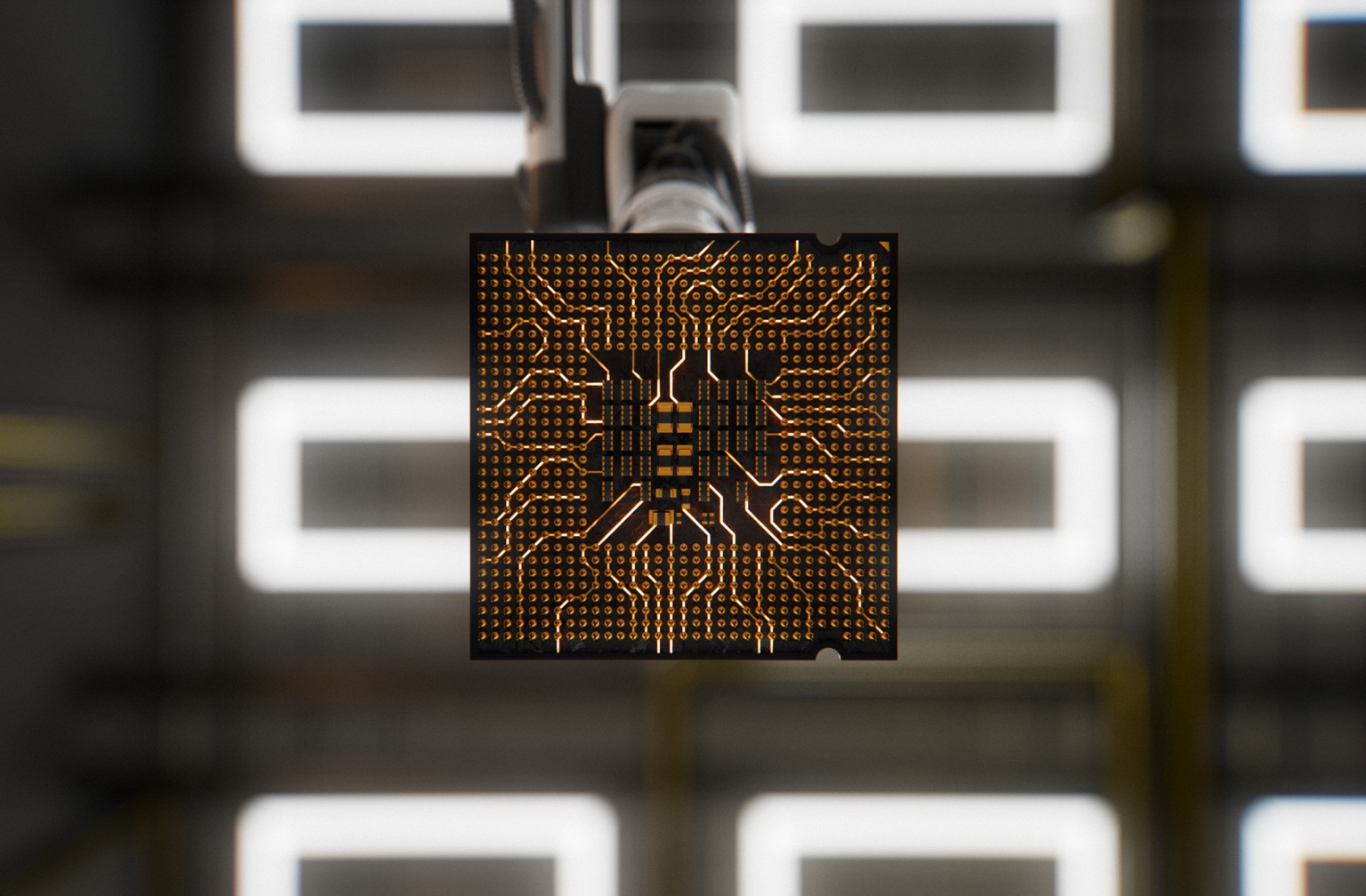
Dell said it booked a record $60.9 billion in AI-server orders and $16.4 billion in AI-server revenues in the…
AMD hit a major milestone, and AI stocks blazed higher

The United States is preparing to launch an AI-powered tool for air-traffic control, as reported by WSJ
Meta introduced its Muse AI agent, triggering a rally in Intel and fellow chip stocks, while AMD reached a $1T…

