What happened
China installed 295,000 industrial robots in 2024, accounting for 54% of the global total. The US robotics industry is pressing for a national strategy to counter China's lead, while German companies believe their domestic offerings will win on reliability and data security. India, which installed 9,100 industrial robots in 2024, faces a different concern.
Why it matters
China's robotics dominance mirrors its earlier leads in electric vehicles and solar panels—signaling a sustained competitive shift in a capital-intensive industry. For India in particular, the stakes are high because robotics threaten the country's long-standing advantage as a low-cost labor source, according to a prominent academic.
What to watch
How each region responds reflects broader trade and industrial strategy. Germany's confidence in domestic alternatives, the US push for a coordinated national response, and India's vulnerability to labor-displacement robotics will shape the next phase of the global automation race.
Summaries like this, in your inbox every morning.
Pick your industry and the AI tools you use, and get news related to your work every day.
Free · 30 seconds with Google · unsubscribe anytimeWhat is AIToday? →
Ask AI anything about this article. The AI reads this article, earlier AIToday articles, and Wikipedia, and cites its sources. Q&As are published on this page for other readers too.
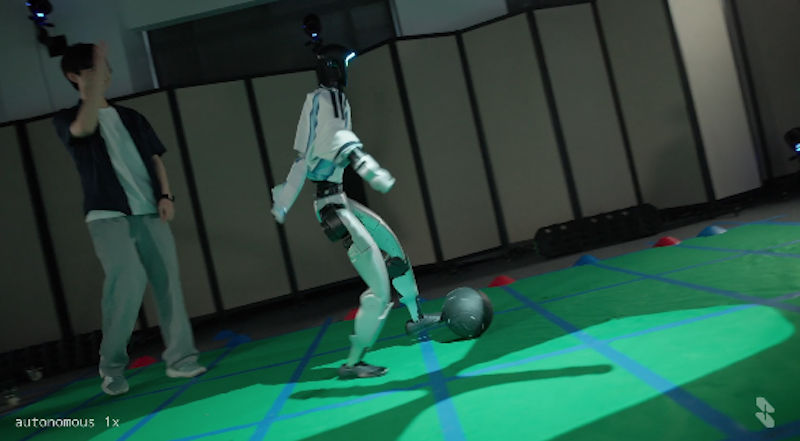
Skild AI used Nvidia Isaac Sim to give its S1 model one objective — score a goal — and let it compete against…
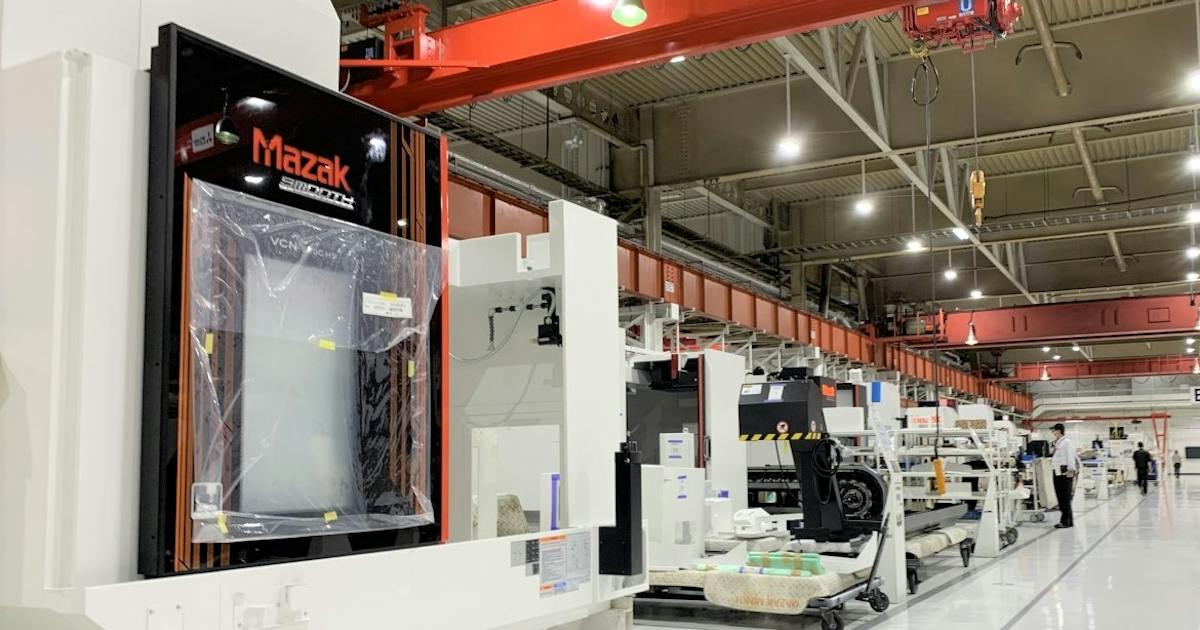
Yamazaki Mazak and ABEJA said on the 16th they will start joint development of physical AI, using ABEJA's ABEJ…
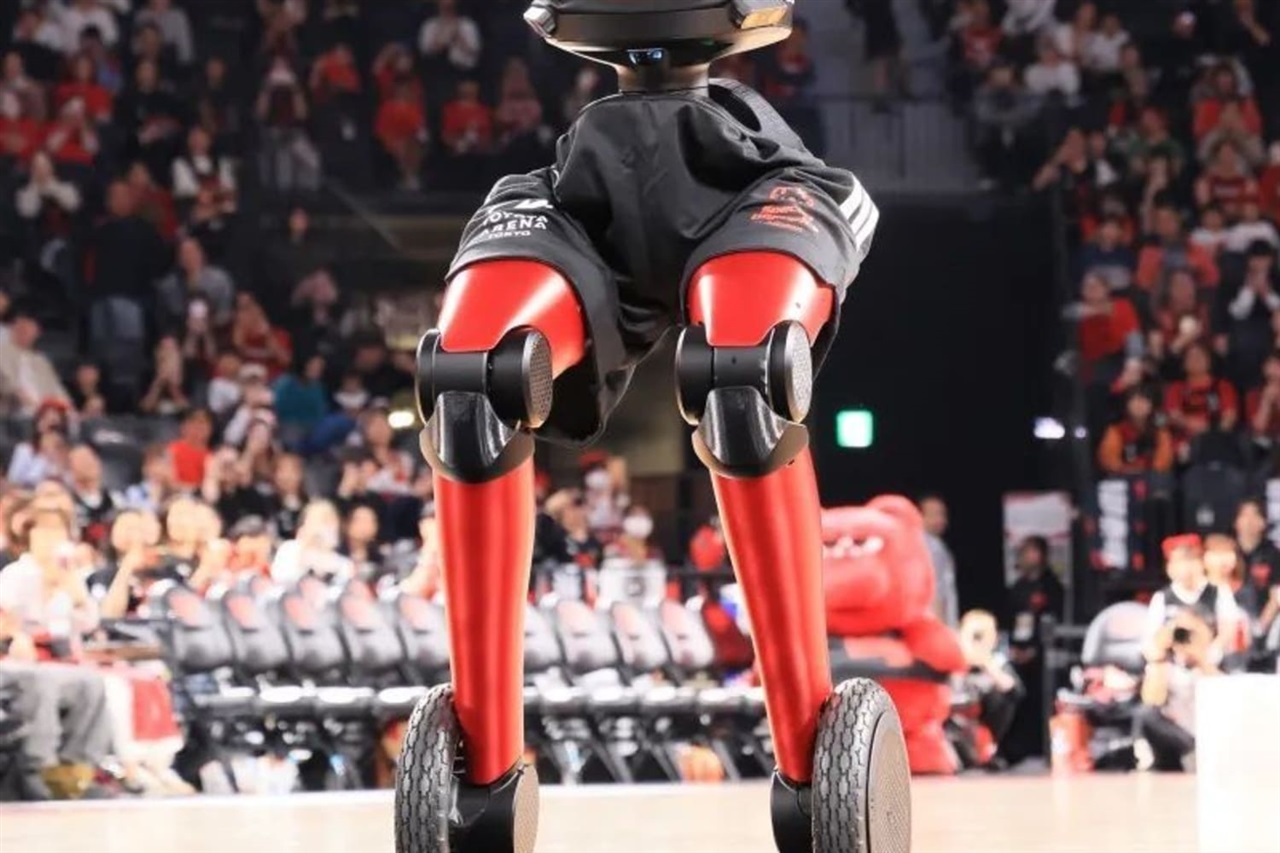
Toyota Motor's Japan Mobility Show Bizweek 2026 booth centers on its AI basketball robot CUE7, has no other ex…
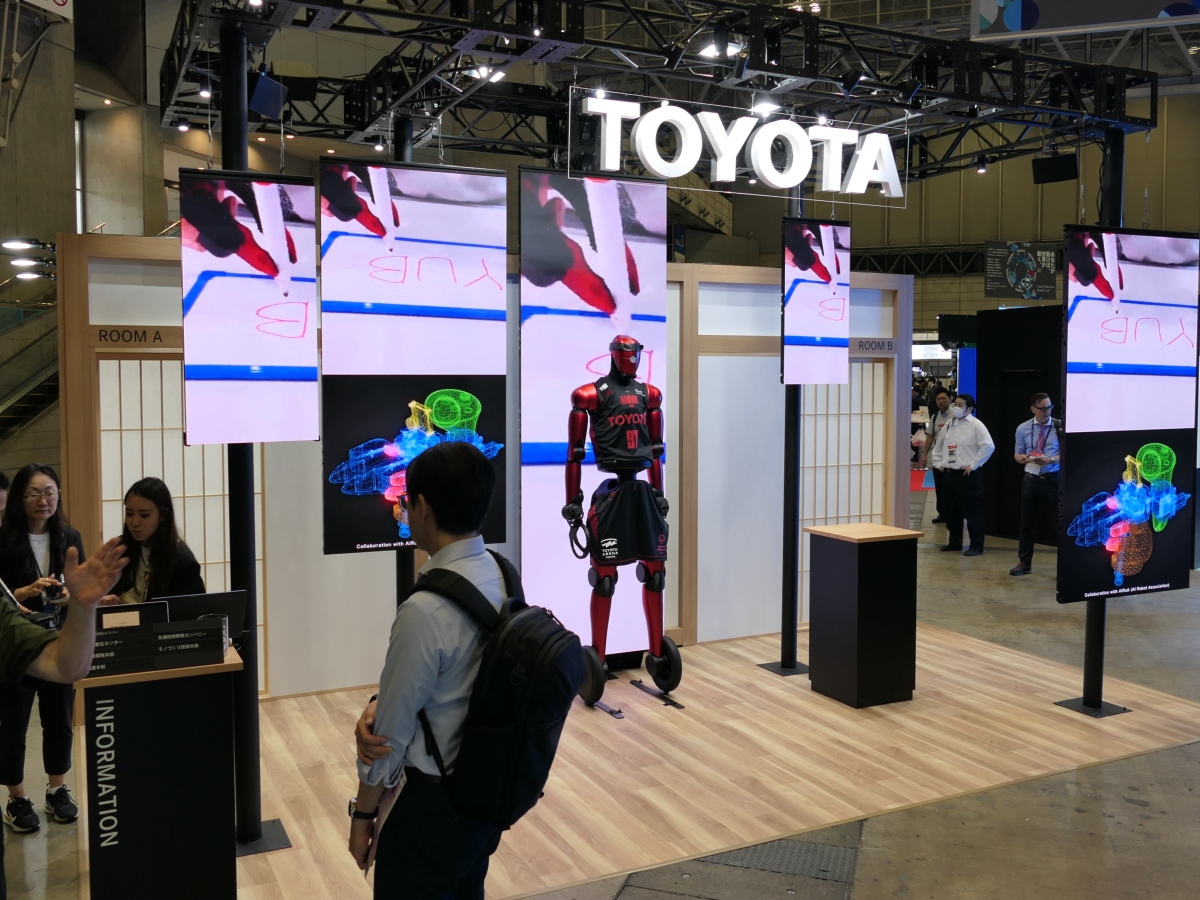
Japan Mobility Show Bizweek 2026 showcased Physical AI applications, including Toyota's basketball-playing rob…
Google pitched Gemini 4 Argon as one model for robot control, simulation and training-data review, saying it s…
Researcher Sammy Azdoufal discovered Energize Lab's Eiliko robot stores 13 million conversations from 68,000 t…