What happened
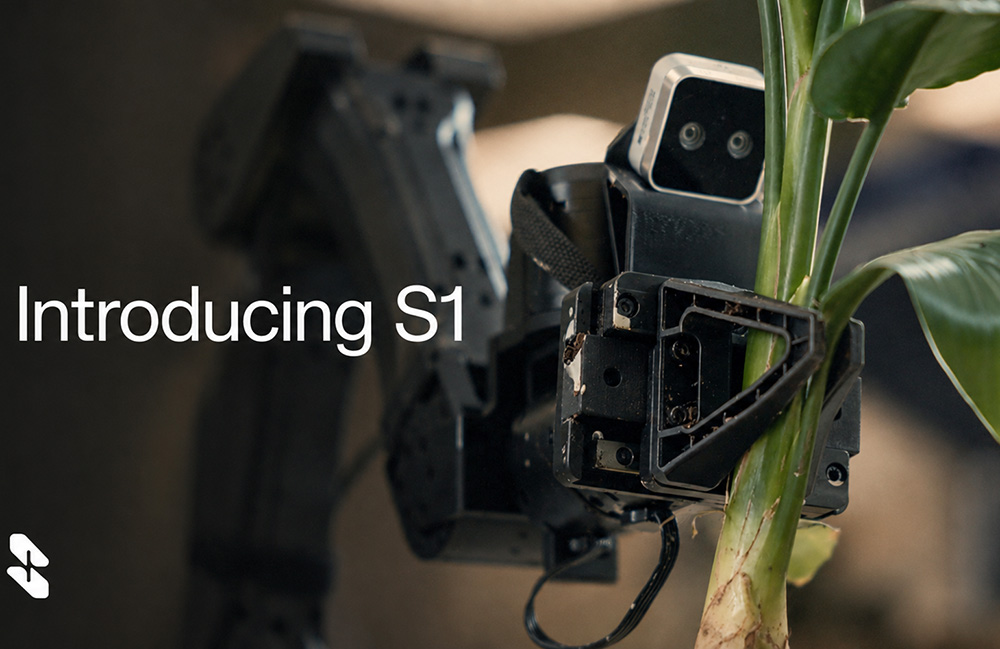
Skild AI has introduced S1, its flagship robot foundation model, which lets robots learn new, complex tasks by watching a single video. The company claims S1 can handle tasks lasting up to 10 minutes, like making coffee or cooking pancakes.
Why it matters
Traditionally, robots must be post-trained for each new task, which is slow and limits scaling. Skild AI combines all four data types — teleoperation, human videos, simulation, and data-capture gloves — to build a general-purpose robot brain, aiming to move beyond single-task robots.
What to watch
Skild AI has raised nearly $1.7 billion since 2023 and recently acquired Fetch Robotics to boost deployment. The company says S1 is already helping in production and plans to show more in the coming weeks, though it admits robotics is not yet at a "ChatGPT moment" for home use.
Summaries like this, in your inbox every morning.
Skild AI's S1 model represents a shift in robotics, moving away from task-specific fine-tuning toward a more general approach. By leveraging all four data types, the company addresses the limitations of each, such as the diversity of human videos and the directness of teleoperation data. This mirrors the transition in language models from fine-tuning to prompt-based learning, though Pathak acknowledges robotics still has a way to go before achieving a 'ChatGPT moment.'
The company's focus on deployment, highlighted by the Fetch Robotics acquisition, indicates a strategic push to bring S1 to practical use. Pathak emphasizes that deployment is a high priority, and S1 is already helping in production to acquire more customers. However, the model's performance on humanoids is still in early stages, with results from an earlier version showing adaptability but not yet scaled.
Skild AI's ambition to create a general-purpose robot brain is backed by significant funding and a clear vision. The coming weeks will reveal more about S1's production capabilities, offering a glimpse into whether robotics is on the brink of a transformative leap similar to what ChatGPT did for language AI.
Pick your industry and the AI tools you use, and get news related to your work every day.
Free · 30 seconds with Google · unsubscribe anytimeWhat is AIToday? →
Ask AI anything about this article. The AI reads this article, earlier AIToday articles, and Wikipedia, and cites its sources. Q&As are published on this page for other readers too.
Skild AI used Nvidia Isaac Sim to give its S1 model one objective — score a goal — and let it compete against…
Yamazaki Mazak and ABEJA said on the 16th they will start joint development of physical AI, using ABEJA's ABEJ…
Toyota Motor's Japan Mobility Show Bizweek 2026 booth centers on its AI basketball robot CUE7, has no other ex…
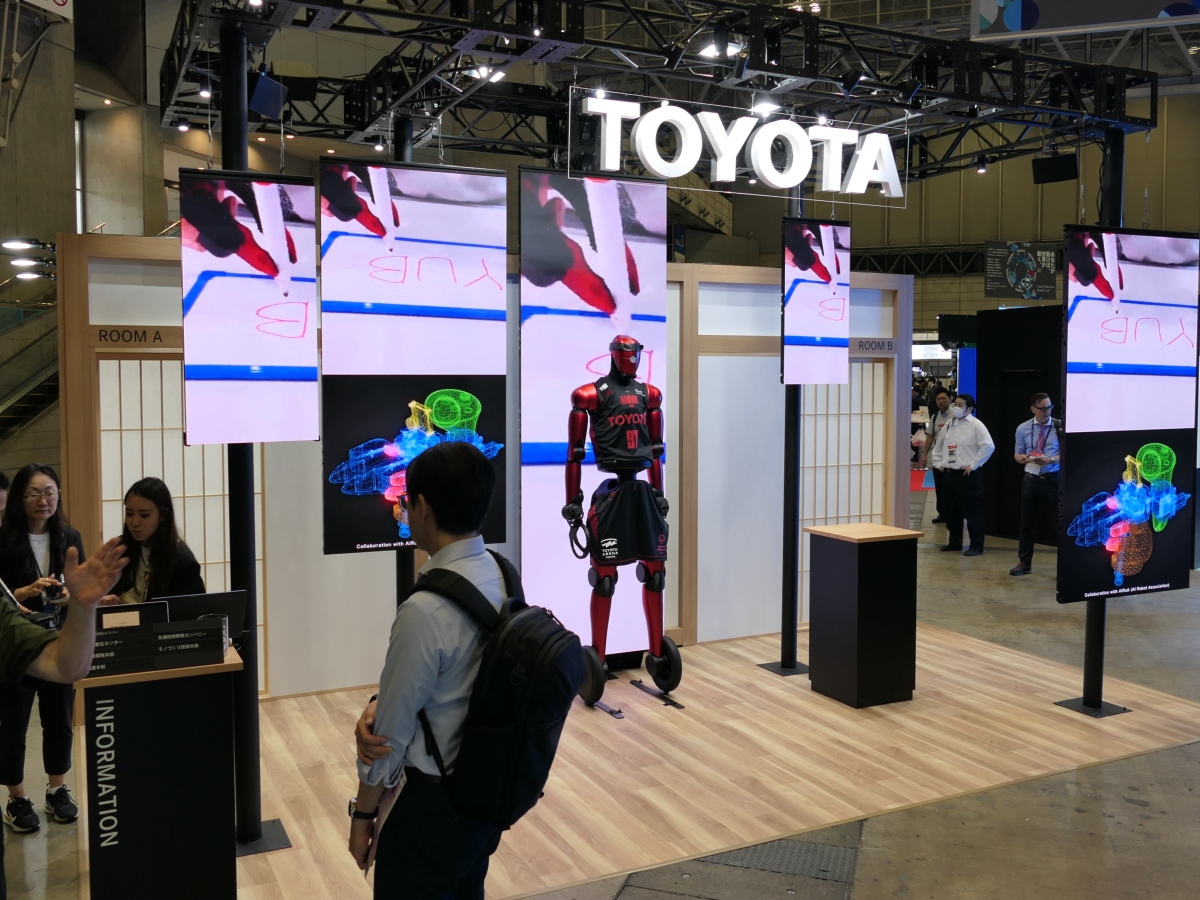
Japan Mobility Show Bizweek 2026 showcased Physical AI applications, including Toyota's basketball-playing rob…
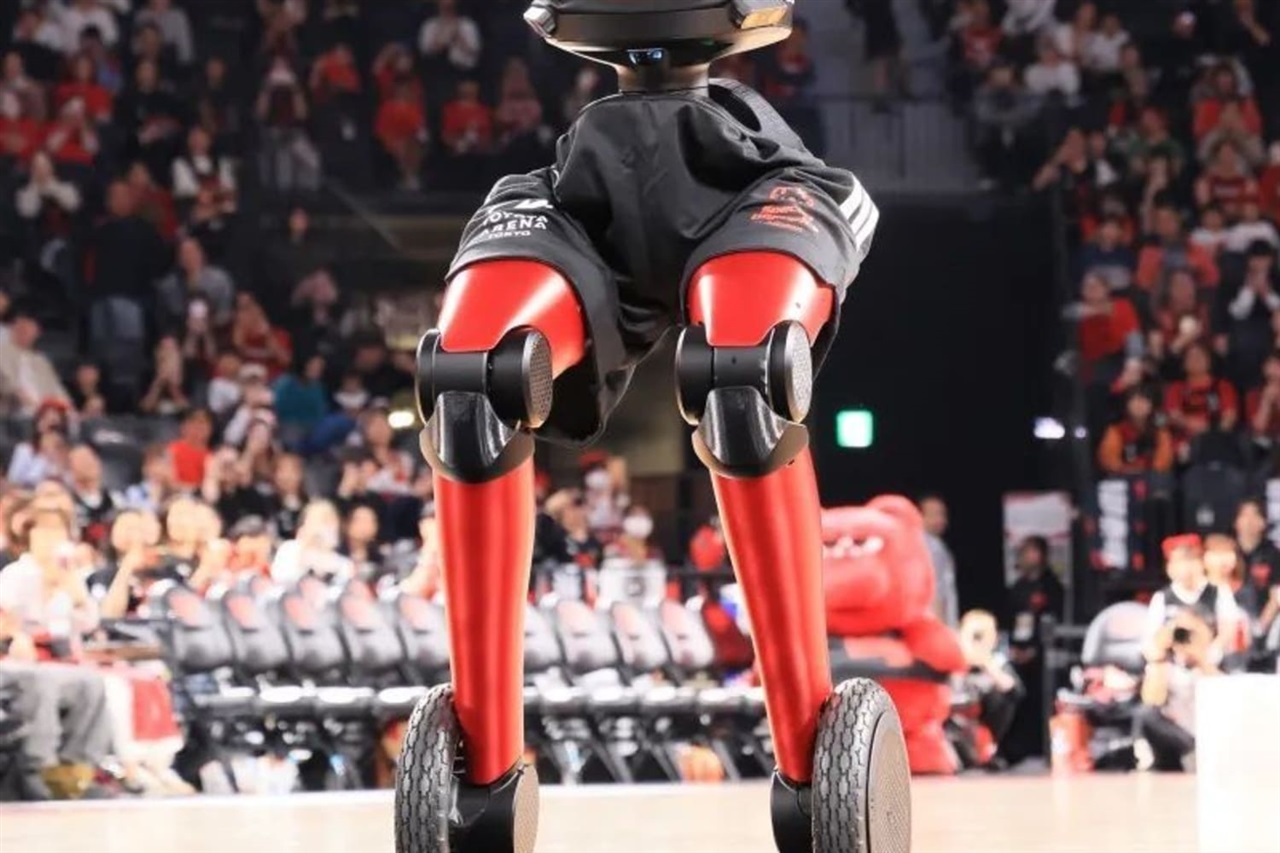
Google pitched Gemini 4 Argon as one model for robot control, simulation and training-data review, saying it s…
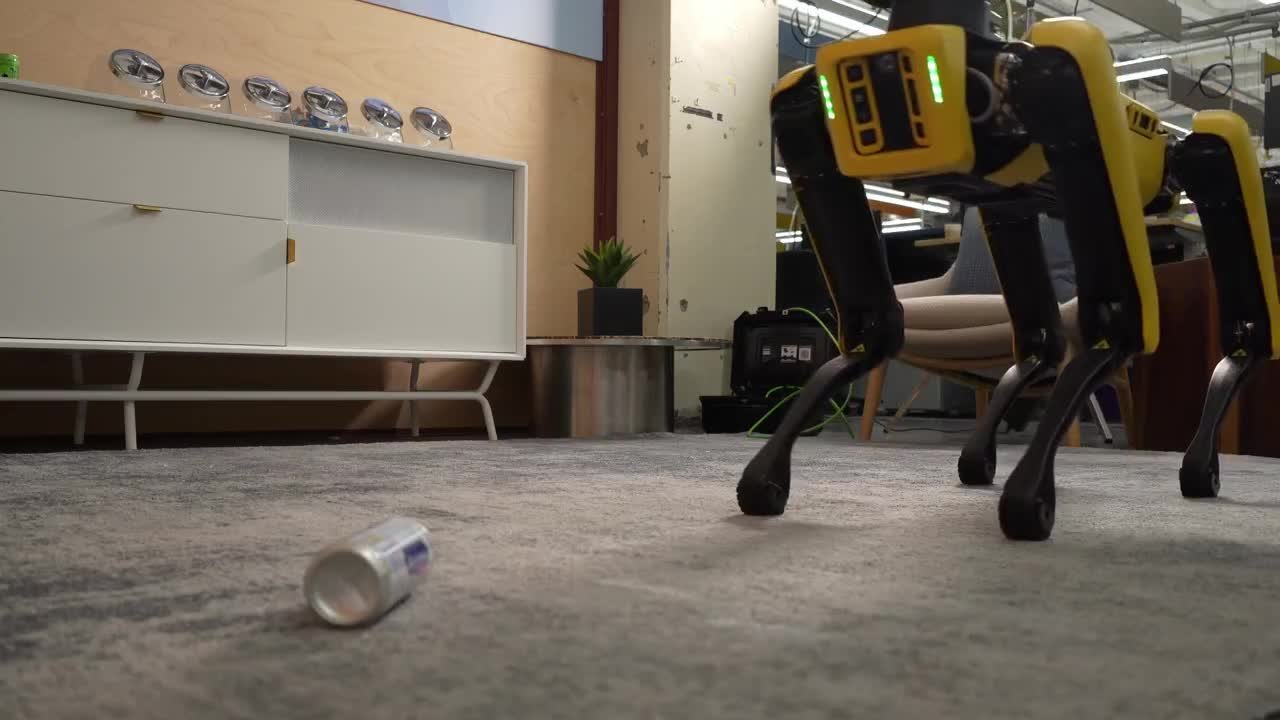
Researcher Sammy Azdoufal discovered Energize Lab's Eiliko robot stores 13 million conversations from 68,000 t…