What happened
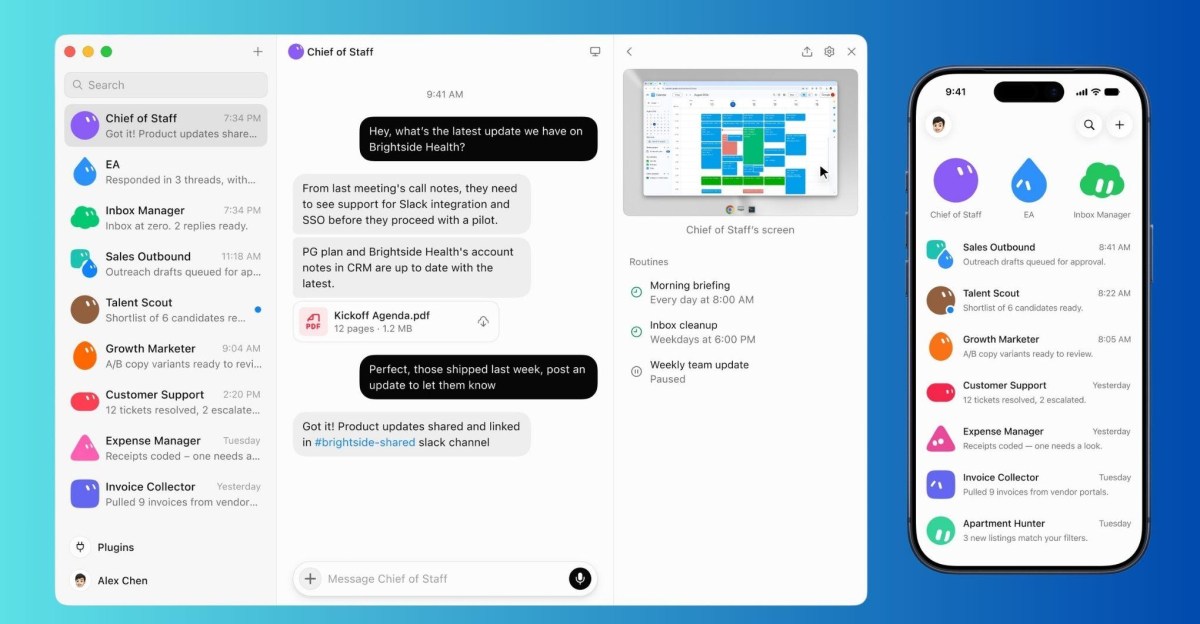
SpaceXAI has introduced Grok Bot, an always-on AI agent service that can sign into apps and websites to complete multi-step workplace tasks autonomously. The bots share a cloud-based environment, work independently, and return only when tasks are done or approval is needed. Multiple bots can run in parallel and message each other to coordinate work.
Why it matters
Grok Bot positions SpaceXAI to compete directly with similar services from OpenAI (ChatGPT Work), Anthropic (Claude Cowork), and Microsoft (Copilot Tasks). The service builds on prototypes already used internally at SpaceXAI for sales outreach, marketing, operations, and bug fixes, suggesting a tested foundation for workplace automation.
What to watch
Grok Bot is available in beta today for SuperGrok Heavy, Cursor Ultra, and Cursor Teams Premium subscribers on desktop and iOS. Teams and enterprise users can join a waitlist for future access.
Summaries like this, in your inbox every morning.
Grok Bot represents SpaceXAI's response to a wave of agentic AI services that major competitors have launched to capture enterprise workflow automation. OpenAI, Anthropic, and Microsoft have all introduced similar offerings in this space, reflecting broader industry momentum around AI systems that operate with minimal human intervention. SpaceXAI's decision to base Grok Bot on internal prototypes already handling sales outreach, marketing, operations, and bug fixes suggests the company has tested the concept within its own operations before releasing it to users, potentially reducing deployment risk.
The service's core appeal lies in its ability to operate asynchronously and autonomously: bots can sign into existing tools, coordinate with each other, and learn user workflows over time. This design avoids the friction of building custom workflows from scratch, instead allowing users to interact with bots conversationally. The fact that multiple bots can message each other and manage oversight of parallel tasks hints at a future where AI agents handle increasingly complex, multi-stakeholder projects with less explicit human direction.
Pick your industry and the AI tools you use, and get news related to your work every day.
Free · 30 seconds with Google · unsubscribe anytimeWhat is AIToday? →
Ask AI anything about this article. The AI reads this article, earlier AIToday articles, and Wikipedia, and cites its sources. Q&As are published on this page for other readers too.
Supermicro Computer appointed Mark Long as chief financial officer, bringing an experienced technology finance…

Holtek Semiconductor unveiled its 2026 product roadmap on October 15, focusing on four core areas: smart prote…
TSMC reported about NT$763.1b in Q3 net profit and confirmed that demand for advanced processors is running ah…
Nvidia-backed CoreWeave steadied Thursday after a sharp slump, as investors worried about the debt financing b…
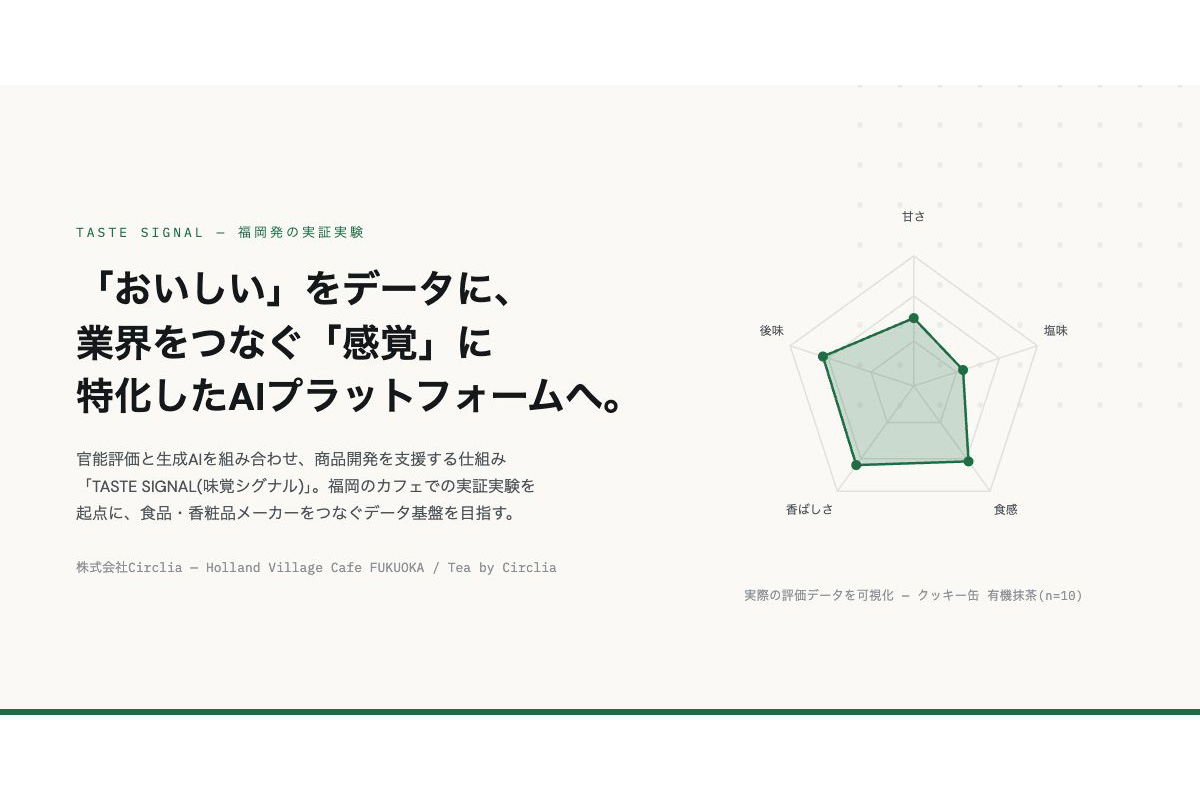
Circlia started a proof-of-concept for TASTE SIGNAL: visitors to Holland Village Cafe FUKUOKA taste cookies an…
TOPPAN Holdings and Keio University ran a quantum-computer and generative-AI proof-of-concept from February 1…