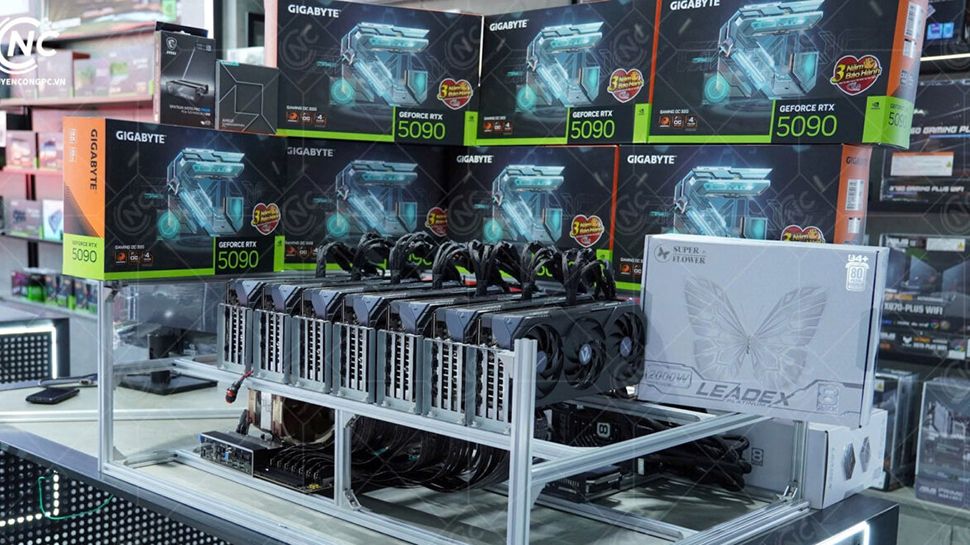
What happened
The RTX 5090, launched at $1,999, now costs over $6,000 at US retailers, with third-party listings above $9,000. Pallets of boxed cards were shown in HKEPC photos.
Why it matters
If the pallet photos reflect real buying, the retail card gamers want may keep climbing in price as a demand scare spreads.
What to watch
Some of those photos may be AI-generated — Swiss retailer Digitec's Kevin Hofer flagged odd box lettering. Watch whether the shortage is real, or a self-fulfilling scare.
WHO IT HITSPC builders, gamers, and small AI teams shopping for a single flagship GPU are the ones paying the premium, since the same card is reportedly being pulled into multi-GPU server racks.
Summaries like this, in your inbox every morning.
The current spike follows a pattern the article traces back only weeks. Six weeks before this coverage, the story was ultra-rare books being scanned for AI training data; attention has since shifted to the same appetite landing on Nvidia's flagship consumer GPU, which has essentially disappeared from shelves unless buyers accept a 200 percent or higher premium. Nvidia launched the card at $1,999 in January 2025, and by February 2026 it had already pushed past $3,500 amid memory constraints — so this is a fresh high on top of an existing climb, not a first break.
The pressure is compounded by the card above it. The RTX PRO 6000's price was nearly doubled to $16,000, with its 96GB of VRAM making up much of the bill of materials, while an RTX 5090 offers a third of that VRAM for nearly the same compute performance. The article notes that AI-centric algorithms split tasks between GPUs and memory pools, so a triple stack of RTX 5090s should comfortably outperform the RTX PRO 6000 in certain tasks — a gap that may be pushing buyers toward the consumer card. Adding to the oddity, Chinese OEMs have reportedly managed to fit as much as 96GB of VRAM on an RTX 5090, even though both cards are export-restricted there.
What makes this episode hard to read is the evidence underneath it. Nvidia's GeForce driver EULA has carried a "No Datacenter Deployment" clause since late 2017, and Nvidia has previously used restrictions such as LHR on RTX 3000 cards to block miners, plus a China-specific RTX 5090 D that trims AI performance — so the company can limit this use if it chooses. Yet the images driving the story are disputed and may be AI-generated, and as Guru3D noted, the report explains neither why these firms chose the RTX 5090 nor the scale of the purchases. The outcome may hinge less on whether data centers are really buying by the pallet than on whether the fear of missing out the coverage creates pushes prices higher on its own.
For example, today's edition would include:
AI-summarized, only the topics you pick — one digest a day via Email, Slack, or Discord.
Free · 30 seconds with Google · unsubscribe anytimeWhat is AIToday? →
Ask AI anything about this article. Q&As are published on this page for other readers too.
Applied Clinical Trials Online reports on lessons drawn from hundreds of clinical trials involving AI, coverin…

Mastercard rolled out a payment option Thursday that gives an AI agent a virtual card to buy online without ch…

Palantir CEO Karp spoke bluntly in the AI risk debate, saying aloud what the article frames as the quiet part

Co-CEO Clay Magouyrk said Oracle last year hadn't found broad internal use for generative AI; after rolling ou…

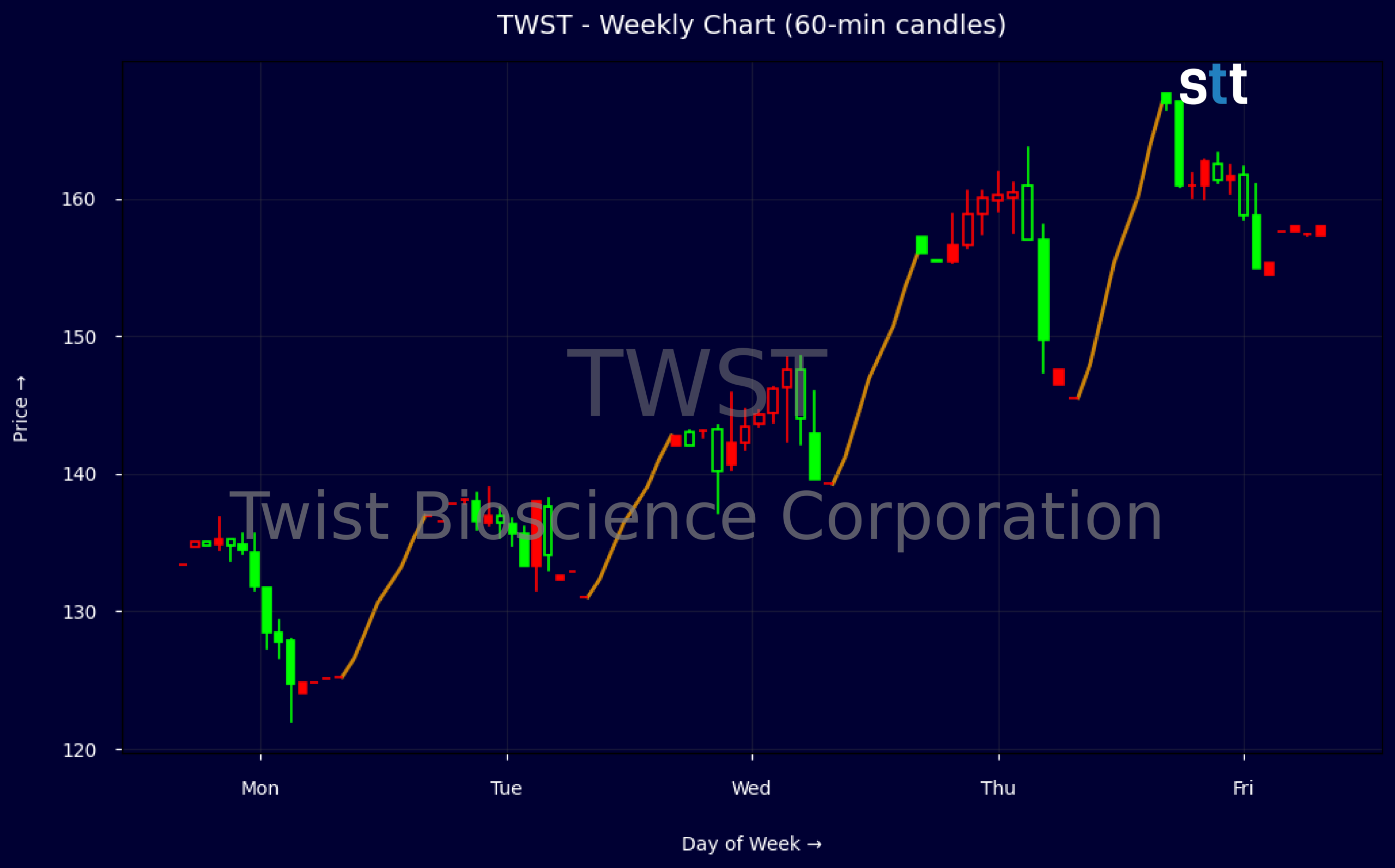
Twist Bioscience signed an agreement to provide antibody characterization data and services to Eli Lilly's AI/…
At the AWS Global Meeting on September 17, Chief AI and Technology Officer Matt Wood named Trainium for comput…


