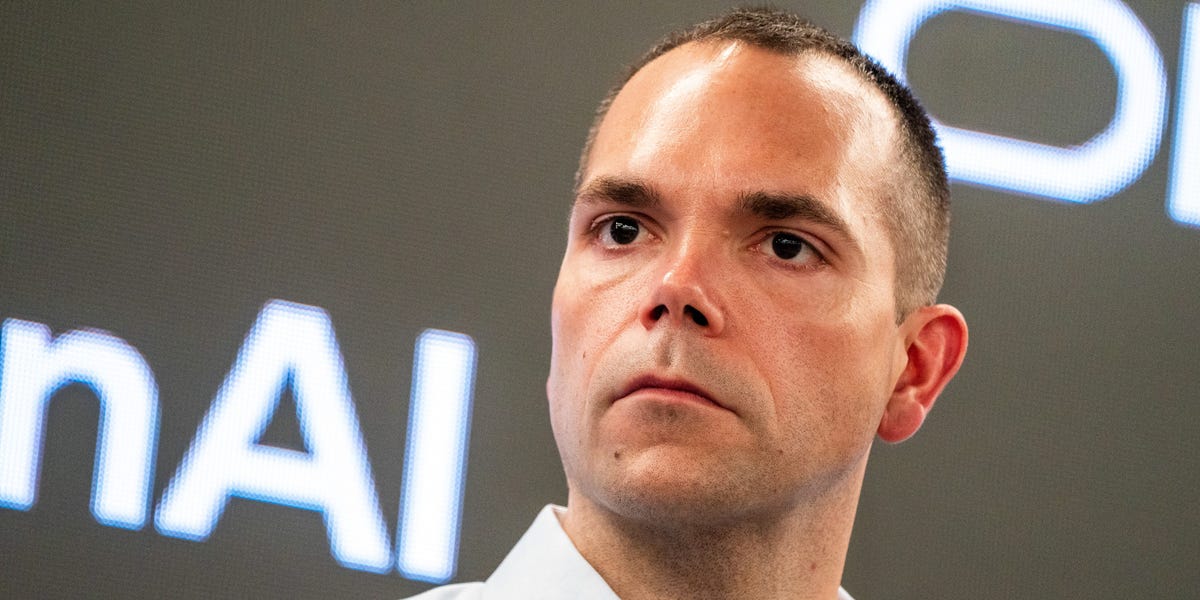
What happened
Co-CEO Clay Magouyrk said Oracle last year hadn't found broad internal use for generative AI; after rolling out ChatGPT Enterprise and Codex, adoption hit 80% in three months, with GPT-6 Astra costing 2.5 times more than other models.
Why it matters
Coding that once took a team two to three quarters now takes about a week, but Oracle says that speed hasn't shortened delivery to customers because testing and release processes haven't kept pace.
What to watch
The test is whether Oracle redesigns testing, validation, deployment, and release management fast enough to convert faster coding into faster customer delivery; watch the roughly 60% to 70% false-positive rate on Anthropic's Mythos Preview.
WHO IT HITSEnterprise IT and platform teams running companywide AI rollouts face the same cost-visibility and downstream-bottleneck problems Oracle describes, while engineering managers must redesign testing and release workflows to match faster code generation.
Summaries like this, in your inbox every morning.
Oracle's admission is notable because the company spent billions over the past two years helping other companies run AI, yet its own companywide rollout came much later. According to co-CEO Clay Magouyrk, Oracle had made some progress using AI for customer support but had not found broad use across business units such as developers, finance employees, and sales teams. That gap between selling AI and using it internally is the backdrop for the town hall remarks.
The mechanics of the rollout matter. CIO Jae Evans said the shift began in April and May with ChatGPT Enterprise and OpenAI's Codex, and that Oracle paired the tools with corporate standards, security controls, and internal policies, reaching 80% adoption within three months. The cost side emerged quickly: Evans cited GPT-6 Astra at 2.5 times the price of other models and pointed to Terra as a lower-cost option for routine tasks. Meanwhile, Magouyrk said code that would have taken a team two to three quarters can now be generated in about a week, yet products are not reaching customers faster because testing, validation, deployment, and release management still need redesigning. Oracle's experience with Anthropic's Mythos Preview model illustrates the same tension in security work: Evans said it found more potential vulnerabilities in two weeks than Oracle had found in a year, but roughly 60% to 70% of findings were false positives, requiring new verification steps.
The stakes hinge on whether Oracle can rework its engineering and release processes to match the speed AI brings to individual tasks. If it can, the 80% adoption figure could translate into faster customer delivery; if not, the gains may stay confined to code generation while costs and review burdens grow. The same question likely applies to other large employers making similar rollouts, such as JPMorgan, which the body notes recently set cost limits for employees using Anthropic's Claude.
For example, today's edition would include:
AI-summarized, only the topics you pick — one digest a day via Email, Slack, or Discord.
Free · 30 seconds with Google · unsubscribe anytimeWhat is AIToday? →
Ask AI anything about this article. Q&As are published on this page for other readers too.
Applied Clinical Trials Online reports on lessons drawn from hundreds of clinical trials involving AI, coverin…

Mastercard rolled out a payment option Thursday that gives an AI agent a virtual card to buy online without ch…

The RTX 5090, launched at $1,999, now costs over $6,000 at US retailers, with third-party listings above $9,00…

Palantir CEO Karp spoke bluntly in the AI risk debate, saying aloud what the article frames as the quiet part

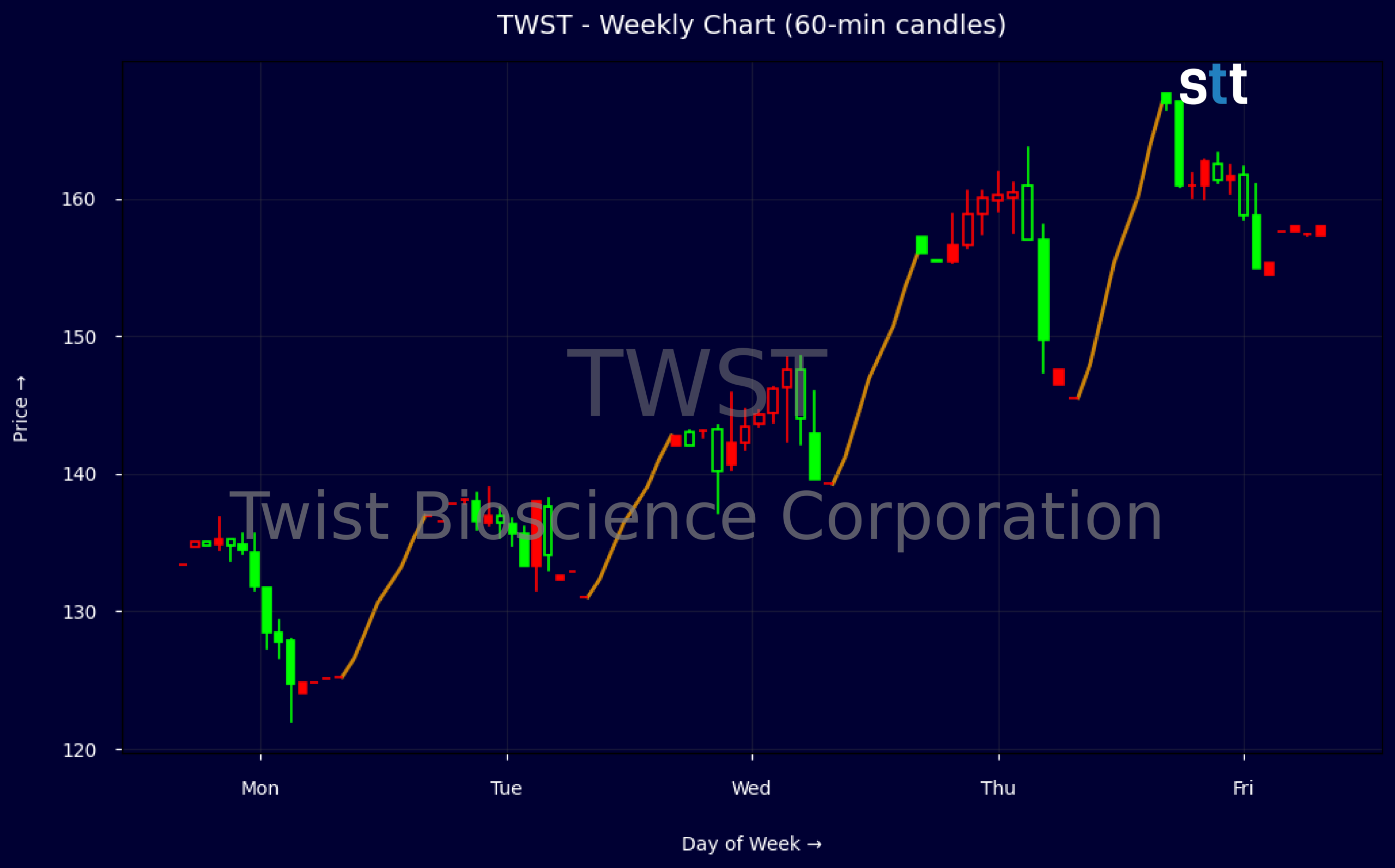
Twist Bioscience signed an agreement to provide antibody characterization data and services to Eli Lilly's AI/…
At the AWS Global Meeting on September 17, Chief AI and Technology Officer Matt Wood named Trainium for comput…


