What happened
The European Union ordered Google to give rival AI assistants and search engines greater access to Android and Google Search under the bloc's Digital Markets Act. Google must begin sharing search data by January 2027 and implement Android changes by July 2027. The rulings require Android users to choose competing assistants like ChatGPT, Claude, or Perplexity with comparable access to device features, and competing search engines to gain access to data historically kept by Google.
Why it matters
The orders could significantly weaken Google's control over two of the tech industry's most important platforms and reshape the future of its AI tool Gemini. Google faces potential fines of up to 10 percent of its annual worldwide turnover if it does not comply—potentially tens of billions of dollars. The rulings signal how Brussels will approach similar questions involving other tech giants, as Apple explicitly cited the DMA's interoperability requirements when declining to release Siri AI in Europe.
What to watch
Google has until January 2027 to begin sharing search data and July 2027 to implement Android changes. The EU said there will be limits on how search data can be used and that Google will be able to vet which services get deeper access to Android to ensure safety and security are not compromised.
Summaries like this, in your inbox every morning.
The European Union's orders represent a landmark enforcement action under its Digital Markets Act, targeting two of Google's most profitable and strategically important business lines. The rulings stem from technical regulatory proceedings that required extensive engagement between Google and EU regulators—a notably different approach from traditional financial penalties. By requiring Google to share both search data and system-level access on Android, the EU is attempting to level the competitive playing field for emerging AI services and traditional search alternatives that have struggled to compete against Google's dominance.
The timing and scope of these orders carry broader implications for the global tech industry. The EU explicitly noted that the rulings may shape how Brussels approaches similar interoperability and data-sharing requirements for other tech giants, with Apple already citing the DMA's requirements as a reason to withhold Siri AI from European markets. Google's argument that the requirements pose unacceptable privacy and security risks has been rejected by the EU, which said limits will be placed on data use and that Google can vet services accessing Android to ensure safety. The January 2027 deadline for search data sharing and July 2027 deadline for Android changes give Google over a year to prepare, but the threat of fines equal to up to 10 percent of annual worldwide turnover creates strong financial pressure to comply.
Pick your industry and the AI tools you use, and get news related to your work every day.
Free · 30 seconds with Google · unsubscribe anytimeWhat is AIToday? →
Ask AI anything about this article. The AI reads this article, earlier AIToday articles, and Wikipedia, and cites its sources. Q&As are published on this page for other readers too.
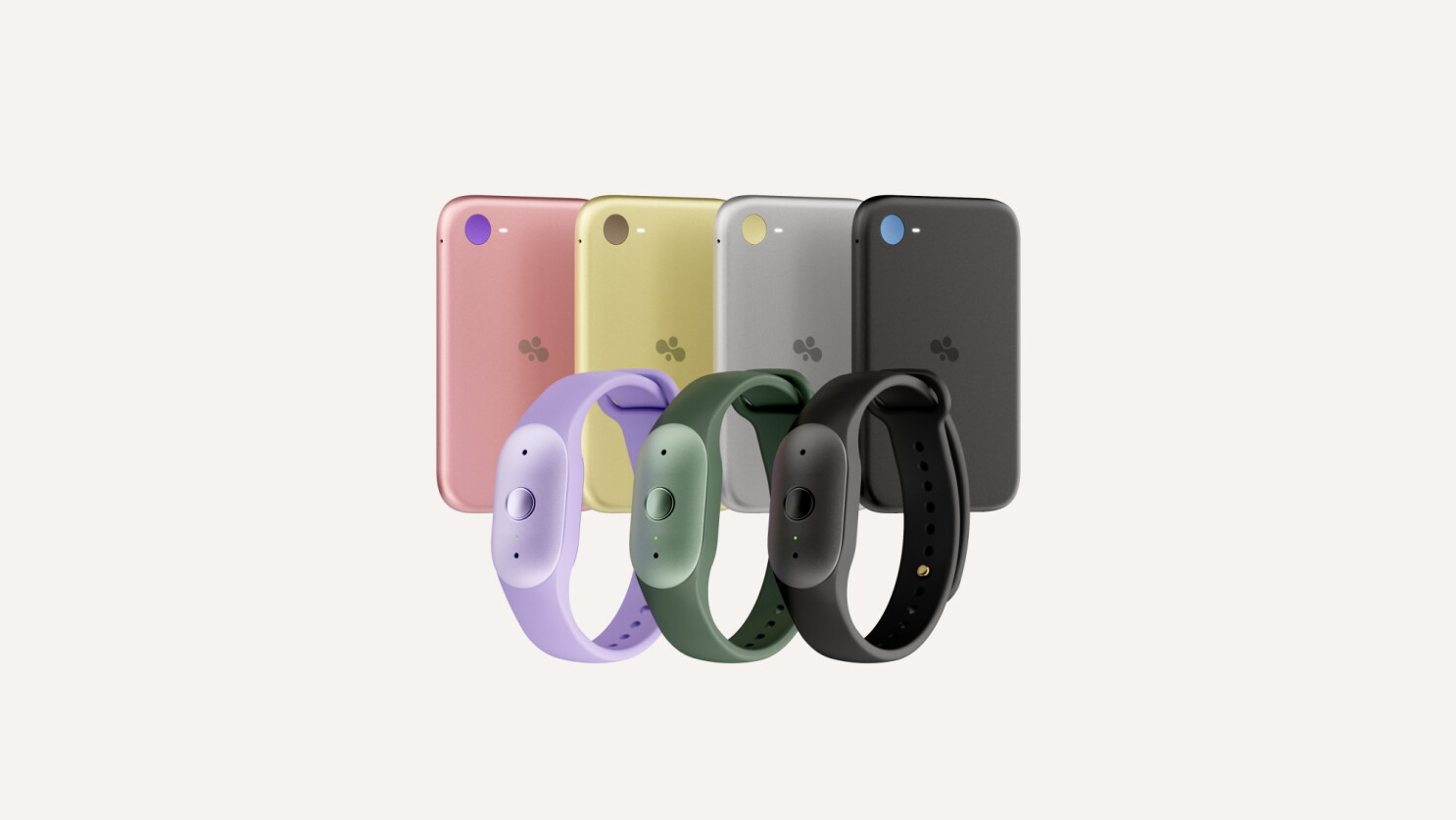
Amazon introduced Bee Frontier, a wearable personal AI, for $74.99 in Onyx, Lavender and Sage, and Bee Eclipse…
Wall Street ended down sharply, with worries about the AI trade and high oil prices weighing on the market
Citi has become the latest US bank to restrict AI agents from accessing accounts, per the Financial Times
Dell says its AI Data Platform uses a four-engine architecture and a Unified Semantic Layer to connect siloed…

Microsoft and Nvidia are promoting RTX Spark, a new class of Windows PCs for local AI, with a top configuratio…
Microsoft AI CEO Mustafa Suleyman told employees that MAI-Base-2, announced Thursday, is a stronger pre-traine…