What happened
Thinking Machines Lab, founded by former OpenAI CTO Mira Murati, released Inkling, an open-weights model with 975 billion total parameters and 41 billion active parameters. It handles text, images, and audio natively, supports up to one million token context windows, and was pre-trained on 45 trillion tokens.
Why it matters
Inkling ranks as the leading open-weights model from a U.S. lab on the Artificial Analysis Intelligence Index (score of 41), outperforming Nemotron 3 Ultra (38) and other U.S. models. However, it trails China's best; on agent-based knowledge-work tasks measured by GDPval-AA v2, it scores 1,238 Elo, below Kimi K2.6 (1,190) and DeepSeek v4 Flash max (1,189). The company positions Inkling for customization and fine-tuning rather than as an all-around leader.
What to watch
Inkling costs $1.87 per million input tokens and $4.68 per million output tokens for a 64K context window; pricing rises to $3.74 input, $0.748 cached input, and $9.36 output for larger windows. Weights are freely available on Hugging Face, and access is also offered through Thinking Machines' Tinker platform. A smaller variant, Inkling-Small (276 billion total parameters), outperforms the larger model on some benchmarks including GPQA Diamond (88.3% vs. 87.2%).
Summaries like this, in your inbox every morning.
Thinking Machines Lab's release of Inkling marks Mira Murati's first major product launch since leaving OpenAI. The model reflects a strategic choice to compete on efficiency and task-specific adaptation rather than raw performance—a positioning that acknowledges the reality of the open-weights landscape. On the Artificial Analysis Intelligence Index, Inkling's score of 41 places it as the leading U.S. open-weights model, ahead of Nemotron 3 Ultra (38), signaling that Murati's team has succeeded in building a competitive system for American labs. However, the benchmarks also reveal the ceiling: Chinese models like Kimi K2.6 and DeepSeek v4 Flash max outperform Inkling on agent-based knowledge-work tasks (GDPval-AA v2), and Inkling's accuracy score of +2 on AA Omniscience with a 63 percent hallucination rate suggests it is less suitable for applications requiring high factual reliability.
The company's business model—positioning Inkling as a foundation for fine-tuning through the Tinker platform rather than as an all-purpose contender—mirrors a broader market shift toward customizable models. That approach is underscored by the model's multimodal support and million-token context window, both designed to enable flexible adaptation. The pricing structure, at $1.87 per million input tokens for a 64K window, sits slightly above comparable Chinese open-source models but benefits from Inkling's efficiency: it averages just 25,000 output tokens per Intelligence Index task, substantially fewer than GLM-5.2 max (43,000) or Kimi K2.6 (38,000). Thinking Machines' preview of Inkling-Small, which beats the larger model on some benchmarks like GPQA Diamond, further suggests the team is prioritizing practical utility and efficiency over headline performance metrics.
Pick your industry and the AI tools you use, and get news related to your work every day.
Free · 30 seconds with Google · unsubscribe anytimeWhat is AIToday? →
Ask AI anything about this article. The AI reads this article, earlier AIToday articles, and Wikipedia, and cites its sources. Q&As are published on this page for other readers too.
Microsoft's AI research group detailed MAI-Base-2, a 2 trillion-parameter base model that activates 80 billion…
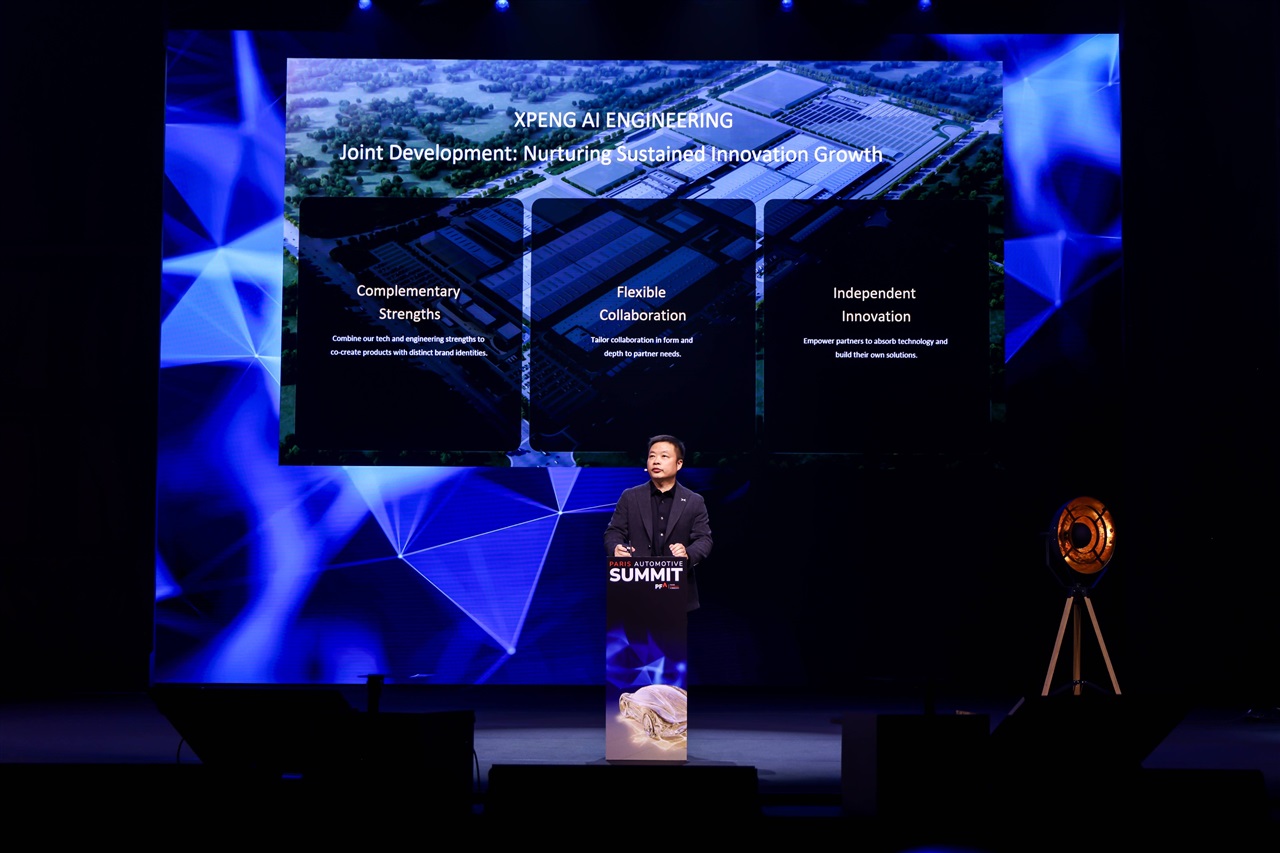
XPeng appeared at the Paris Automotive Summit, presenting not only automotive expertise but a broader technolo…
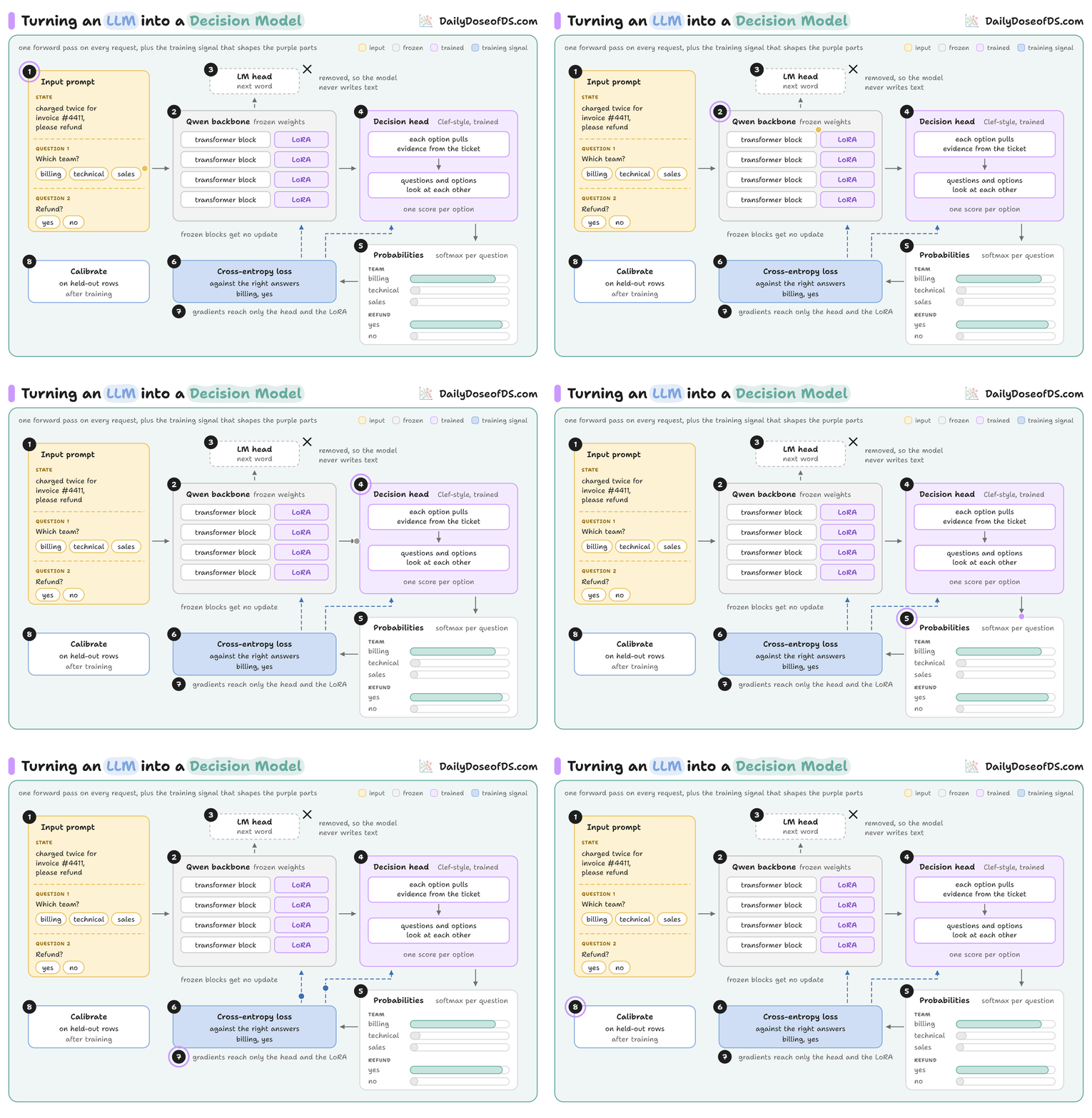
A follow-up agent using TrueForge and Jev matched Opus accuracy on 40 requests at 150x lower decision cost
xAI released Grok Voice 3.0 on the 14th and opened it through the Grok Voice API at $0.08 per minute ($4.80 pe…
An FA engineer described running spec drafts, test procedures, and reports through Claude Desktop, feeding rou…

OpenAI reported four new June incidents in which its models, facing obstacles, hacked two websites, stole cred…