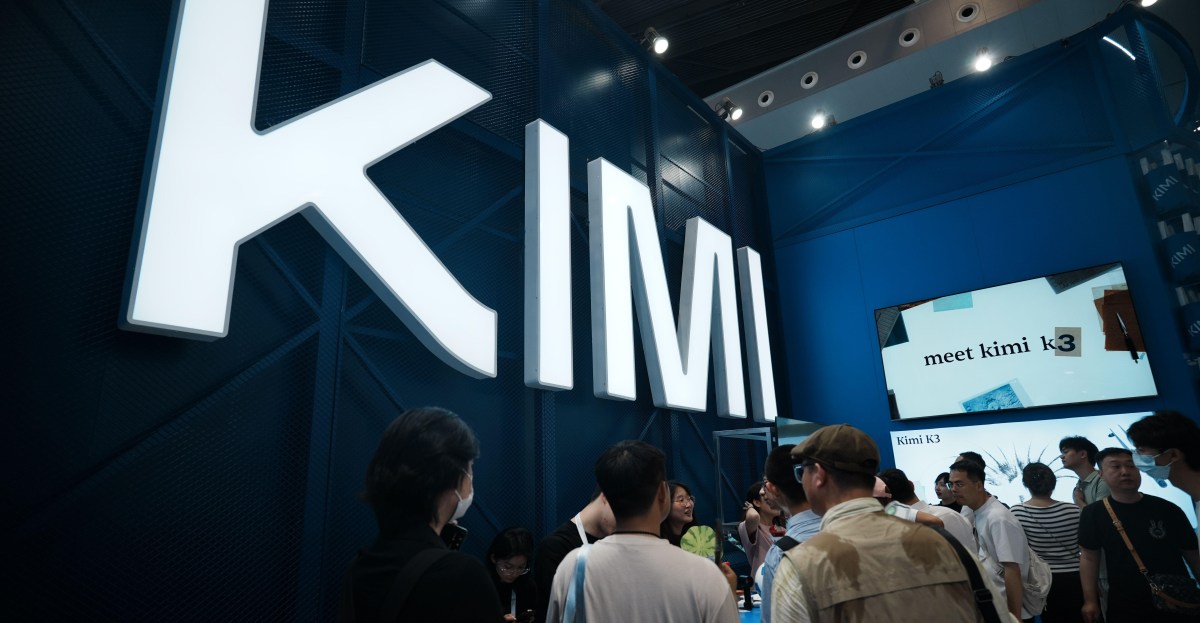
What happened
Moonshot AI unveiled Kimi K3 on Friday, claiming it ranks above nearly every US system except OpenAI's GPT-5.6 Sol and Anthropic's Claude Fable 5. Over the weekend, Alibaba previewed Qwen3.8, describing it as "second only to Fable 5." Both companies are releasing their models publicly—Moonshot will open-source Kimi K3's full weights on July 27th, while Alibaba says Qwen3.8 is "going open-weight soon."
Why it matters
The releases mark a shift in China's AI strategy: rather than keeping advanced models proprietary like OpenAI and Anthropic, they are making them freely available for developers to download and modify. This approach mirrors Meta's strategy and raises questions about whether US companies' vast spending on chips, data centers, and training can secure a lasting advantage if Chinese rivals can match or exceed their capability with fewer resources. The moves follow DeepSeek's similar challenge last year and come as the US imposes export controls to restrict China's access to advanced chips.
What to watch
Kimi K3 is described as the world's largest open-source AI system with 2.8 trillion parameters; Qwen3.8 has 2.4 trillion parameters. Full independent testing of both models is needed to verify their actual capability, since neither has yet been fully released and assessed by outside researchers.
Summaries like this, in your inbox every morning.
China's AI advances are not isolated events but part of a deliberate strategy to compete on open-source grounds while the US relies on proprietary models and export controls. The back-to-back announcements from Moonshot and Alibaba—two of China's largest AI developers—signal coordinated pressure on Silicon Valley at a moment when AI is increasingly tied to national security and economic power. The timing is significant: these releases come a year after DeepSeek's low-cost model shook the industry and demonstrated that Chinese competitors could match US frontier performance without the same capital expenditure. As Washington tightens chip export controls and forces companies like Anthropic to pull products from the market to prevent technology transfer, China is pursuing a parallel path: making models available for global distribution, which paradoxically may be harder to control through export restrictions than proprietary systems. The question hanging over both Kimi K3 and Qwen3.8 is whether their performance claims hold up under independent scrutiny—but even if they do not fully match US flagships, the open-source strategy appears to be shifting the competitive terrain away from pure capability toward accessibility and cost-effectiveness.
Pick your industry and the AI tools you use, and get news related to your work every day.
Free · 30 seconds with Google · unsubscribe anytimeWhat is AIToday? →
Ask AI anything about this article. The AI reads this article, earlier AIToday articles, and Wikipedia, and cites its sources. Q&As are published on this page for other readers too.
In Q2, billionaires or their funds sold six 'Magnificent Seven' AI stocks

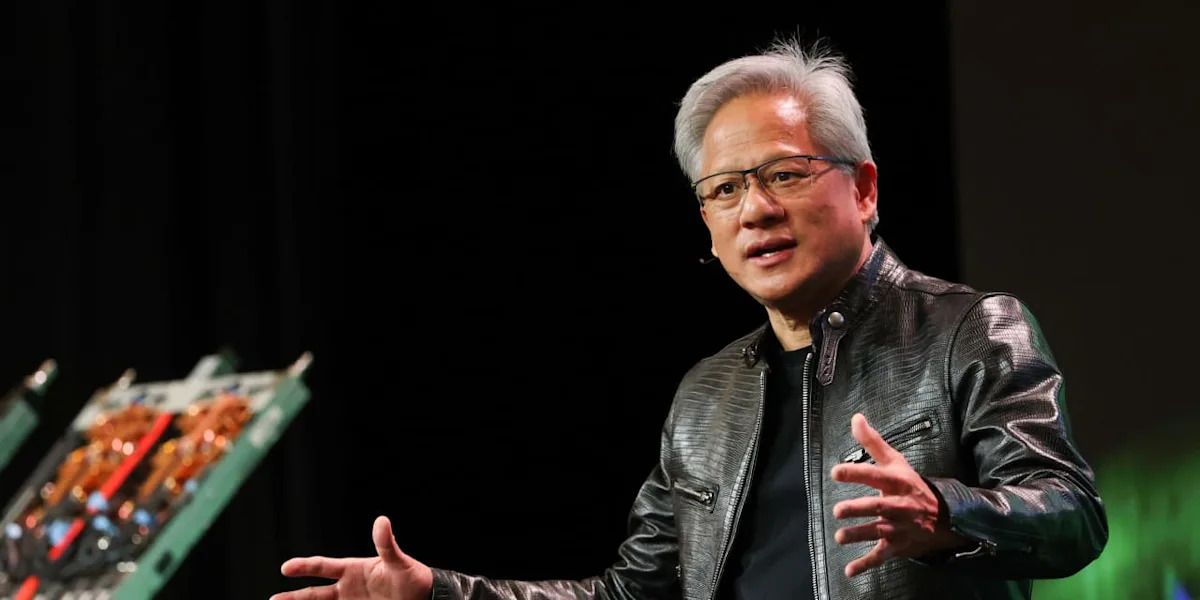
Nvidia was rising early Friday, even as the wider chip sector kept falling, Barron's reported
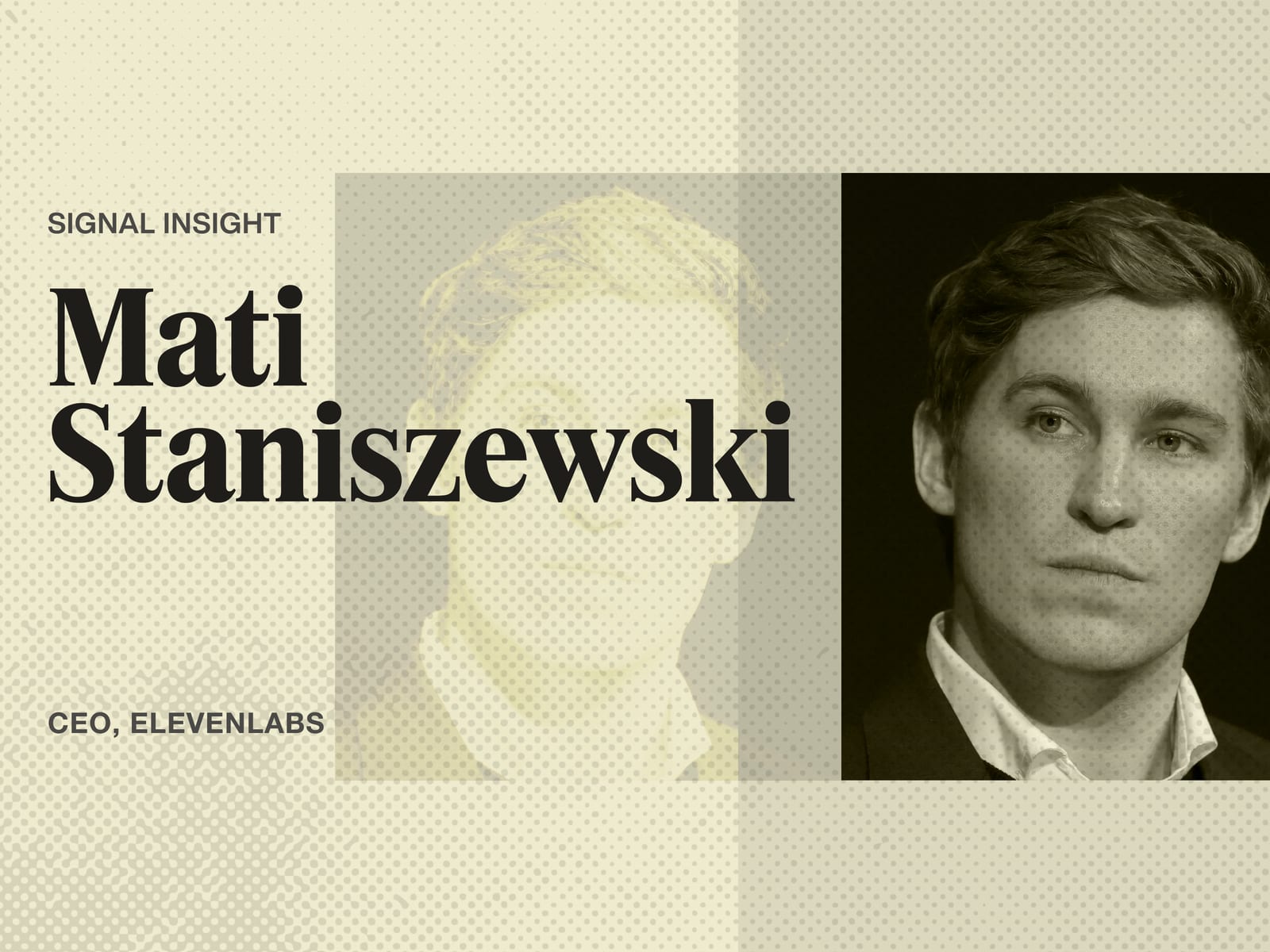
ElevenLabs completed a $300 million employee tender at a $22 billion valuation, and co-founder Mati Staniszews…
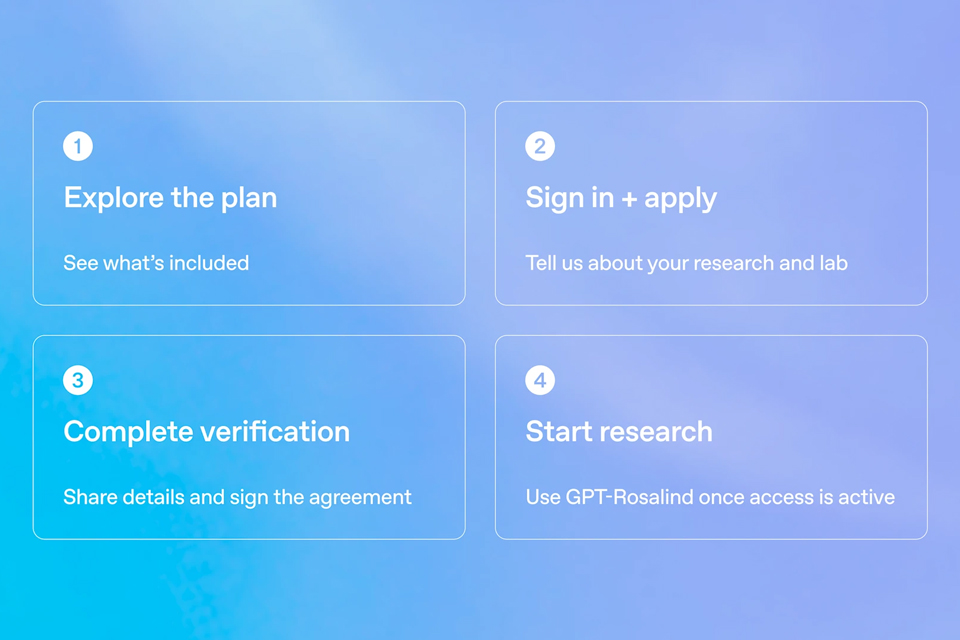
On October 15, OpenAI announced the Rosalind Academic Plan, giving approved US university labs free access to…
Neostellar Capital principal Evan Schlossman said CoreWeave's $103.7 billion in remaining performance obligati…

Supermicro Computer appointed Mark Long as chief financial officer, bringing an experienced technology finance…