What happened
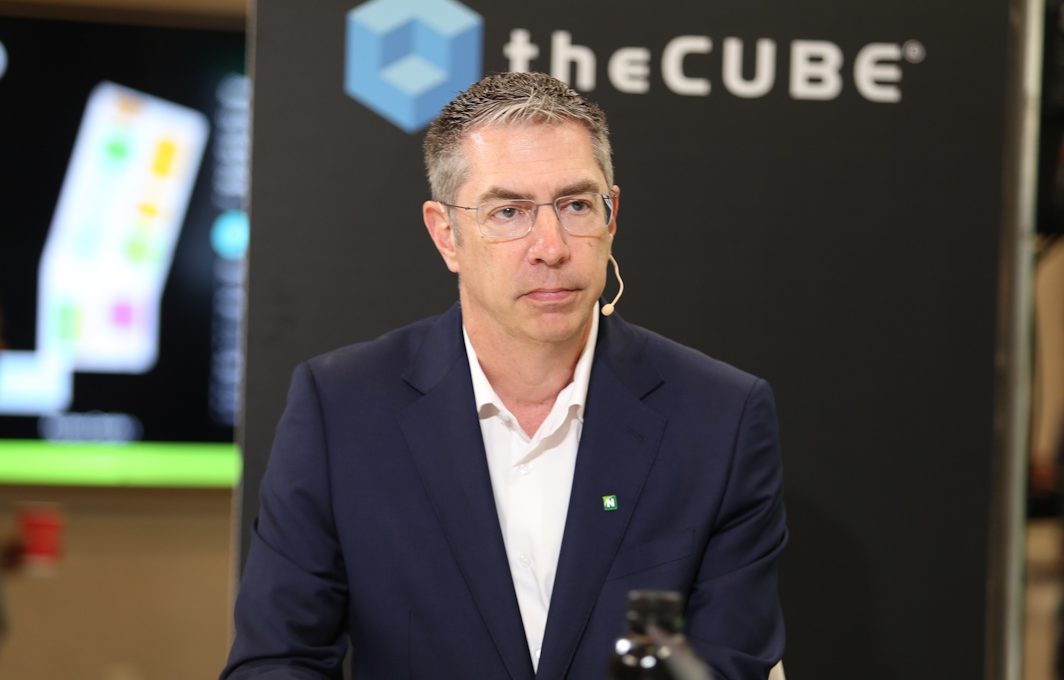
Northwest Bancshares CFO Doug Schosser told theCUBE he weighs AI proposals against three tests — customer impact, internal efficiency and risk reduction — and carried over the Workiva platform from KeyBank.
Why it matters
Schosser argues AI tools need the same early oversight as a junior analyst, since they handle similar tasks and data, and says poor processes should not be automated.
What to watch
The payoff hinges on whether curated data orchestration across finance, IT and business lines holds up; Schosser sees document history as raw material for training agents on routine roll-forwards.
WHO IT HITSCFOs and finance transformation teams at regional banks are the audience here, since Schosser's three-test screening and data-first sequencing offer a template for deciding which AI projects to scale. Software vendors selling AI reporting tools may face buyers who now ask about governance before features.
Ask the AI about this article →
Summaries like this, in your inbox every morning.
TheCUBE's interview with Doug Schosser traces a path that is becoming common in regional banking: a finance leader trained inside a much larger institution — in this case KeyBank National Association — arrives at a smaller lender and brings not just software but a method for deciding what gets scaled. Schosser's point is that the size and scale of the two firms are very different, yet the discipline of screening AI proposals travels well. At Northwest Bancshares, that discipline takes the form of three tests applied to every AI proposal: customer impact, internal efficiency and risk reduction.
The Workiva platform Schosser carried over illustrates how the mechanics work in practice. Its years of document history serve as raw material for training agents on routine roll-forward tasks, which in his framing frees the human workforce for detailed explanations and connecting the dots. But he ties that payoff to a precondition: accurate, curated data, which he describes as a large orchestration problem spanning finance, information technology and the lines of business.
What the interview leaves open is whether the oversight model can match the pace of the tools. Schosser's own comparison — that AI receives less scrutiny than a junior analyst doing similar work — suggests the discipline he is importing is still catching up with what the software can already do. For regional bank finance chiefs weighing similar moves, the practical question is whether data orchestration across three functions can be assembled before the next wave of agent capabilities arrives, and whether vendors like Workiva keep governance at the center as they launch specialized AI agents.
For example, today's edition would include:
AI-summarized, only the topics you pick — one digest a day via Email, Slack, or Discord.
Free · 30 seconds with Google · unsubscribe anytimeWhat is AIToday? →
Ask AI anything about this article. Q&As are published on this page for other readers too.
Alphabet is Berkshire's growth pick — nearly 106 million shares bought across its two tickers, lifting its por…

Dell Technologies and Axelera AI announced a collaboration on the new Europa AI Processing Unit architecture f…
Dell took almost $61 billion in AI server orders last quarter and ended with a $95 billion backlog

Denver-based Crusoe survived the crypto winter of 2022 and 2023, which sent many bitcoin miners to the brink o…

On the same Xeon 6980P silicon and socket count as MLPerf v6.0, Intel reported a 2.4x rise in Llama 3.1 8B Ser…

Bank of America CEO Brian Moynihan told investors that AI has helped the bank avoid layoffs