AIToday

Alibaba open-sources Zhenwu AI chip software, launches cloud supernode service

DIGITIMES Asia16h ago
Alibaba open-sources Zhenwu AI chip software, launches cloud supernode service

Key takeaway

Alibaba's chip design division T-Head has open-sourced the software stack for its Zhenwu AI processors and launched rack-scale supernode services through Alibaba Cloud. The move extends the platform from individual accelerators to full cloud-based computing systems, aiming to reduce software barriers for developers and enterprises building on Alibaba's proprietary AI chip architecture.

Summaries like this, in your inbox every morning.

Sign up free →

3 Key Points

  • What happened

    Alibaba Group's chip design unit T-Head has open-sourced the software stack for its Zhenwu AI processors and expanded the platform to include rack-scale supernodes and public-cloud computing services through Alibaba Cloud.

  • Why it matters

    Open-sourcing the software removes barriers for developers and enterprises to build on Alibaba's in-house AI chip architecture, potentially reducing dependence on proprietary vendor software stacks and accelerating local AI infrastructure adoption.

  • What to watch

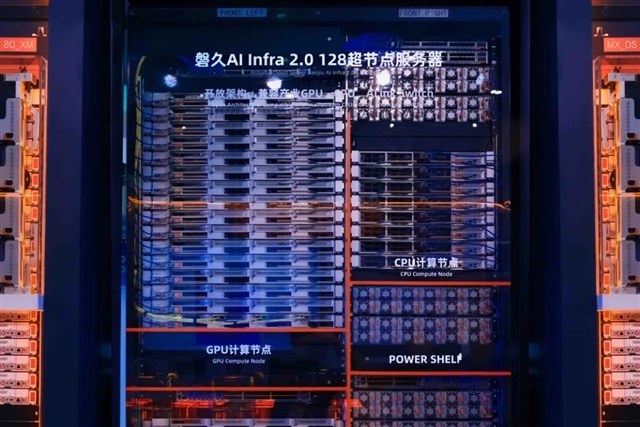
    The Panjiu AL128 supernode integrates AI accelerators and ALink switching hardware in a rack-scale system, signaling Alibaba's push to compete in the high-performance AI infrastructure market beyond individual chip sales.

In Depth

Alibaba Group's chip design unit T-Head has taken two coordinated steps to expand its AI processor footprint: the open-sourcing of the software stack behind its Zhenwu AI processors and the introduction of rack-scale supernode services. The Panjiu AL128 supernode integrates AI accelerators and ALink switching hardware into a single rack-scale system, delivered through Alibaba Cloud as a public-cloud computing service. This expansion moves the platform beyond individual accelerators into integrated systems that enterprises can deploy in the cloud, lowering the friction for developers and customers to adopt Alibaba's proprietary AI chip architecture without building their own software layers from scratch.

Context & Analysis

Alibaba's move to open-source the software stack behind its Zhenwu AI processors represents a shift in the company's strategy from proprietary chip design toward an integrated software-hardware platform approach. By releasing the software layer publicly, Alibaba is positioning itself to attract third-party developers and enterprises who might otherwise be locked into competing vendor ecosystems. The simultaneous launch of the Panjiu AL128 supernode—a rack-scale system combining AI accelerators and ALink switching—signals that Alibaba is not limiting its ambitions to standalone chip sales but is building a comprehensive cloud infrastructure service to compete directly in the high-performance AI computing market.

FAQ

What is the Panjiu AL128 supernode?
It is Alibaba Cloud's rack-scale system that integrates AI accelerators and ALink switching hardware to deliver integrated AI infrastructure.
Why did Alibaba open-source the Zhenwu software stack?
The article does not explicitly state Alibaba's stated rationale; it reports only that T-Head open-sourced the software and extended the platform to supernodes and public-cloud services.

Get the latest Open-Source AI news every morning

AI-summarized, only the topics you pick — one digest a day via Email, Slack, or Discord.

Free · takes 30 seconds · unsubscribe anytime

Discussion

No comments yet. Be the first to share your thoughts!

Log in to join the discussion

Related Articles

Stay ahead with AI news

Get curated AI news from 200+ sources delivered daily to your inbox. Free to use.

Get Started Free

Free · takes 30 seconds · unsubscribe anytime

1 minute a day. The AI essentials.

200+ sources · Email / LINE / Slack

Get it free →