What happened
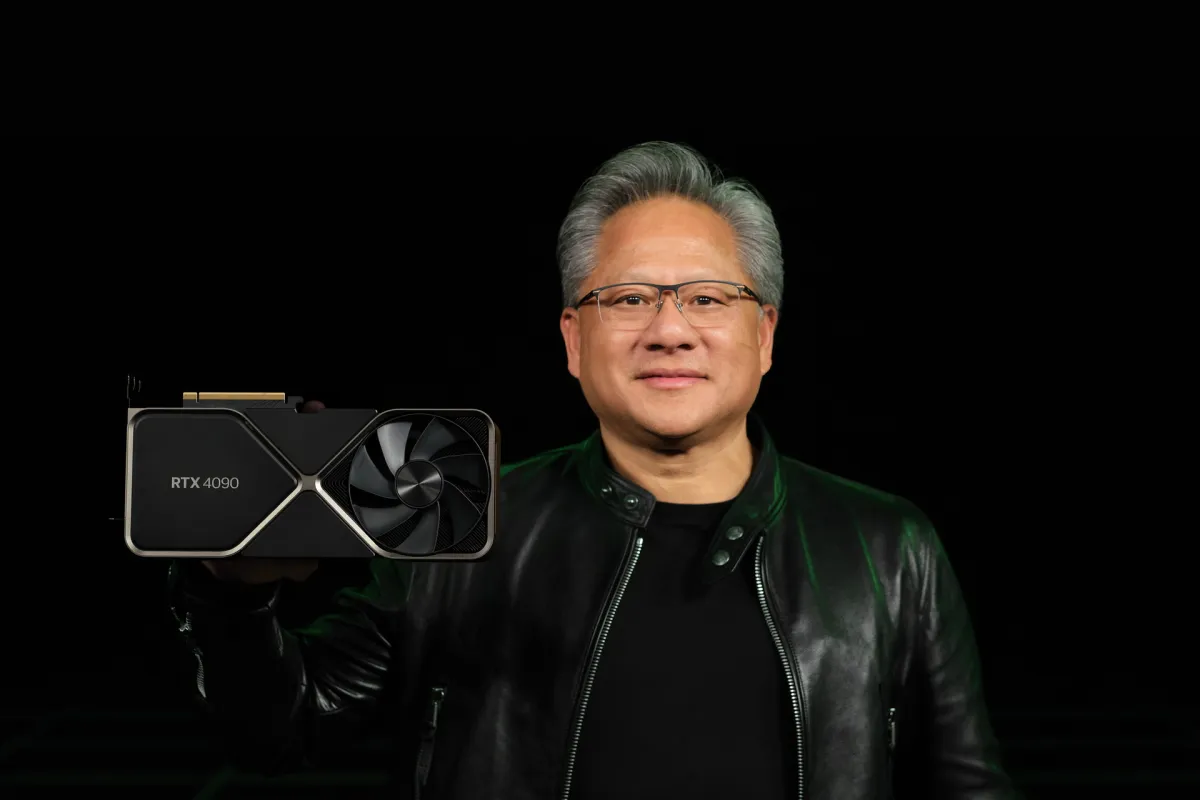
Anonymous sources told the New York Times that U.S. intelligence surveilled Megaspeed executive Alice Huang for about a year, suspecting a Chinese spy tie, after she was photographed with Nvidia CEO Jensen Huang at Singapore business dinners.
Why it matters
Nvidia denies any exposure, saying Huang's interactions are ordinary customer meetings and regional cloud customers get ordinary business information, not trade secrets or national-security-relevant data — so the suspicion rests on proximity, not a proven leak.
WHO IT HITSThe story lands on Nvidia's international sales and government-affairs teams, who must defend CEO-level customer relationships in export-regulated markets, and on compliance staff at regional cloud resellers like Megaspeed, where vetting of executives may face fresh scrutiny.
Summaries like this, every morning.
The report turns on proximity rather than any demonstrated leak. Alice Huang, identified as a top executive of the Singapore-based AI cloud firm Megaspeed, appeared alongside Jensen Huang in photographs at business dinners in the Singapore region, and that closeness is what U.S. intelligence agencies spent about a year examining, according to anonymous sources cited by the New York Times. The stated worry was whether she could have been collecting information about Nvidia's plans and about the CEO's lobbying of the Trump administration to permit shipments of more advanced technology to China.
Nvidia's response draws a line between customer access and confidential information. A spokesperson told TechCrunch that Huang's meetings are ordinary for a chief executive who talks with thousands of customer executives a year, and that regional cloud customers receive ordinary business information rather than sensitive trade secrets or anything relevant to national security. That framing matters because the concern described by sources is about potential exposure, not an established theft.
Megaspeed itself is not a new name in export-control discussions. The Times reported in 2025 that the Commerce Department had investigated the firm over concerns it helped Chinese companies sidestep AI chip export regulations by reselling restricted chips, with Alice Huang described as a top executive at that time. The surveillance account and the earlier probe are separate threads, but together they illustrate how scrutiny of chip flows to China can extend from corporate compliance to individual executives, and potentially to the CEO-level customer relationships of a chip supplier itself.
Pick your industry and the AI tools you use, and get news related to your work every day.
Free · 30 seconds with Google · unsubscribe anytimeWhat is AIToday? →
Ask AI anything about this article. The AI reads this article, earlier AIToday articles, and Wikipedia, and cites its sources. Q&As are published on this page for other readers too.
Microsoft is offering voluntary buyouts to around 60,000 employees across the US, UK, Canada, and India, far b…

Dream, founded by ex-Palantir executives Andy Elder and Arjun Mathur, emerged from stealth with $17 million in…

Samsung's operating profit for the July-September quarter hit a record 107.4 trillion won ($80.5 billion), wit…
Anthropic filed its S-1 to list on the Nasdaq, targeting a valuation of $1.5 trillion to $2 trillion, and disc…
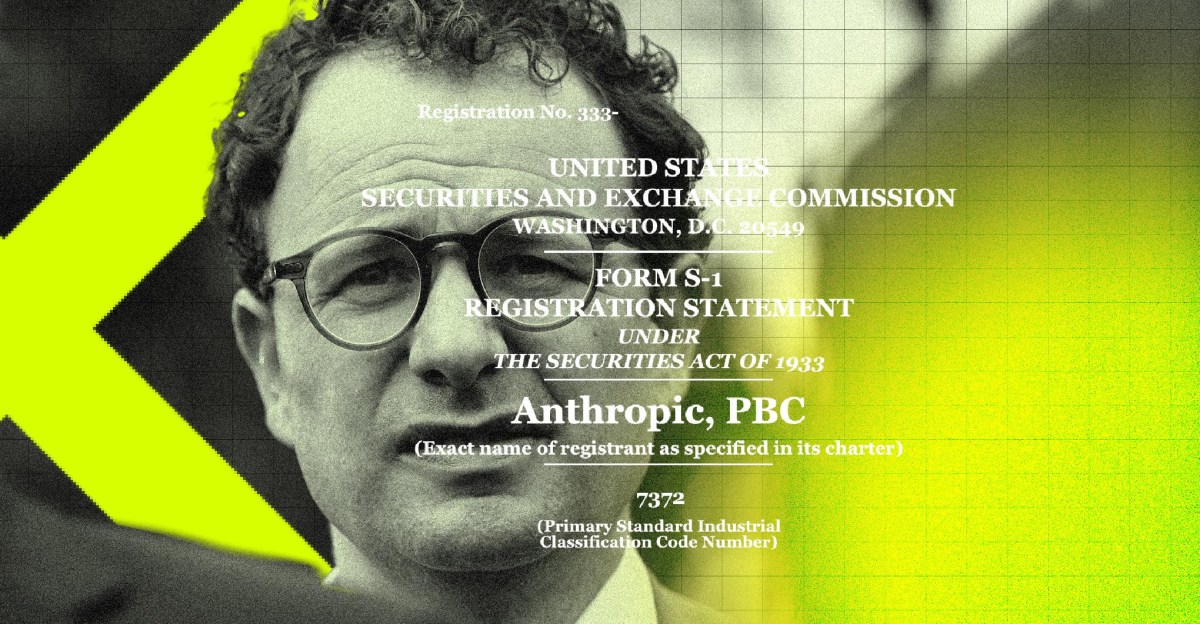
Anthropic's S-1 discloses revenue grew fourteen times to $16.3 billion between the first half of 2026 and the…

Wabi, now describing itself as a 'personal agent,' said it raised $55 million at a $1.25 billion valuation, in…