What happened
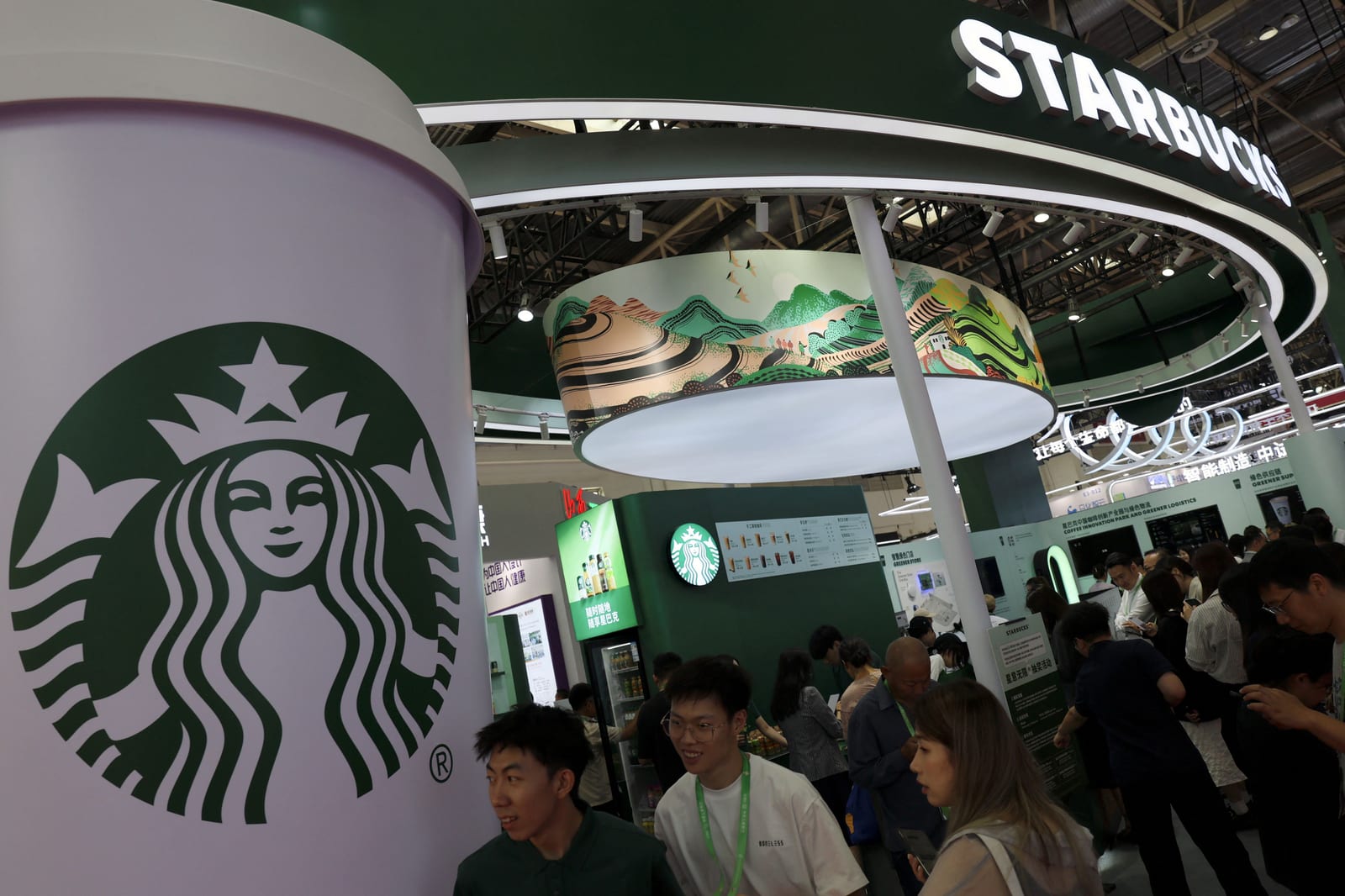
Starbucks opened its first cafés in China's Xinjiang region. The chairman of the US House committee on China called the move "morally bankrupt," saying it "ties an iconic American brand to the CCP's brutal campaign against the Uyghurs."
Why it matters
The opening puts an iconic American brand inside a region that activists and US lawmakers have criticized, and the committee chairman's "morally bankrupt" charge signals the expansion is being read as political, not just commercial.
What to watch
The test is whether the criticism changes Starbucks' expansion plans in the region. Watch for any statement from Starbucks or further responses from US lawmakers.
WHO IT HITSThis lands on Starbucks' China operations and public-affairs teams, who now face US political scrutiny over store openings, and on consumer brands weighing similar expansion into scrutinized regions.
Summaries like this, in your inbox every morning.
Starbucks' move into Xinjiang marks its first cafés in a region that has drawn sustained scrutiny from activists and US lawmakers over human rights allegations, which Beijing denies. The company has not, according to the article, issued a response to the criticism.
The timing sits alongside Beijing's broader effort to rebrand the region. Chinese state media reported a 22% year-on-year increase in new foreign-funded enterprises and a 10% rise in foreign investment in 2025, with more than 300 million foreign visitors generating $53 billion — figures Beijing has pointed to as evidence of the region's openness.
For Starbucks, the stakes appear to hinge on whether the political criticism translates into concrete pressure on its China business or reputation, or remains rhetorical. The article does not indicate any change to the expansion plans.
Pick your industry and the AI tools you use, and get news related to your work every day.
Free · 30 seconds with Google · unsubscribe anytimeWhat is AIToday? →
Ask AI anything about this article. The AI reads this article, earlier AIToday articles, and Wikipedia, and cites its sources. Q&As are published on this page for other readers too.

