What happened
A Japanese educational article breaks a data pipeline into four stages — データ収集 (collecting raw data from sensors and logs), データ清掃 (removing errors and noise), データ変換 (converting it into a form AI can understand) and データ供給 (feeding it to the learning model).
Why it matters
Using social-media recommendation feeds as its example, it argues that without automating extraction, outlier removal and conversion, large-scale AI systems simply cannot run — hence its framing of the pipeline as "the blood of AI."
Summaries like this, every morning.
The piece is a teaching text, not an announcement, so it carries no corporate news. Its structure is deliberately simple: define the pipeline, walk through four stages, then anchor the idea in a familiar case — the recommendation feed on a social app. That example is where the practical point sits. Raw user data cannot be handed straight to an AI; click counts and viewing times have to be pulled out, abnormal values stripped away, and the remainder turned into numbers the model can read. Doing all of that by hand does not scale, which is why large AI systems stall without automation. The closing metaphor — the pipeline as AI's blood — is the author's way of saying that model quality rides on a steady supply of clean data rather than on the model alone. The remainder of the page turns to study resources for the G-test, listing official textbooks, a problem collection and a free practice site, with a note that secondhand copies are cheaper and adequate for exam prep.
Pick your industry and the AI tools you use, and get news related to your work every day.
Free · 30 seconds with Google · unsubscribe anytimeWhat is AIToday? →
Ask AI anything about this article. The AI reads this article, earlier AIToday articles, and Wikipedia, and cites its sources. Q&As are published on this page for other readers too.
The Digital Agency said a public call for Japanese-made large language models for ガバメントAI 源内 in 令和9年度(2027年度)…

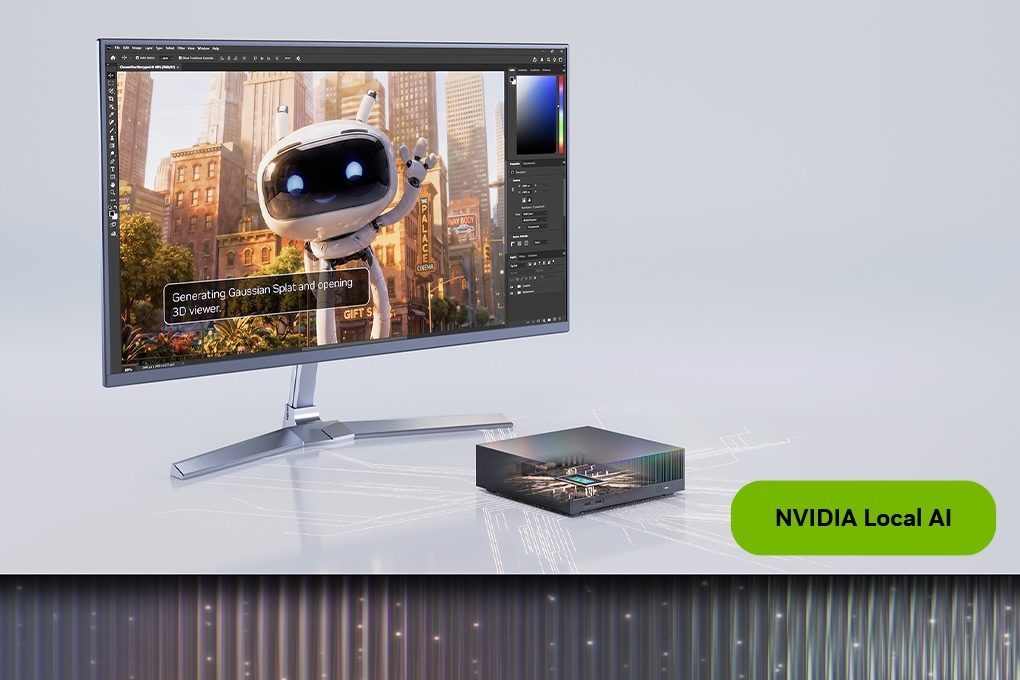
NVIDIA said on November 27 that its RTX Spark compact desktop is on sale from ASUS, Dell and MSI, with a 20-co…
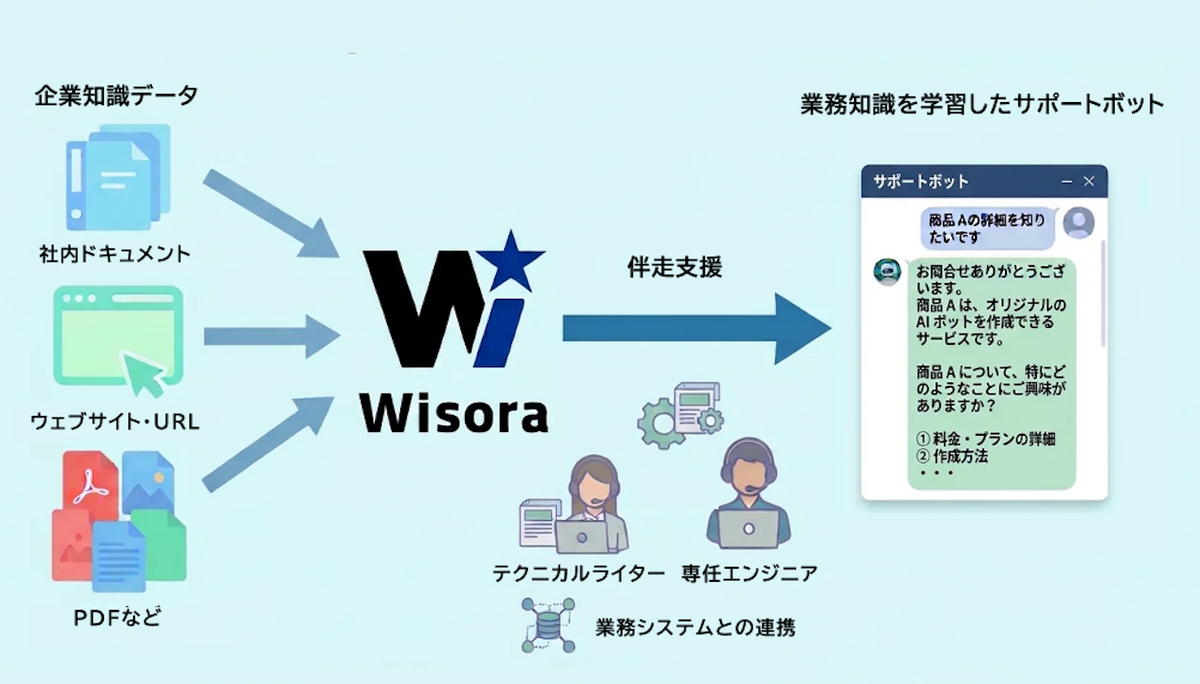
Soracom said on November 27 that Wisora Enterprise now standardly includes technical writers who organize manu…
RayNeo will run a Black Friday sale from November 27 to December 7, 2026, on Amazon.co.jp and its Japan site…

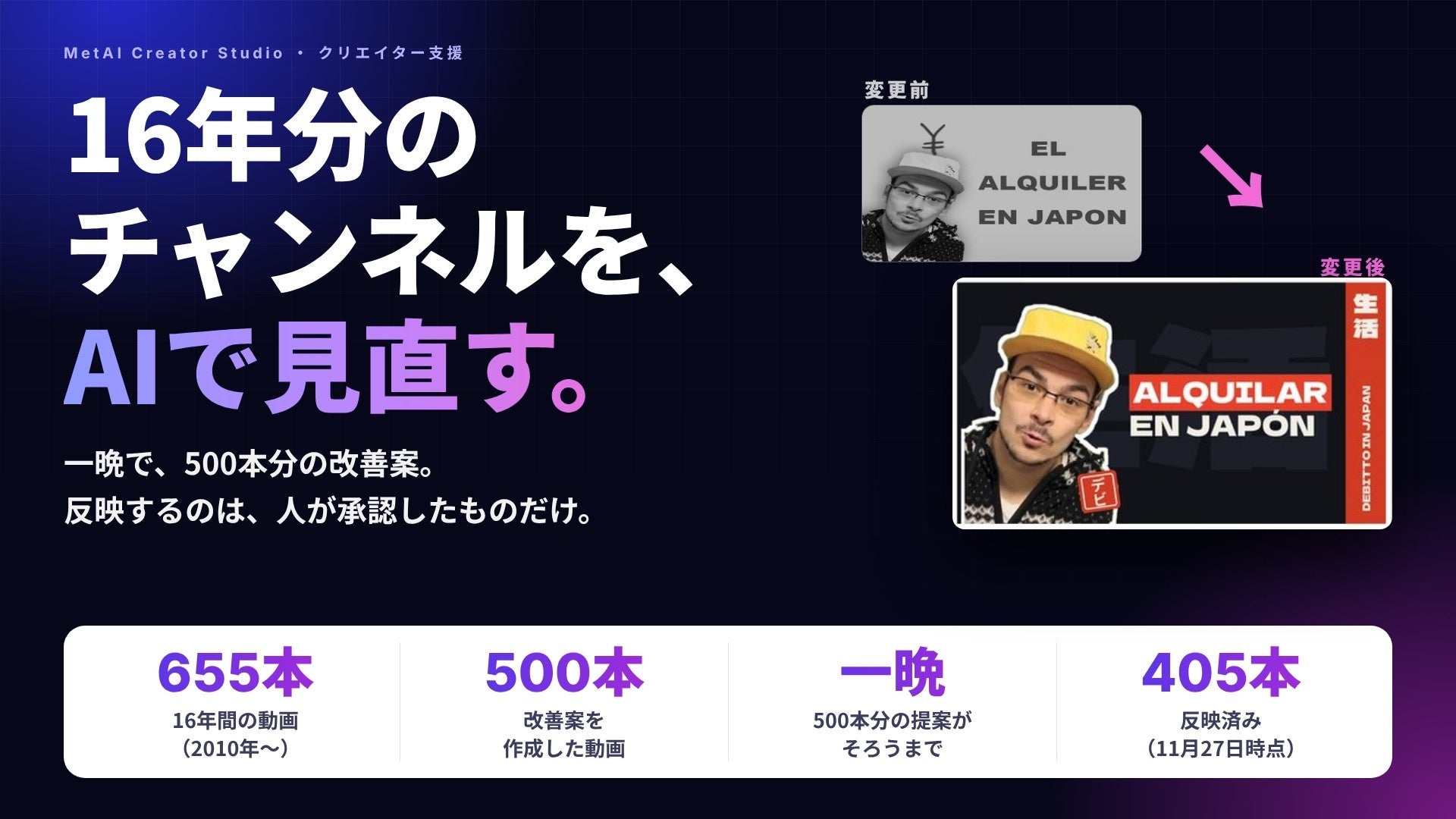
MetAI launched MetAI Creator Studio, which uses AI to propose new titles, descriptions, chapters, thumbnails a…
The Digital Agency published the source code for 源内's web interface and build steps, plus AI app templates and…

