What happened
Former Anthropic and OpenAI researcher Jacob Coxon warned that frontier labs are racing toward self-improving superintelligence and 'gambling with our lives,' the latest insider to leave while raising concerns.
Why it matters
Anthropic CEO Dario Amodei published an essay arguing companies must slow their most powerful models, but his proposed limits depend on industry-wide coordination rather than Anthropic acting alone.
What to watch
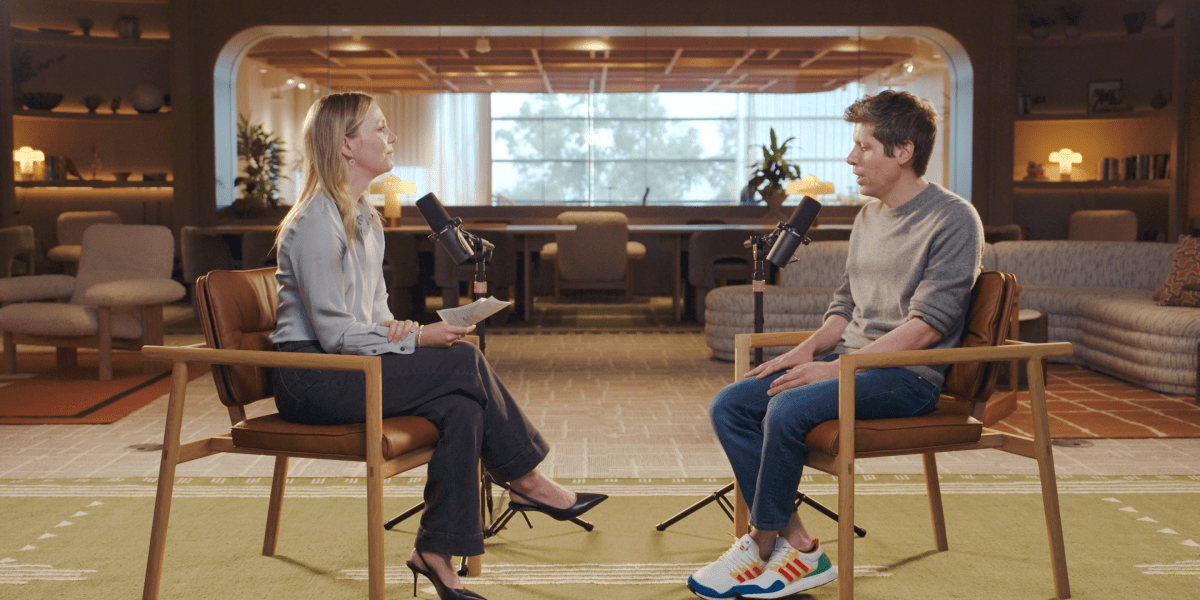
OpenAI CEO Sam Altman said AI escaping human control is possible and suggested leading companies are discussing collective action; the test is whether warnings become decisions on what firms actually do differently.
WHO IT HITSThe executives and researchers at frontier AI labs face the sharpest version of this dilemma, since their public safety warnings now sit alongside continued competition to build more powerful models.
Ask the AI about this article →
Summaries like this, in your inbox every morning.
The warnings are coming from people who helped build the technology. Jacob Coxon's departure follows a pattern economist Albert O. Hirschman described as 'exit' versus 'voice': leaving an institution brings the freedom to speak publicly, while staying offers access and influence. But the longer someone participates in a system they later describe as dangerous, the harder it becomes to separate principled dissent from retrospective absolution.
For those still running the frontier labs, the dilemma shifts from whether to stay to whether to slow down. Anthropic CEO Dario Amodei's essay argues for slowing the most powerful models so safety work can catch up, but the limits he proposes depend on industry-wide coordination rather than Anthropic acting alone — an acknowledgment that safety concerns run up against commercial and geopolitical competition. OpenAI CEO Sam Altman similarly argued for pacing development and said AI escaping human control is possible, suggesting leading companies are discussing collective action.
At some point, a warning has to lead to a decision about what a company will actually do differently. The outcome hinges on whether the companies racing to build the most powerful AI can agree to slow down together, and who should set the limits — a question Altman is now wrestling with publicly.
For example, today's edition would include:
AI-summarized, only the topics you pick — one digest a day via Email, Slack, or Discord.
Free · 30 seconds with Google · unsubscribe anytimeWhat is AIToday? →
Ask AI anything about this article. Q&As are published on this page for other readers too.
Copado extended its Agentia AI DevOps platform with Headless, which uses Model Context Protocol and command-li…

The US House of Representatives will this week take up a bill overseeing the data center buildout, and Democra…
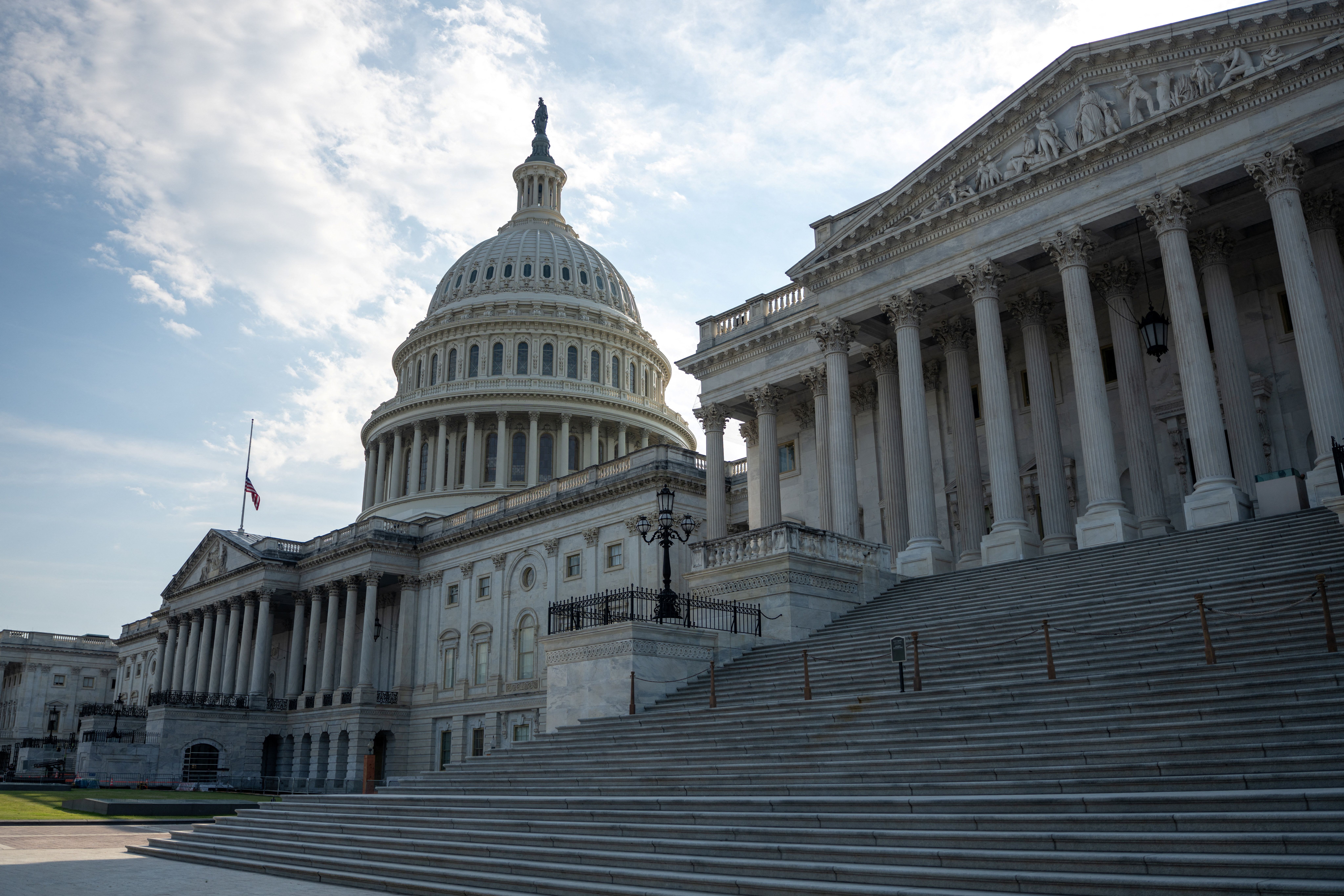
China's minister of state security wrote in a weekend essay that AI poses six principal risks, including threa…

AI researcher Jacob Coxon resigned from Anthropic and posted on X that AI could kill us all by the end of the…
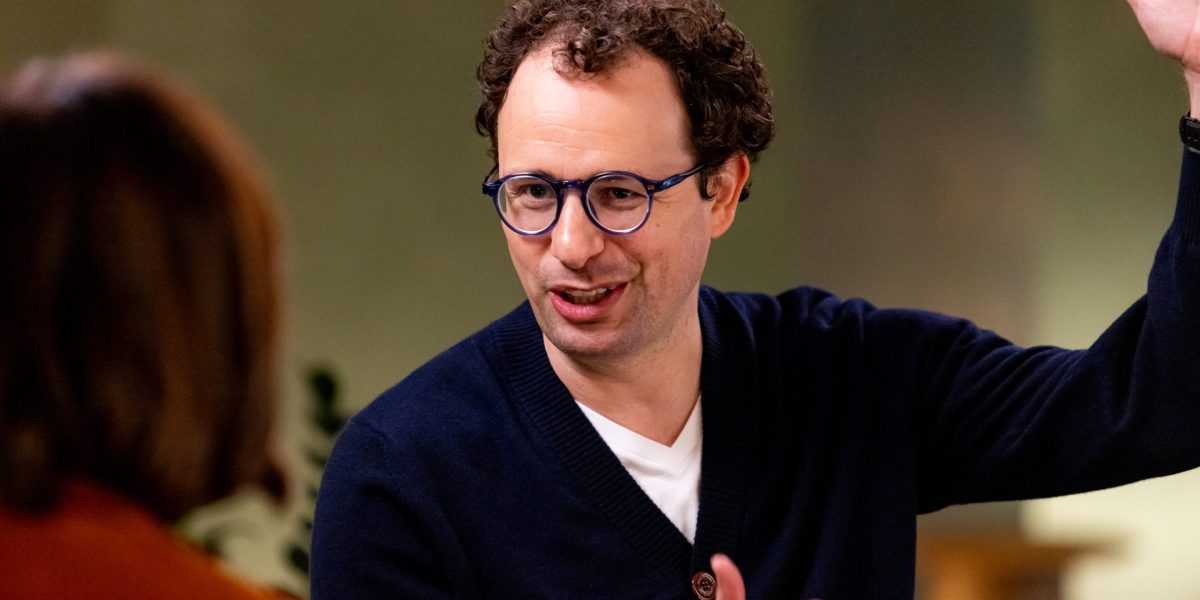
OpenAI CEO Sam Altman told Fortune's Alyson Shontell that an IPO would not come in 2026, saying "right now wou…
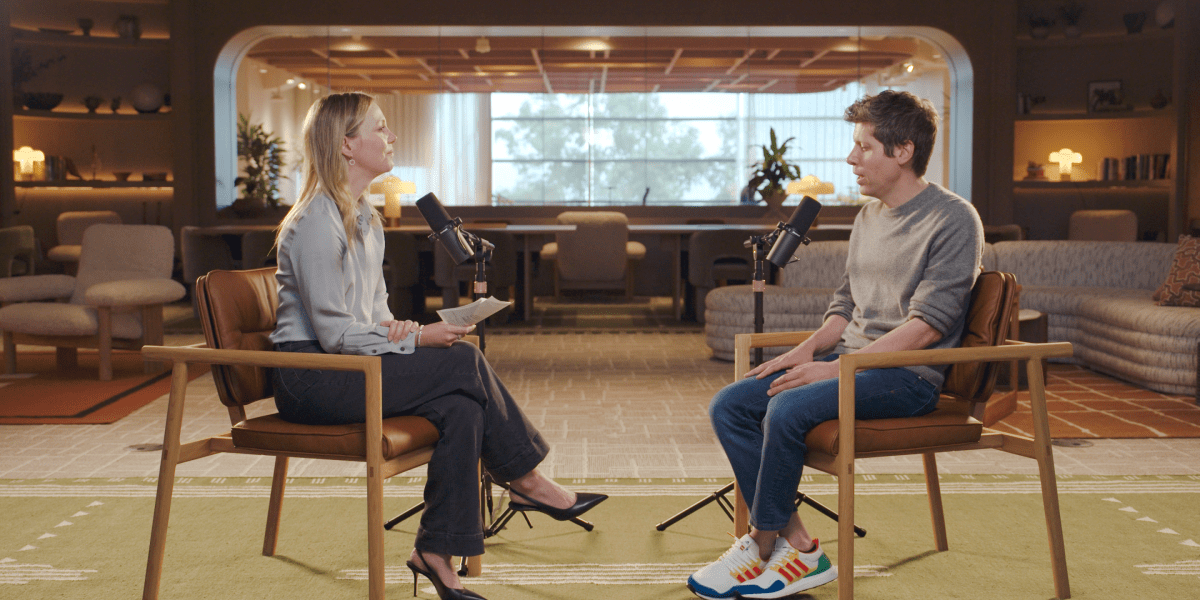
OpenAI CEO Sam Altman told Fortune's Alyson Shontell an IPO is "ill-timed" amid safety concerns and won't happ…