What happened
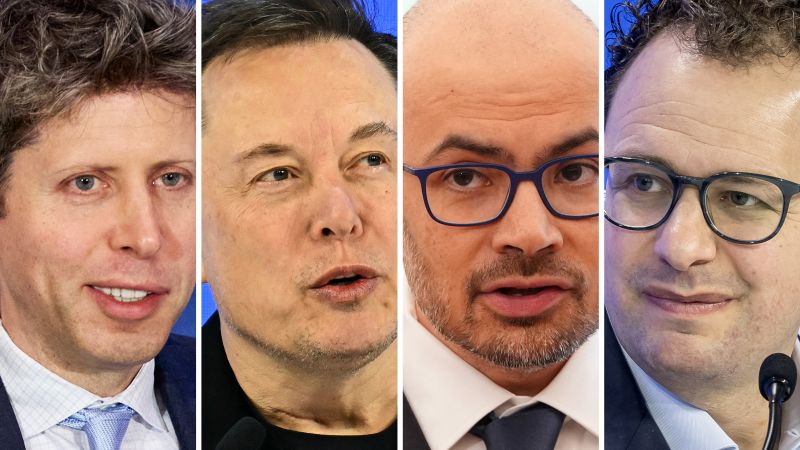
A lawsuit filed Friday in the U.S. District Court for the Northern District of California claims Anthropic, OpenAI, SpaceXAI and Google illegally agreed to coordinate AI slowdowns, pointing to Anthropic CEO Dario Amodei's Sept. 12 essay and same-day supportive responses from OpenAI CEO Sam Altman, SpaceXAI CEO Elon Musk and Google DeepMind's Demis Hassabis.
Why it matters
The plaintiffs argue that coordination among these leading AI companies would reduce the value paid subscribers get for their subscriptions.
What to watch
The lawsuit hinges on whether the plaintiffs can prove an illegal agreement, since the plaintiffs do not object to companies individually slowing down. Watch whether the companies respond to the request for comment.
WHO IT HITSThe lawsuit directly affects the four named AI companies and their paid subscribers. It also lands on AI safety teams and legal counsel at rival labs, who now face a test of whether public calls for coordinated slowdowns can be treated as an illegal agreement.
Summaries like this, in your inbox every morning.
The lawsuit traces the alleged coordination to a specific chain of public statements. It says the coordination largely took place on Sept. 12, when Anthropic CEO Dario Amodei published an essay urging industrywide cooperation on decelerating advancements in favor of safety measures, and that OpenAI CEO Sam Altman, SpaceXAI CEO Elon Musk and Google DeepMind co-founder and chair Demis Hassabis each publicly responded in agreement that same day. The plaintiffs also point to a July 2026 statement signed by high-ranking employees from several leading AI labs, which acknowledged the "intense competitive pressure not to unilaterally slow" development and called on the government to support a global effort to slow automated AI development.
The case sits against a broader political backdrop the article describes. President Donald Trump rejected calls for regulation and said he is forming an AI task force and will appoint an "AI czar," while Sen. Josh Hawley said at a recent Senate hearing that "there is no world" in which he would give the most powerful companies an antitrust exemption to collaborate. In his essay, Amodei acknowledged potential antitrust challenges and wrote that a narrow waiver for certain kinds of safety conversations from the U.S. government would be helpful, while Altman said OpenAI welcomes a federal framework but does not believe it needs an antitrust exemption or legislation to begin the work.
The outcome is likely to hinge on whether the plaintiffs can show that the public statements and the July 2026 statement crossed from individual safety advocacy into an agreement. The plaintiffs say they do not object to companies individually deciding to slow their own progress, but argue antitrust laws forbid substituting collective restraint for individual accountability. How the court treats that line, and whether the government's stance shifts, could shape how openly rival AI labs discuss shared safety standards going forward.
For example, today's edition would include:
AI-summarized, only the topics you pick — one digest a day via Email, Slack, or Discord.
Free · 30 seconds with Google · unsubscribe anytimeWhat is AIToday? →
Ask AI anything about this article. Q&As are published on this page for other readers too.
Simply Wall St's most-followed KLA narrative sets fair value at $232.43 versus a $176.99 close, with the stock…
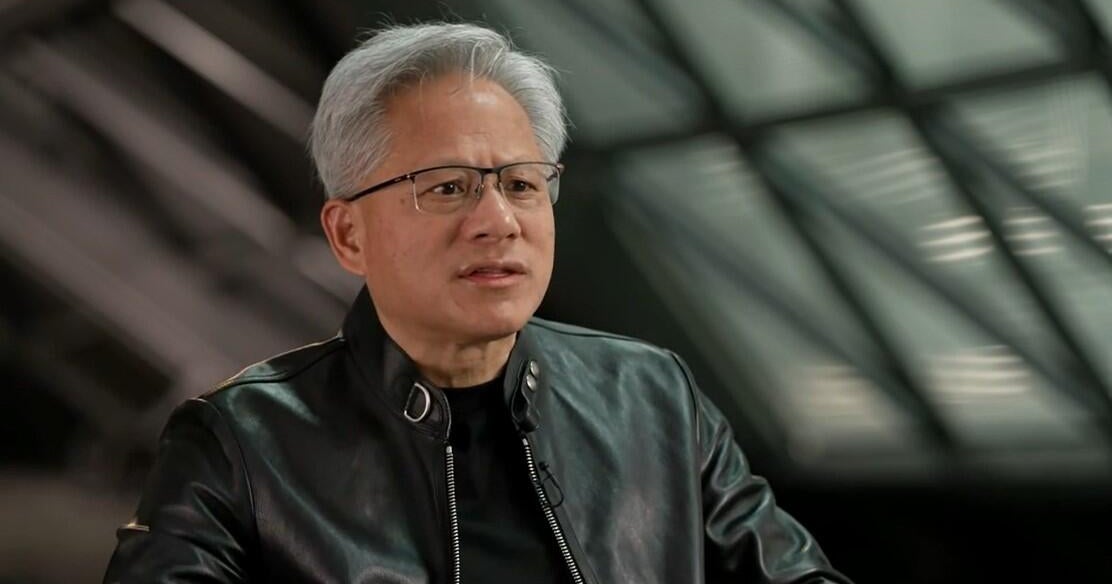
Nvidia founder and CEO Jensen Huang told CBS News that AI development should move 'as fast as we can irrespect…
Visa joined Mastercard and Ant International to design a shared Know Your Agent framework, aimed at standardis…

Broadcom projected roughly $58 billion in AI semiconductor revenue for fiscal 2026, about $115 billion in fisc…
Berkshire Hathaway's latest 13F filing, covering holdings as of June 30, shows it bought more than 48 million…

Aehr Test Systems reported FY2026 revenue of $50.0 million, down 15.2% from the prior year, and a net loss of…