What happened
Observe by Snowflake has published customer evidence that its AI SRE, built on unified telemetry storage and a context graph, can speed up incident troubleshooting. Several customers could troubleshoot up to 10x faster, with an average of over 4x faster.
Why it matters
The company says the investigation baseline for a complex incident is 10 minutes to detect, 120 minutes to investigate, 15 minutes to remediate, and 370 minutes for root cause analysis, with only 30% completion. Most AI SREs fail because they are bolted onto architectures that don't integrate deeply into the data platform, so important information is missing.
What to watch
Productivity gains from AI assistance clustered in the 3x-10x range, with 30% of interactions showing more than 5x improvement and 5% exceeding 10x. One automotive SaaS provider reduced incident investigation time from over three hours to minutes.
Summaries like this, in your inbox every morning.
The core argument from Observe by Snowflake is that an AI SRE is only as accurate as the data foundation it sits on. The company identifies three necessary layers: unified, cost-efficient telemetry storage; a context graph that models semantic relationships between infrastructure, applications, services, and business data; and an AI SRE that uses agent-optimized interfaces to leverage those layers. Without all three, teams may get fast output but miss critical signals, extending incidents.
The evidence is based on Observe's analysis of 3,163 AI SRE conversation spans from October to November 2025, using a methodology from Anthropic's framework for measuring AI productivity. The largest gains came from investigations that required synthesizing large volumes of data across multiple sources quickly. Customer examples include a location intelligence company, a sports and entertainment operator, and an automotive SaaS provider, which all reported faster incident response and greater system stability.
Pick your industry and the AI tools you use, and get news related to your work every day.
Free · 30 seconds with Google · unsubscribe anytimeWhat is AIToday? →
Ask AI anything about this article. The AI reads this article, earlier AIToday articles, and Wikipedia, and cites its sources. Q&As are published on this page for other readers too.
Chunghwa Telecom president Rong-shy Lin said the shift from conversational AI to autonomous AI agents is resha…
CoreWeave fell 5% in premarket trading Friday and was on track to finish the week down 15%, after rebounding f…
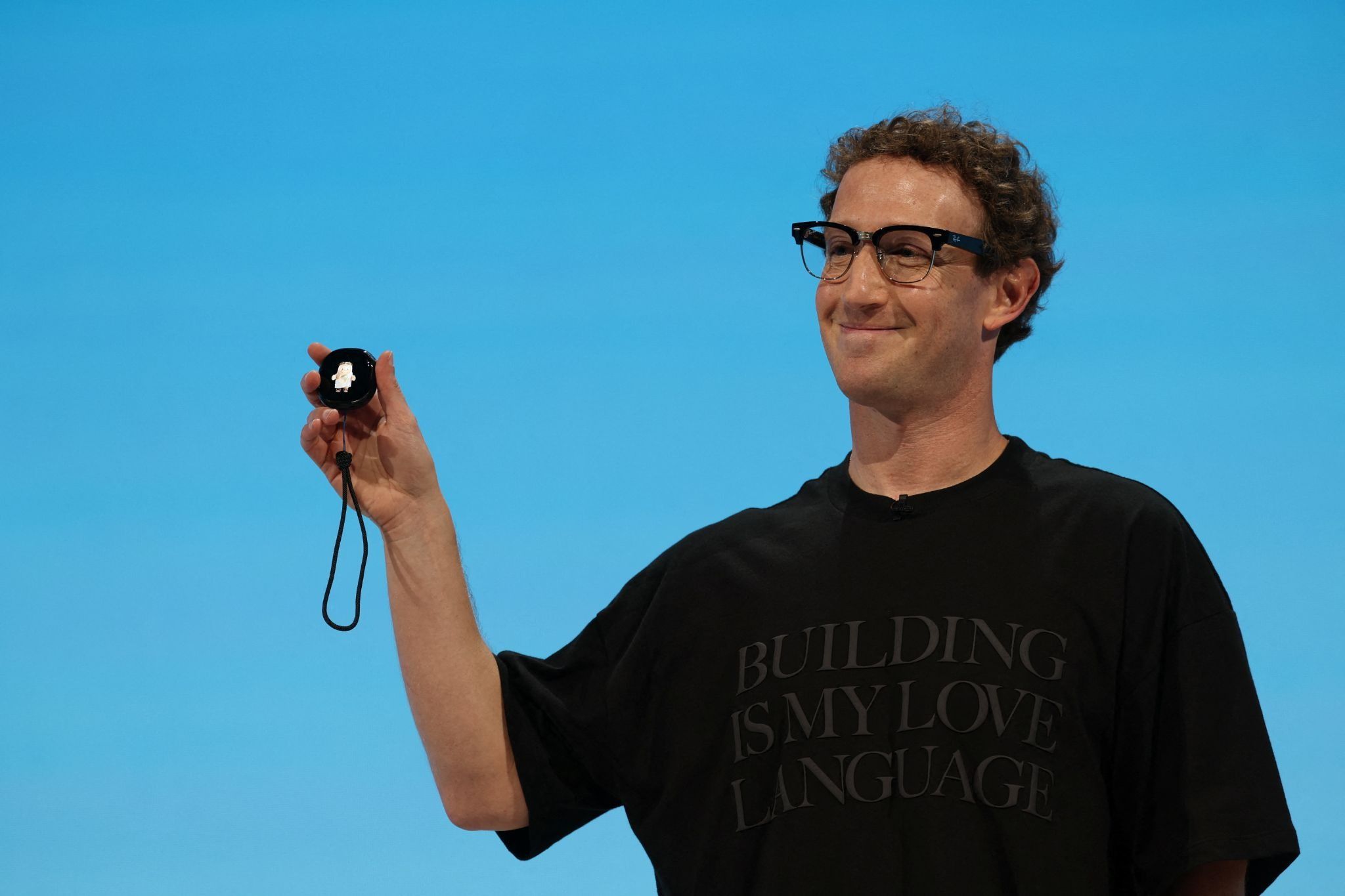
Apple and Meta said they would jointly release a new open-weight AI model designed to run on high-end Macs, ai…
Investors put $38.5 billion into Asian startups in Q3, per Crunchbase data

A writer and entrepreneur opened his daily to-do list and found 156 items, and concluded that an AI assistant…

A longtime Anthropic investor told Fortune he expects shares priced around $1.8 trillion, below the company's…