What happened
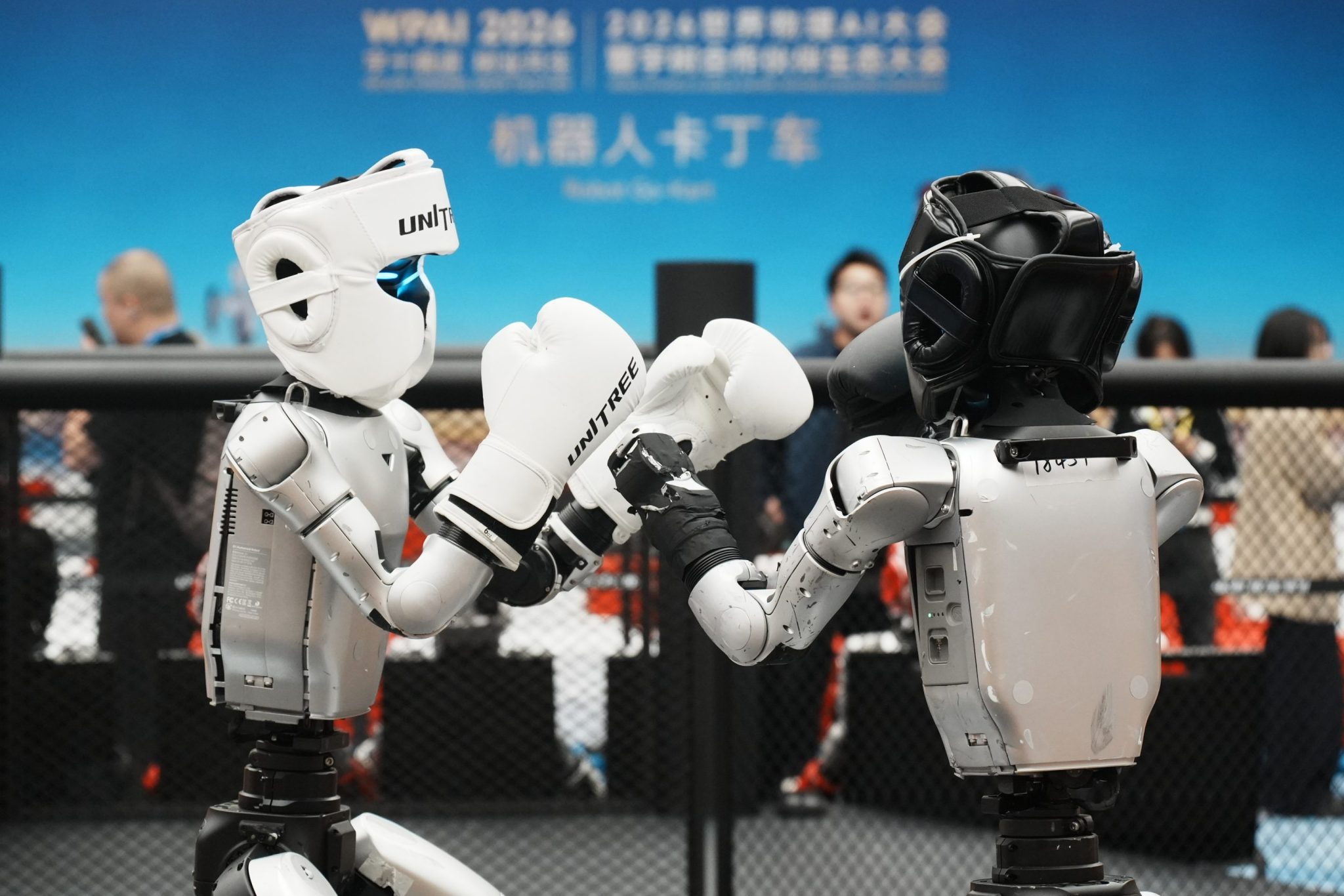
At Beijing's World Humanoid Robot Games, Tiangong Ultra ran 100 meters in 8.64 seconds and then crashed into the barrier, a year after the winning time was 21.5 seconds.
Why it matters
The crash shows physical AI is uneven—strong on trained skills like sprinting, weak on handling the unexpected—so executives must map where robots can be trusted today.
Summaries like this, every morning.
The authors' week in Shenzhen and Beijing convinced them that physical AI is the real AI revolution and is arriving far faster than companies or governments are preparing for. They trace the unevenness of robot capabilities to layered intelligence: System 0, which controls balance and stability, has raced ahead, which is why robots can sprint. System 1, which turns perception into action, is still learning to handle the unexpected, which is why they crash into barriers and fumble unfamiliar objects. Figure's Helix 02 system illustrates this, with a single learned model of 10 million parameters replacing 109,504 lines of hand-written code for System 0.
Conventional automation has already crossed much of the first two rooms, with China installing 354,000 industrial robots in 2025, 59% of the world total, and Amazon deploying its one millionth robot in July 2025. The next wave will bring robots that manipulate objects in spaces designed for humans, so factories will not need to be rebuilt around them. Early milestones include Figure's humanoids loading sheet-metal parts at BMW's Spartanburg plant for 11 months and AgiBot reporting a 99.99% success rate over 64,828 tasks at Longcheer's tablet factory.
The third room is being crossed now, as Swiss discounter Denner began rolling out 200 cleaning robots from Pudu Robotics, run by local distributor Robobee. China is testing the next step around the clock, with AgiBot running six humanoids for 24 hours in a Shanghai convenience store, four of which passed the final assessment. The home is the last room, but robotic vacuums and lawn mowers are already there. The authors argue that speed matters because when a robot steps outside the frontier, the cost is a damaged shelf or an injured worker, and the rules are not ready, with Europe's AI-specific requirements pushed to a delegated act due by August 2028 and ISO 25785-1 still in draft.
Pick your industry and the AI tools you use, and get news related to your work every day.
Free · 30 seconds with Google · unsubscribe anytimeWhat is AIToday? →
Ask AI anything about this article. The AI reads this article, earlier AIToday articles, and Wikipedia, and cites its sources. Q&As are published on this page for other readers too.
XPeng will hold its 2026 AI Day on November 25 in Guangzhou, themed "Origin," its eighth annual technology sho…
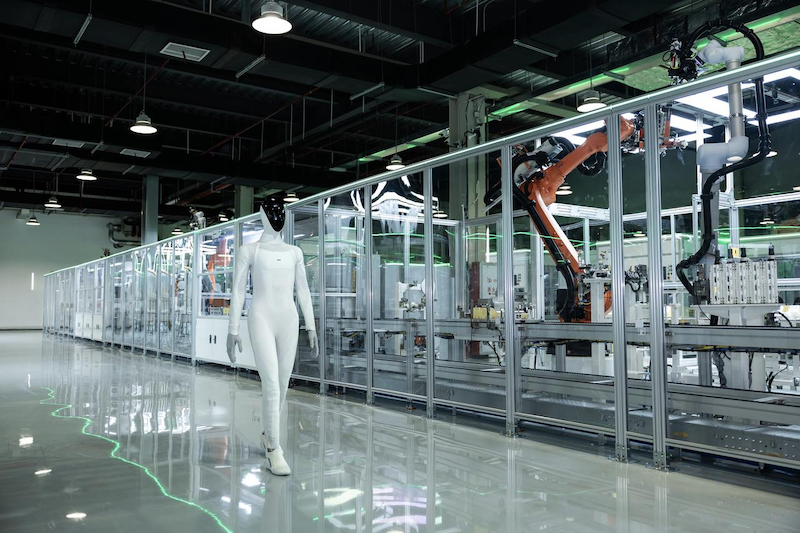
An Amazon Prime Air MK30 drone struck a fiber-optic line while climbing away after delivering shampoo in Hunti…
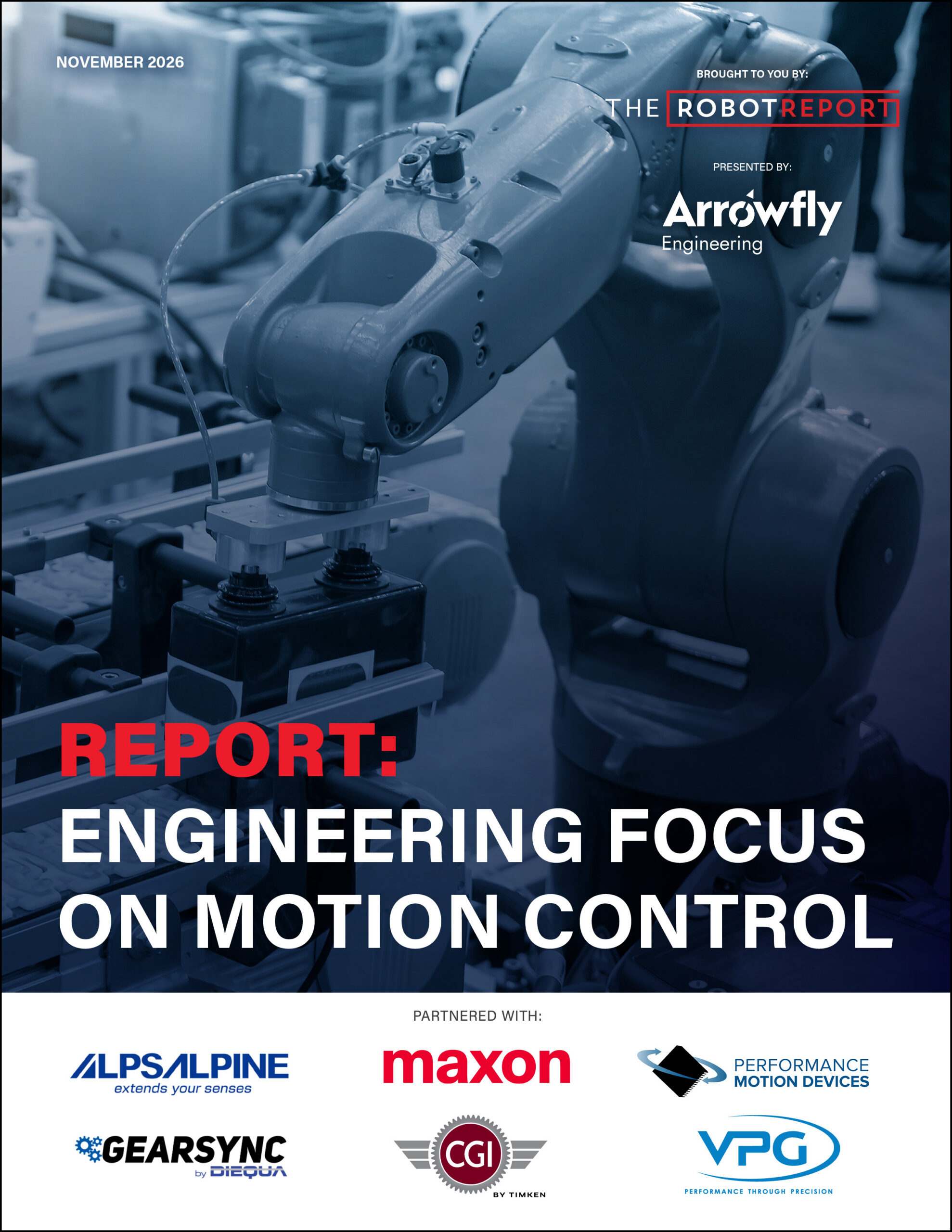
The Robot Report published a free 32-page Engineering Focus on Motion Control report, covering topics from hum…
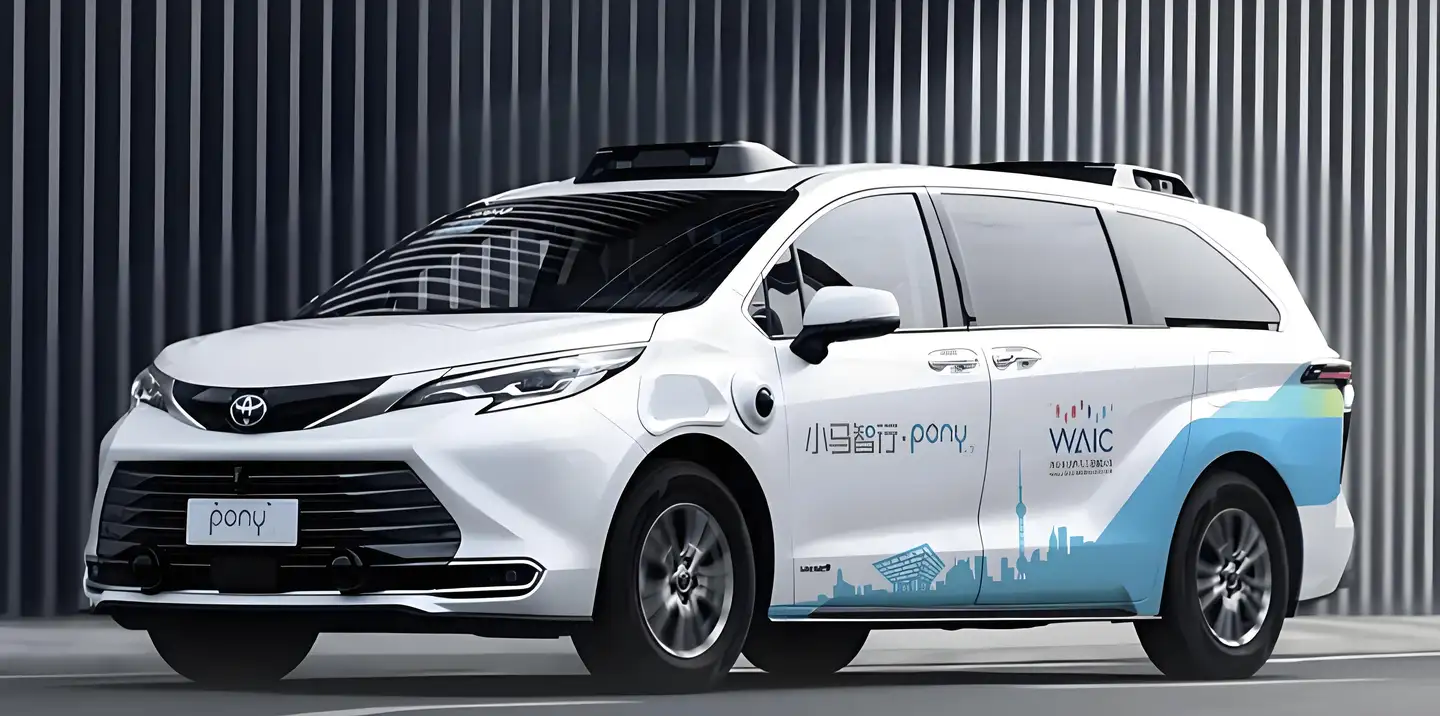
The Toyota–Pony.ai robotaxi service in Guangzhou is shifting to fully driverless operation, and the partners p…
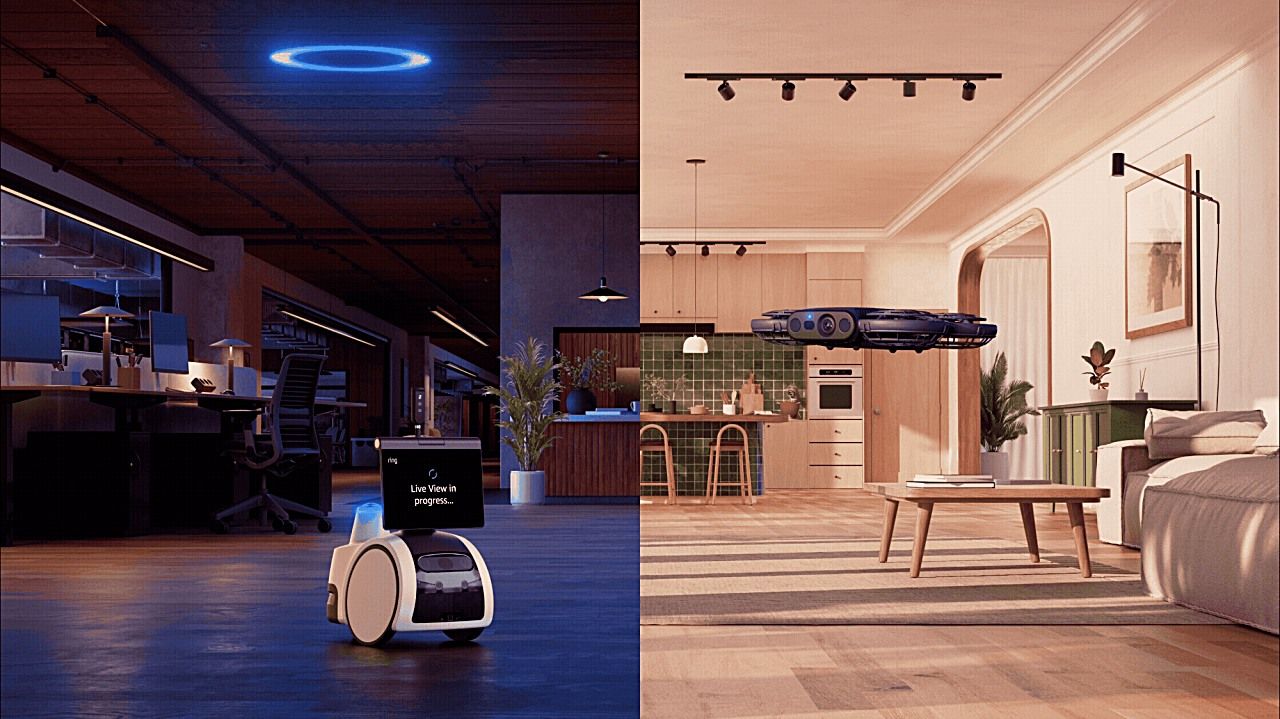
Ring, owned by Amazon, announced a flying security drone that heads to the scene when a sensor triggers, plus…
At CEATEC, held alongside Japan Mobility Show Bizweek 2026, railway firms including JR East and JR West presen…