What happened
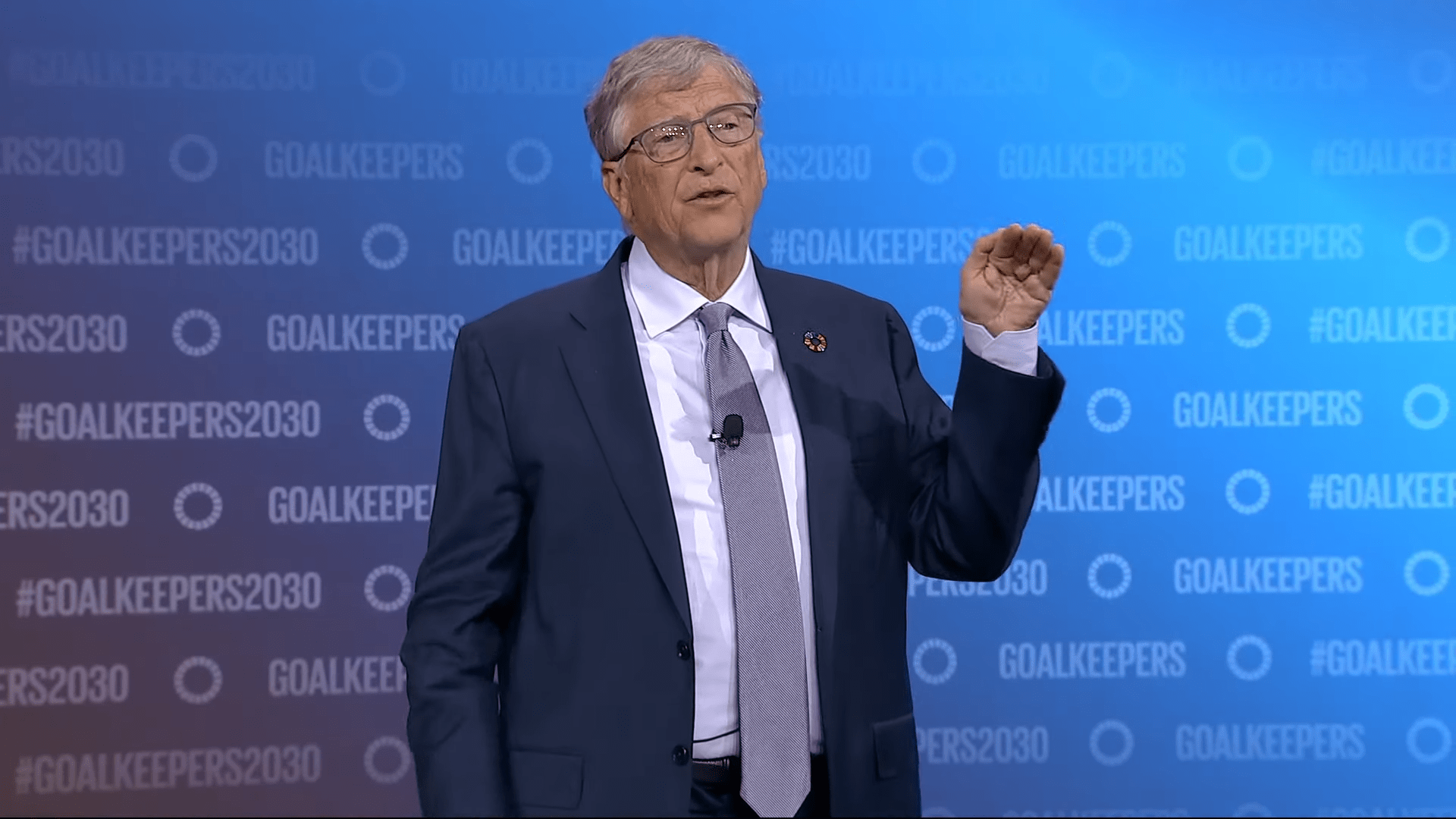
The Gates Foundation plans to spend at least a billion dollars over the next two years on AI access in health, education, and agriculture. Gates warned in the 2026 Goalkeepers report that AI could widen the rich-poor gap.
Why it matters
Gates says decisions in the next 12 to 18 months will decide whether AI benefits the haves or the have-nots. Over 90 percent of early language-model training data came from English sources, and speech recognition fails over 60 percent of the time in Yoruba.
What to watch
The test is whether the foundation's pilots scale — Kenya's Penda Health showed a 16 percentage point accuracy gain, and Sierra Leone students gained up to 1.7 years in eight weeks. India's MahaVISTAAR already reaches more than 740,000 farmers.
WHO IT HITSThis lands on global health and education workers in low-income countries, where AI tools have lagged, and on developers building non-English AI systems, who could gain new training data and funding. It also puts pressure on tech companies to justify leaving underserved markets to the market.
Ask the AI about this article →
Summaries like this, in your inbox every morning.
Gates's move comes after he struck a far darker tone in a nearly 6,000-word essay, accusing the tech industry of knowingly downplaying AI risks because too much money is on the line. He named lasting job losses, the misuse of AI to build bioweapons, and the psychological toll of always-available AI companions as real dangers. The Goalkeepers report now presents the other side of that argument, pitching the same technology as an enormous promise if its benefits are won through policy rather than left to chance.
The foundation's language argument is central: with more than 90 percent of early training data from English sources, the very people who could gain most from AI are barely represented. Gates contrasts roughly a billion mostly English-speaking users whose tools improve monthly with the other seven billion, and he argues the market alone is "a terrible guarantor of equal opportunity." The pilots in Kenya, Sierra Leone, and India are meant to show that targeted spending can change that.
The bet is part of a much larger plan: the foundation aims to spend around 200 billion dollars before it shuts down in 2045, which Bloomberg says amounts to 99 percent of Gates's remaining fortune. The question is whether these pilot results hold up when scaled, and whether the next 12 to 18 months of decisions about how AI is built, funded, and deployed bend toward the people who have the least.
For example, today's edition would include:
AI-summarized, only the topics you pick — one digest a day via Email, Slack, or Discord.
Free · 30 seconds with Google · unsubscribe anytimeWhat is AIToday? →
Ask AI anything about this article. Q&As are published on this page for other readers too.
Chevron jumped about 2.1% to $216.58 Tuesday afternoon as Brent crude climbed to $109.20 per barrel amid Saudi…

Walmart CEO John Furner is turning the retailer's 5,200 U.S

Coca-Cola President and CFO John Murphy told Yahoo Finance that AI is not 'the path forward' for the company's…

Perplexity released Portable Computer for Windows in partnership with Nvidia, via its existing Windows app

Meta introduced Meta One, a global subscription with 50+ features across Instagram, Facebook, WhatsApp, and Me…

Bank of America is replacing only 75% of employees who leave while doubling its budget for AI, per eFinancialC…