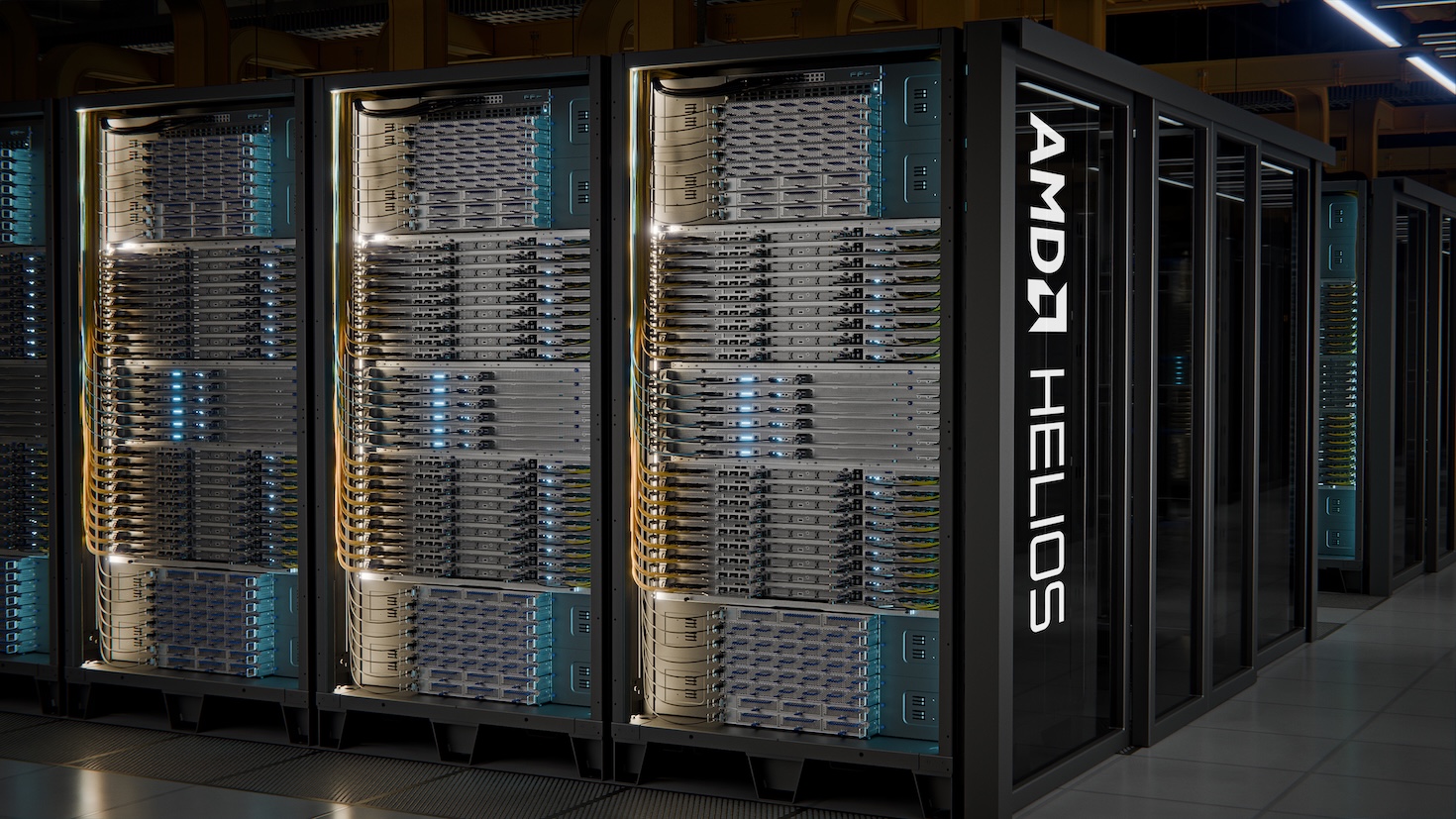
AMD and NVIDIA are racing to cut energy use in AI data centers—a central cost and climate concern for large tech companies. AMD pledges a 20-fold efficiency gain by 2030, roughly three times the historical pace.
NVIDIA highlights a 10-fold leap in its latest architecture.
Energy efficiency matters because the vast majority of both firms' carbon footprint stems from how customers use their products.
What happened
AMD pledged on August 18 to achieve a 20-fold increase in rack-scale energy efficiency for AI data centers by 2030 from a 2024 baseline—meaning two server racks in 2030 would do the work of 570 in 2024. NVIDIA claims a 10-fold improvement in energy efficiency for its Vera Rubin architecture compared with its Blackwell predecessor.
Why it matters
Both chipmakers are using energy efficiency as a key selling point to companies facing greenhouse gas reduction commitments and rising electricity costs for AI infrastructure. AMD says an estimated 85 percent of its own GHG emissions come from use of its data center products, making product efficiency its largest lever. AMD has already delivered a fourfold increase in energy efficiency between 2024 and 2026, putting it on pace to meet its 2030 target—three times faster than historical industry averages.
What to watch
AMD has tied efficiency-per-watt targets to companywide bonuses and every product team's performance review. Energy efficiency alone does not guarantee emissions reduction if production volume grows faster, so shareholder advocates like Green Century are pressing both companies for fuller transparency: NVIDIA's Scope 3 emissions (supply chain and product use) grew about 54 percent between fiscal 2025 and 2026 to about 10.7 mt of CO2e, and the company has not published a specific target for those emissions.
Ask the AI about this article →
AMD and NVIDIA face mounting pressure from enterprise customers and shareholders to prove their AI infrastructure reduces energy demand and carbon emissions as data center power consumption accelerates. Both companies compete directly in selling chips and systems to hyperscalers like Meta, Microsoft, and OpenAI—customers now factoring environmental impact into procurement decisions.
AMD's public commitment carries particular weight because the company discloses not only product efficiency targets but also ties them to internal incentives: every team has efficiency-per-watt goals tied to companywide bonuses. The company's Aug. 18 blog post and corporate responsibility report detail its rack-level approach, integrating compute, memory, interconnects, and cooling. AMD has already demonstrated a fourfold gain in two years, suggesting the 20-fold pledge by 2030 is not merely aspirational marketing. However, the company's calculations include rack-level cooling but exclude broader data center heat removal, limiting the scope of measurement.
NVIDIA's 10-fold efficiency claim for Vera Rubin over Blackwell is notable but less transparent. NVIDIA does not disclose progress toward its fiscal 2030 emissions-reduction target of 75 percent per PetaFLOP, and the company declined to comment for this article. More critically, NVIDIA has not set a public target for Scope 3 emissions—the vast majority of its carbon footprint—despite those emissions growing 54 percent in the last fiscal year. Shareholder advocates argue this gap undermines NVIDIA's credibility: energy efficiency metrics alone do not guarantee emissions reduction if production volumes climb faster than per-unit efficiency gains improve.
For example, today's edition would include:
AI-summarized, only the topics you pick — one digest a day via Email, Slack, or Discord.
Free · takes 30 seconds · unsubscribe anytimeWhat is AIToday? →
Ask AI anything about this article. Q&As are published on this page for other readers too.
Visko raised $10 million in pre-seed funding from Llama Ventures and opened public access to its first foundat…

U.S. markets ended August higher, with the S&P 500 up 2.6% and the Nasdaq up 3.9%

Neurovia AI, an Abu Dhabi-based company, is pitching Saudi security agencies software that it says can compres…

AI company Runway has unveiled Solaris, the first model in a new category it calls "Interface World Models." I…

John Deere introduced JD, a conversational AI tool that lets farmers ask open-ended questions about their hist…
Nvidia CEO Jensen Huang said on Fox Business that AI is creating 'hundreds of thousands' of jobs, including in…