
Kao is using two AI agents to predict demand and cut inventory by 25% through 2027.
The agents analyze historical sales data and market signals, then recommend actions that human teams verify before execution.
As the agents prove reliable, Kao plans to grant them more autonomous control over ordering and forecasting.
What happened
Kao is deploying two AI agents—Kao-MIKOMIL (starting July 2026) and KATE—to forecast demand by analyzing historical data and market signals. The agents predict inventory needs and identify optimization points across product lines, aiming to reduce inventory by 25% through 2027 compared with 2024.
Why it matters
AI agents that can operate autonomously across multiple systems remain rare; most require human oversight to function safely. Kao's approach—where humans verify AI recommendations before execution—reduces operational risk while shortening the decision cycle. As agents gain trust through repeated validation, Kao plans to gradually hand over more autonomous decision-making, which could reshape how large manufacturers manage supply chains.
What to watch
Kao is using digital data silos and demand forecasting as the proof ground, with plans to expand KATE across other product lines. The company is also testing how much autonomy it can safely grant the agents as confidence builds—a model other manufacturers may copy if the 25% target is met.
Ask the AI about this article →
Kao's deployment reflects a broader shift in how manufacturers are experimenting with AI autonomy. Rather than building a single all-knowing AI system, the company is using specialized agents—one for demand planning (Kao-MIKOMIL) and one for cross-product coordination (KATE)—each focused on a discrete problem. By grounding both agents in historical data and market signals, Kao creates a concrete audit trail; humans can understand *why* an agent made a recommendation before approving it.
The phased autonomy model Kao is adopting—starting with human verification, then gradually expanding agent authority—addresses a real industry concern: autonomous AI can cause costly errors if it fails silently. By keeping humans in the loop initially, Kao builds institutional confidence. The 25% inventory target is substantial enough to justify the infrastructure investment, and the July 2026 start date suggests the pilot phase is already advanced. Success here could push other consumer goods companies to adopt similar agent-based supply chain management, particularly if Kao publishes results on both the inventory reduction and the human labor implications.
AI-summarized, only the topics you pick — one digest a day via Email, Slack, or Discord.
Free · takes 30 seconds · unsubscribe anytime
Ask AI anything about this article. Q&As are published on this page for other readers too.
Thomson Reuters Corp. today launched Thomson, its first proprietary large language model, combining its legal…

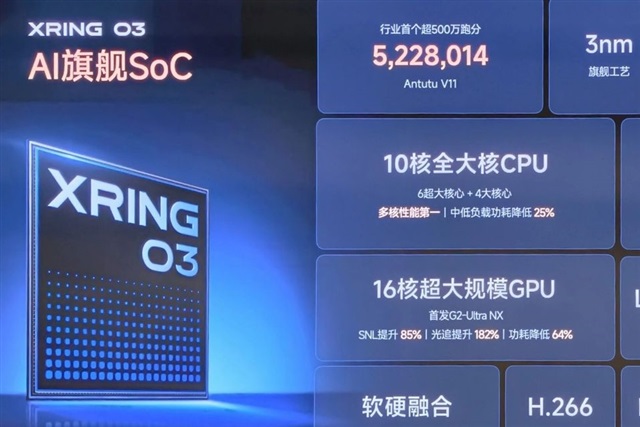
Xiaomi is expanding its in-house semiconductor push from smartphones into AI acceleration and autonomous drivi…
Amazon told investors it now expects to spend $220 billion in 2026, which is $20 billion more than its prior c…
BMO Capital started coverage of AMD with an Outperform rating and a $550 price target

More than 500 seed- or venture-backed private companies have sold to other private, venture-backed companies s…

Cerebras has introduced its CS-4 AI accelerator, a rack-scale product that CEO Andrew Feldman calls the fastes…