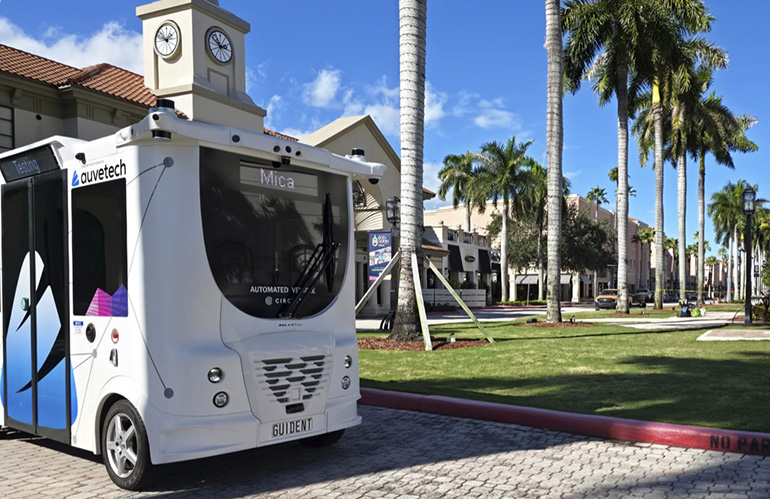
What happened
Guident CEO Harald Braun said human-in-the-loop oversight is still needed for robotaxi fleet safety, with AI-driven monitoring and remote operators assisting when autonomous systems face situations they cannot resolve. The company operates six remote monitoring and control centers and has partnered with six autonomous shuttle operators.
Why it matters
As robotaxi fleets grow, such as Zoox recently starting to charge for rides in Las Vegas and partnering with Uber, there are no federal standards for AV safety. Braun argues for a consistent framework for monitoring, incident reporting, and human intervention to build public trust and enable widespread adoption.
What to watch
Guident last week extended its partnership with Coastal Waste & Recycling by three years, as deployments of its WatchBot inspection robot expand across Florida, Georgia, and South Carolina. Braun emphasized that a properly designed remote-operations system adds a safety layer without replacing onboard autonomy.
Summaries like this, in your inbox every morning.
Guident's message comes as robotaxi services expand commercially, with Zoox beginning to charge for rides in Las Vegas and partnering with Uber across multiple cities. Braun stresses that existing road-safety rules are not enough because AVs face new situations, and he calls for consistent, real-world data so regulators can distinguish isolated incidents from systemic issues. He also notes the difference between robotaxis and mobile robots, given robotaxis' higher speeds and passenger exposure.
Braun argues that a human-in-the-loop architecture should not mean manual control of every vehicle, but rather AI-driven monitoring that surfaces unusual situations to a remote operator who can intervene when legal and appropriate. He believes this layer is essential for scaling from pilots to large fleets, and he defends third-party monitoring as a way to provide redundant connectivity and standardized data without stifling innovation. The company's recent expansion of its WatchBot inspection robot partnership with Coastal Waste & Recycling shows its broader focus on field robotics beyond robotaxis.
Pick your industry and the AI tools you use, and get news related to your work every day.
Free · 30 seconds with Google · unsubscribe anytimeWhat is AIToday? →
Ask AI anything about this article. The AI reads this article, earlier AIToday articles, and Wikipedia, and cites its sources. Q&As are published on this page for other readers too.
In Q2, billionaires or their funds sold six 'Magnificent Seven' AI stocks
Nvidia was rising early Friday, even as the wider chip sector kept falling, Barron's reported
JR Central announced the S0系 on October 16, its first full model change since the N700S, with commercial servi…

TSMC reported about NT$763.1b in Q3 net profit and confirmed that demand for advanced processors is running ah…
Nvidia-backed CoreWeave steadied Thursday after a sharp slump, as investors worried about the debt financing b…

CoreWeave, a fast-growing Nvidia-backed cloud provider, saw its stock and bond prices fall sharply in a sell-o…