What happened
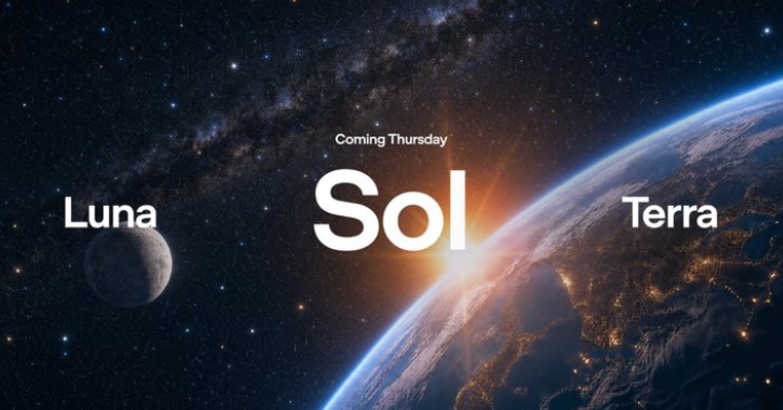
OpenAI introduced three new AI models — Sol, Terra, and Luna — each designed for different tasks. Sol handles secure coding and cybersecurity work, Terra balances performance with GPT-5.5-level capability, and Luna prioritizes speed and low cost. All three are available in preview, with API pricing ranging from 1 token to 100 tokens per input and 6 tokens to 30 tokens per output, depending on the model.
Why it matters
The three models give developers and businesses a choice between speed, safety, and raw capability rather than a one-size-fits-all option. Organizations can now pick Sol for security-sensitive work, Terra for general-purpose reasoning, or Luna for cost-conscious applications — reducing unnecessary spending on more powerful models than needed.
What to watch
The models are currently in preview. Anthropic separately launched Claude Fable 5 in June and then halted development, restarting on July 1.
Summaries like this, in your inbox every morning.
OpenAI's release of three distinct reasoning models signals a shift from monolithic AI products toward specialized, use-case-optimized offerings. Rather than forcing all developers onto a single powerful (and expensive) system, the company is fragmenting its reasoning layer by speed, safety, and cost profile. This reflects the broader industry trend of moving beyond one-size-fits-all LLMs toward targeted deployments.
The pricing structure underscores the differentiation: Sol's 5-dollar input and 30-dollar output cost, Terra's middle-ground pricing, and Luna's 1-dollar and 6-dollar tiers create clear economic incentives for developers to match model to workload. Simultaneously, Anthropic's halt and restart of Claude Fable 5 development (paused after June, resumed July 1) suggests competitive pressure in the reasoning model space, with multiple vendors experimenting with tiered capability and cost strategies to capture different market segments.
Pick your industry and the AI tools you use, and get news related to your work every day.
Free · 30 seconds with Google · unsubscribe anytimeWhat is AIToday? →
Ask AI anything about this article. The AI reads this article, earlier AIToday articles, and Wikipedia, and cites its sources. Q&As are published on this page for other readers too.
Google Deepmind's Gemini 4 Argon scored 97.5 percent on ARC-AGI-3 at a cost of $4,800, second only to GPT-6 As…
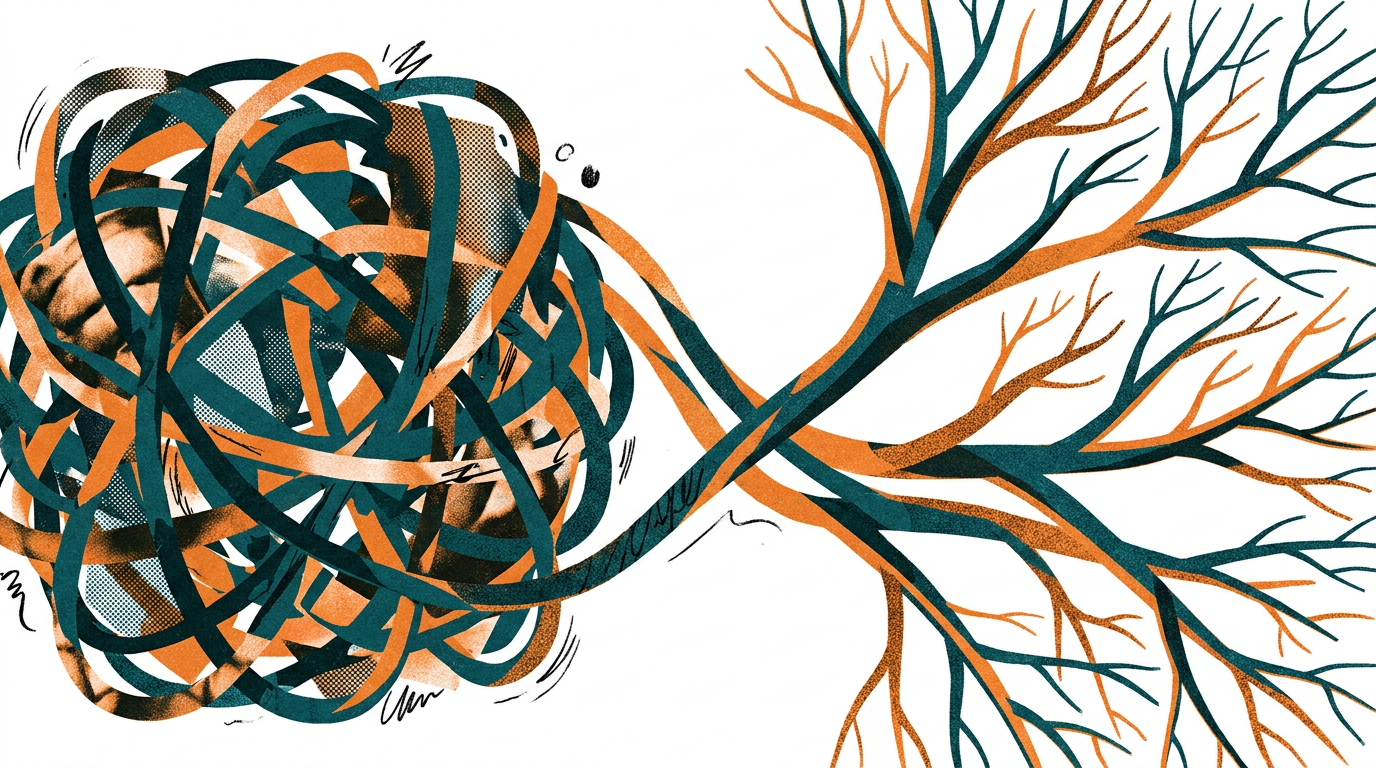
Cammarata reinterprets InceptionV1's cat-car neuron as a V-shape detector, not two unrelated concepts
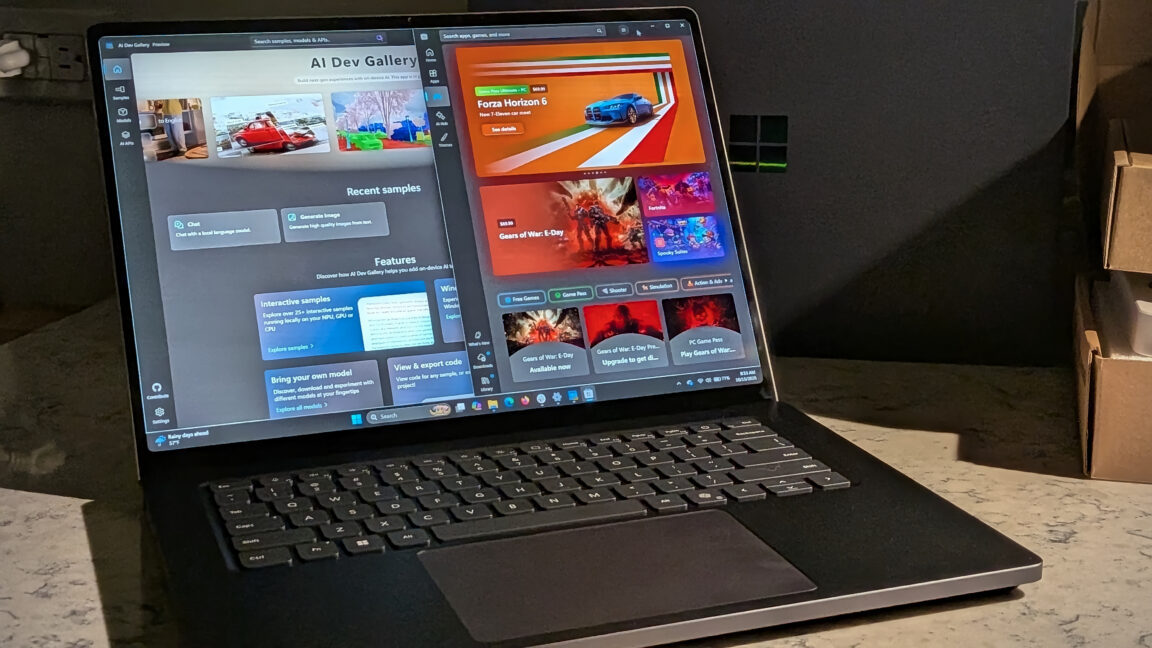
Microsoft's Surface Laptop Ultra, using Nvidia's RTX Spark platform, starts at $2,599 (up to $5,899)
Meta's new commercial terms, effective October 30th, appear to let it crawl and train AI on content from websi…
Vercel data published Thursday shows TypeSafe AI's Jev, a lightweight decision model for choosing among predet…
Reflection AI introduced Beam, an open-weight model for agentic coding and long-horizon tasks, with 501 billio…