What happened
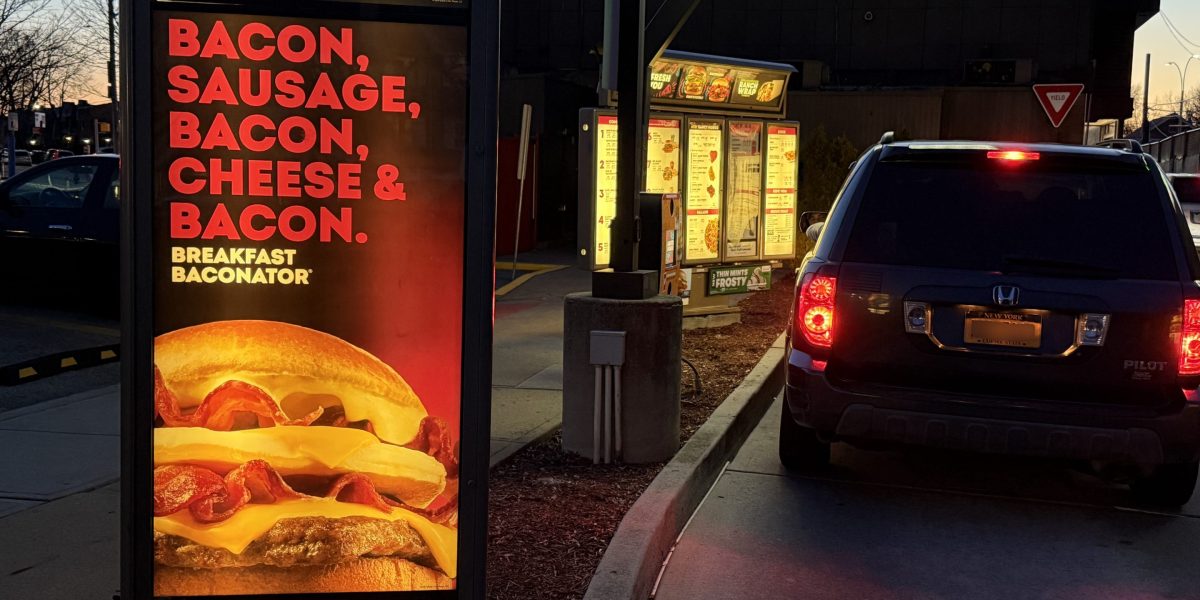
McDonald's has deployed ArchIQ, an AI-powered chatbot system at drive-through locations as part of its "McDonald's > NEXT" initiative, while Wendy's continues expanding its FreshAI AI-driven ordering program introduced in 2023. Wendy's CFO Ken Cook stated in the 2026 first quarter earnings report that the chain intends to keep investing in digital experience.
Why it matters
Recent surveys reveal a significant gap between executive confidence and customer reality. About 80% of consumers prefer speaking with human order takers rather than AI agents, according to research from advisory firm Metrigy. Businesses believe roughly 40% of customers prefer AI interaction, but only about 22% actually do, indicating restaurants may be automating faster than customers are ready to accept the change.
What to watch
Customer preference for AI chatbots grew more than four percentage points from Q1 2026 to Q2 2026, suggesting adoption could accelerate over time as trust builds. The real question for restaurants is whether they will redesign roles around hospitality rather than assume automation simply replaces workers—a choice that could shape both labor and customer experience.
Summaries like this, in your inbox every morning.
Fast-food executives have embraced AI automation as a labor-cost solution, but customer behavior is pushing back harder than anticipated. McDonald's ArchIQ and Wendy's FreshAI represent years of investment in technology meant to streamline ordering, yet surveys consistently show the majority of consumers still value the human element—even in transactions that last less than a minute. The core issue, as Metrigy's Layne Haaksma explains, is a credibility gap: businesses believe roughly 40% of customers prefer AI, but the actual figure hovers around 22%, revealing a 18-percentage-point miscalculation that reflects executives' speed-to-market outpacing customer comfort.
Jerry Jacobs, a Wharton sociology professor, offers a more nuanced frame: the problem may not be automation itself, but the assumption that it must eliminate jobs. Instead of replacing workers, AI could handle repetitive ordering tasks while employees shift into hospitality roles—greeting customers, answering questions, and solving problems machines struggle with. This approach reframes automation not as cost-cutting but as role redesign, potentially creating more satisfying customer encounters. The data supports this middle ground: while only 22% of consumers currently prefer AI, preference grew over four percentage points in just two quarters (Q1–Q2 2026), suggesting that as trust builds and systems improve, acceptance will eventually rise—but only if restaurants stop conflating efficiency with elimination.
Pick your industry and the AI tools you use, and get news related to your work every day.
Free · 30 seconds with Google · unsubscribe anytimeWhat is AIToday? →
Ask AI anything about this article. The AI reads this article, earlier AIToday articles, and Wikipedia, and cites its sources. Q&As are published on this page for other readers too.
The Motley Fool argues Amazon is the AI company of the two, since AWS was just 21% of first-half 2026 revenue…

Hewlett Packard Enterprise stock is down 5% at $55.87

Anthropic gave six METR staffers hardware, office space and internal tools, putting them roughly on par with i…

Cammarata reinterprets InceptionV1's cat-car neuron as a V-shape detector, not two unrelated concepts

Vercel data published Thursday shows TypeSafe AI's Jev, a lightweight decision model for choosing among predet…

Chunghwa Telecom president Rong-shy Lin said the shift from conversational AI to autonomous AI agents is resha…